Education Programs: Girls Break the Cycle of Poverty
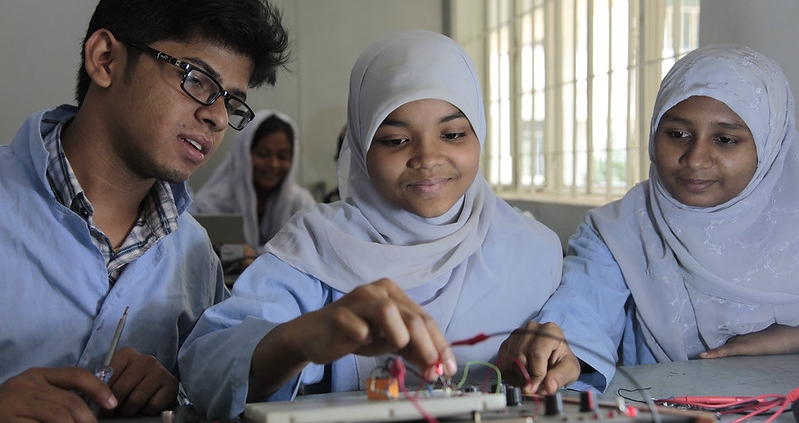 In Cox’s Bazar, Bangladesh, a Rohingya mother made a difficult decision after schools in her refugee camp closed due to funding cuts. Without access to education, she feared for her daughter’s future and arranged her marriage at the age of 16. Her experience reflects a growing pattern in the camps, where the loss of schooling has contributed to rising child marriage among girls. This growing crisis highlights how education helps girls break the cycle of poverty and build more stable futures.
Across many developing nations, girls continue to face barriers that prevent them from attending school or completing their education. Poverty, early marriage and gender discrimination often lead families to withdraw girls from school at an early age. Education programs that support girls aim to remove these barriers and expand access to learning.
Background
Millions of girls worldwide remain out of school. UNICEF reports that approximately 119 million girls are currently out of school, particularly in regions affected by poverty, conflict and social inequality. Limited access to education can reduce economic opportunities and reinforce cycles of poverty.
Education initiatives increasingly focus on practical solutions such as financial incentives, mentorship and improved school environments. By helping girls remain in school longer, these programs aim to strengthen economic opportunities and long-term development in their communities.
Bangladesh: Long-Term Impact of Education Incentives
Bangladesh provides one of the most widely studied examples of how financial incentives can expand girls’ access to education. The Female Secondary School Stipend Program provided financial support to rural families whose daughters remained enrolled in school and delayed early marriage. Researchers found that the program significantly increased girls’ enrollment in secondary education.
Researchers continue to examine the program’s long-term impact. A 2025 study found that women who benefited from the stipend program were more likely to invest in their children’s health and education. These outcomes show how access to education can help break the cycle of poverty across generations.
Tanzania: Mentorship Programs Supporting Girls’ Futures
Mentorship programs also help girls remain in school and develop confidence. In Tanzania, the Girls Livelihood and Mentorship Initiative supports girls during the transition from primary to secondary education. The program provides mentorship, life skills training, and academic support to help girls continue their studies.
Mentorship initiatives connect girls with role models who demonstrate the long-term value of education. Programs that involve families and communities can encourage girls to remain in school and pursue leadership and career opportunities.
Addressing Health and Safety Barriers
Across the world, education programs focus on practical barriers that prevent girls from attending school. Many initiatives work to improve sanitation facilities, promote menstrual health education and strengthen school safety so girls can attend classes consistently.
Organizations are also working to support programs that address gender-based violence and school safety. Improving school environments and access to health resources can reduce absenteeism and help girls continue their education.
Education remains one of the most effective strategies for reducing global poverty. Educated girls could be more likely to participate in the workforce, delay early marriage and invest in their children’s health and education. These outcomes contribute to stronger economic growth and improved well-being for families.
Examples from Bangladesh and Tanzania demonstrate how targeted programs and policy initiatives can expand educational opportunities for girls. Continued investment in education can help more girls break the cycle of poverty and create long-term change.
– Isil Ertas Senturk
Isil is based in Oakville, Ontario, Canada and focuses on Good News for The Borgen Project.
Photo: Flickr
