Addressing the Problem of HIV in the Philippines
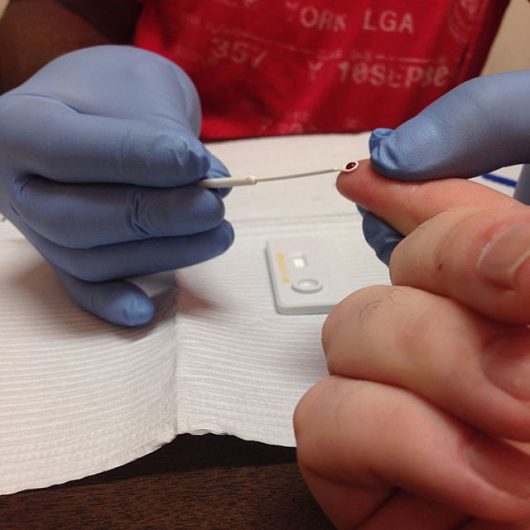 Consisting of more than 7,000 islands, Philippines is a sovereign nation in Southeast Asia that lies near the equator. Over the past six years, HIV in the Philippines has seen a 140 percent increase and is now the highest in the Asia-Pacific region.
The human immunodeficiency virus (HIV) attacks an infected individual’s immune system by destroying white blood cells called T-helper cells. Without treatment, the virus would multiply and continue to eliminate white blood cells, which are key to our immune system, until the person will struggle to fight off even the most minor illnesses.
While there are many misconceptions about the spread of HIV, it cannot be transmitted through sweat, saliva or urine. Condoms during sex are one of the most effective ways of preventing the transmission of the virus. If HIV is discovered early, it can be maintained with treatment, allowing the infected individual to live a long, healthy life. The treatment is a strict regimen of antiretroviral drugs that effectively prevent the virus from replicating within the body.
According to the Philippines health minister, in 2010, there were 4,300 Filipinos living with HIV, but this number grew rapidly to a startling 10,500 by the end of 2016. This upward trend appears to be continuing, as there were 1,098 new infections in just May 2017. Despite this sharp increase in HIV in the Philippines, the rest of the Asia-Pacific region has been experiencing an overall downward trend as people become more educated about how to prevent the transmission of the virus as well as to the dangers it presents.
Eighty-three percent of cases of HIV in the Philippines have been in gay men and transgender women. Additionally, the lack of access to information about HIV has been a substantial problem in the country. Two out of every three infections were in males between 15 to 24 who did not have adequate awareness about the dangers and pathways of transmission of the virus. In fact, many gay men, a group in particular risk of contracting HIV, only get tested eight years after their first sexual encounter.
The Philippines government has been slow in its policy actions. There has been a significant delay in the implementation of HIV prevention education in schools and harm reduction programs in high-risk communities. Furthermore, one of the most difficult yet undoubtedly important tasks is working to remove the stigma against HIV as it forces thousands to avoid treatment in fear of becoming a social outcast.
However, there have been some measures that have been taken. The Philippines secretary of health Paulyn Jean Rosell-Ubial has designated the battle against HIV/AIDS to be one of the country’s most important health concerns and has dedicated more resources to spreading awareness about the virus as well as guaranteeing access to antiretroviral drugs to anyone who tests positive for HIV.
A promising bill named the Philippines HIV and AIDS Policy Act has been approved by the House of Representatives to increase efforts to fight against the HIV/AIDS epidemic. Some of the actions sponsored by the bill include prohibiting discrimination against people living with HIV in the Philippines and stopping the spread of false information about the virus and its dangers. There have been severe fines and penalties written into the bill that should help curb some of the actions that lead to the spread of HIV. For example, the punishment for having sex with another person while knowingly being infected with the virus is imprisonment for six to 12 years.
The Philippines‘ severe increase in the HIV infection rate is absolutely one that can be rectified with proper, effective plans of action, but the country needs to move quickly before the issue worsens.
– Akhil Reddy
Photo: Google
