Improving Health care Access in Rural Mali Via Mobile Clinics
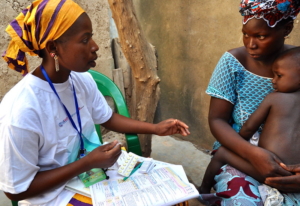
In a major stride towards improving health care access and combating poverty in rural Mali, a groundbreaking initiative featuring mobile clinics and telemedicine has taken center stage. Rural Mali has long faced the challenges of limited health care infrastructure, scarcity of medical professionals and inadequate resources. For years, these barriers have hindered communities from receiving timely medical attention, leading to preventable illnesses, lost productivity and a cycle of poverty that has been difficult to break.
Mobile Clinics Reach Remote Villages
Mobile clinics have done miracles for health care access in rural Mali. In the regions of Gao and Mopti, where access to medical facilities was limited, Première Urgence Internationale, a local NGO partnered with the Malian government to deploy mobile clinics. These clinics, staffed with medical professionals, traversed difficult terrains to reach isolated villages that were previously cut off from health care services.
The impact was evident as villagers received critical medical attention for conditions like malaria and respiratory infections. In addition to treating acute illnesses, the clinics focused on preventive measures, such as vaccinations and health education. This approach led to a decrease in preventable diseases, resulting in a healthier and more productive population.
Furthermore, mobile clinics’ regular visits ensured better nutrition and early detection of health issues among children. This in turn leads to better school attendance rates which allows parents to devote more time to economic activities, breaking the cycle of poverty.
Telemedicine Bridges the Gap
Telemedicine has played a pivotal role in providing specialized care to remote regions, reducing the burden on urban health care centers and providing essential health care access in rural Mali. In Kayes, a city with limited medical facilities, a telemedicine network was established to connect local clinics with medical experts in the capital city of Bamako.
Expectant mothers in Kayes, who previously had to travel long distances for prenatal care, could now receive remote consultations with obstetricians. Complications during pregnancy were swiftly identified and early interventions saved lives.
Moreover, telemedicine enabled the management of chronic diseases like diabetes and hypertension. UNDP-led project SanDi has helped patients with virtual check-ups in regions like Sikasso which has its challenges accessing regular health care. Improved disease management means fewer medical emergencies and reduced health care expenses, freeing up resources for other essential needs.
The Nexus Between Improved Health Care and Poverty Alleviation
The marriage of mobile clinics and telemedicine is proving to be a powerful tool in the fight against poverty. Here is how this solution-oriented approach is making a tangible difference:
- A Healthier Workforce: By receiving timely medical attention, villagers can stay healthy and productive. A healthier workforce translates into increased productivity, higher income levels and a reduced reliance on government aid.
- Reduced Medical Expenses: Access to free or affordable health care in rural areas helps families save on medical expenses. Reduced health care costs mean more money can be channeled toward education, nutrition and other basic needs.
- Improved Maternal and Child Health: Mobile clinics and telemedicine have significantly improved maternal and child health outcomes. Timely prenatal care and medical support during childbirth have reduced infant mortality rates, ensuring a brighter future for the next generation.
- Enhanced Economic Opportunities: As health care improves, communities become more attractive to businesses and investments. Improved health infrastructure can pave the way for economic development, leading to more job opportunities and higher standards of living.
- Empowering Women: With better health care access, women in rural areas can actively participate in the workforce, gain financial independence and contribute to their families’ well-being.
Looking Forward
The success of improving health care access in rural Mali through mobile clinics and telemedicine is a testament to the power of innovation and collective action. With continued support from governments, non-governmental organizations and global partners, this initiative can be scaled up to bring lasting change and create a healthier, more prosperous future for all Malians.
– Valentin Lyazov
Photo: Flickr
