Local Leadership in Humanitarian Aid
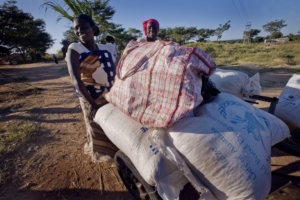
In recent years, global humanitarian aid has undergone significant shifts. Nationalist policies in major donor countries, including the U.S. and parts of Europe, have redirected focus toward domestic concerns, reducing foreign aid contributions. With less outside help, many countries turn to homegrown solutions to tackle poverty, health crises and displacement. Communities often understand local needs better than distant agencies, making their leadership necessary and effective.
Without adequate resources, dwindling international support has left many populations facing hunger, disease and conflict. Yet this challenge has also led to a new focus: local leadership in humanitarian aid. Across Africa, Asia and Latin America, governments, community organizations and Indigenous leaders are assuming greater roles in planning and delivery.
The Changing Landscape of International Aid
Historically, humanitarian aid relied on cooperation among donor nations and nongovernmental organizations (NGOs). Today, eligibility has become increasingly politicized, often tied to the foreign policy goals of donor nations. This shift creates uncertainty for countries struggling with poverty and displacement, underscoring the need for community-driven solutions that address priorities global agencies may overlook.
Local initiatives bring clear advantages. They leverage cultural knowledge, build trust and respond faster than large institutions. Grassroots groups, women’s collectives and youth organizations lead health, education and economic resilience projects. That way, solutions fit the communities they’re meant for and can still hold up when circumstances change.
Africa
In Nigeria, the Federal Ministry of Humanitarian Affairs and the U.N. now prioritize locally led responses, channeling resources directly to community organizations. This has improved access to aid and strengthened resilience.
In Kenya, handing more responsibility to counties has improved refugee support and crisis response. While the plan has seen successes, it has also faced opposition from some communities, showing that local leadership must balance innovation with inclusive consultation.
Asia
In Bangladesh, women’s collectives and microfinance programs have strengthened rural economies. These projects increase women’s participation in household decisions and provide financial stability. With training added in, microfinance has made a real difference in family resilience. The Consultative Group to Assist the Poorest’s (CGAP) recent analysis underscores that financial inclusion promotes empowerment only when paired with training and support to change outcomes.
Latin America
In Peru, Indigenous farmers lead projects that blend traditional farming with agroecology. Women farmers play a central role, ensuring food security initiatives draw on cultural knowledge and adapt quickly to local needs. These approaches combat hunger and address climate instability, demonstrating how traditional knowledge and innovation can work in tandem.
Advantages and Challenges
Locally led humanitarian responses are marked by agility, accountability and cultural relevance. These efforts earn public trust and often achieve lasting impact. However, local organizations still face barriers, including limited funding, a lack of technical expertise and difficulty gaining international recognition. Overcoming these hurdles takes partnerships that invest in training and flexible funding.
International donors can strengthen humanitarian outcomes by partnering directly with local organizations, supporting training and expanding flexible funding models. Empowering local communities not only improves effectiveness but also fosters global solidarity. As donor nations reassess development priorities, investing in locally led solutions is essential for sustainable progress.
Conclusion
Nationalist policies have reshaped the aid landscape, but local leadership in humanitarian aid across Africa, Asia and Latin America is leading innovation from the ground up. Supporting local leadership, through partnerships, funding and training, could offer the most sustainable path forward.
When local voices lead, aid becomes more resilient and rooted in real communities. Donors and governments that commit to this shift could improve immediate responses and build stronger foundations for future development.
– Jacob Stubbs
Jacob is based in Indianapolis, IN, USA and focuses on Good News for The Borgen Project.
Photo: Wikimedia Commons
