Foreign Aid as a Counterterrorism Strategy
 The September 11 terrorist attack resulted in the construction of development response, the act of aiding and developing an impoverished area. The goal of this strategy is to help combat terrorism. Impoverished areas produce a vulnerable environment ideal for extremist group recruitment. The presence of foreign aid in poverty-filled areas reduces the susceptibility of men and women reaching out to extremist groups for a sense of stability.
Social marginalization and poorly governed areas increase the appeal of an extremist group. Social marginalization, the feeling of being oppressed or excluded from society, creates a need for acceptance. The absence of security may lead to residents looking for an opportunity to escape oppression or economic despair. These conditions produce breeding grounds for the recruitment of terrorists. Extremist groups symbolize a promise of social status, respect, necessary services and a sense of belonging.
Yemen and Somalia are prime examples of terrorist breeding grounds. In Yemen, about 35 percent of the population is undernourished and 55 percent lack food security due to soaring food prices. Merely 2 percent of Yemen’s gross domestic product is spent on healthcare. Unemployment has increased to 35 percent and the Sunni-Shia civil clash has heightened the terrorist capacity.
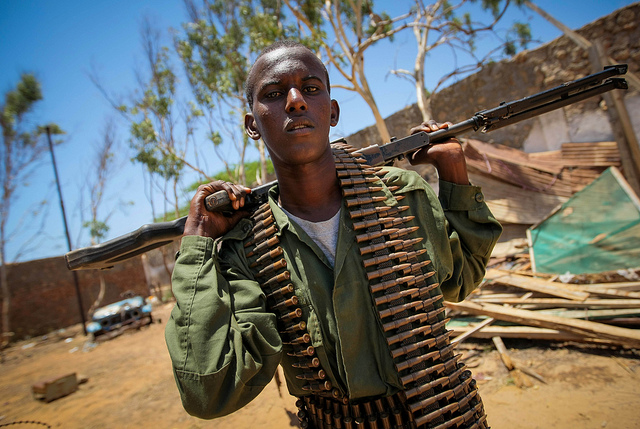
Somalia, similarly to Yemen, is lacking a central government. The war zone environment has provided a safety net for those hiding from the law, giving terrorists the ability to move freely. About 73 percent of the population lives on about $2 a day. The promise of profit from extremist groups feeds the embrace of terrorist membership. Recruiters use the incentives of food, profit and even a sign-up bonus to gain members.
These nations portray the hardships developing nations face when countering extremism. They are not equipped to stop the targeting of terrorist groups. Economic security and efforts to decrease marginalization would provide a preventive measure for global threats.
In the “Assisting International Partners to Counter Violent Extremism” report, the U.S. Department of State and USAID outline objectives for counterterrorism. These objectives include engaging in partnerships, encouraging policy and employing foreign assistance tools. The recognition that youths are more inclined to embrace extremism led to the production of institutions focusing on employing youths and preventing them from joining extremist groups.
The report details that foreign aid would be spent on building institutions and strengthening impoverished nations’ international partnership. The strategic vision behind foreign aid proves that aid is more than a loan to combat poverty. The objectives can be viewed as a tactic within the grand strategy of foreign aid.
Foreign aid provides a weapon to combat counterterrorism. This strategy provides a cheaper long-term tactic that targets one of the causes for breeding ground conditions. It serves as a preventive measure and a source of international security.
The potential foreign aid budget cuts could put American national security in jeopardy. Foreign aid serves as an investment to prevent vulnerable conditions for terrorist recruitment as well as managing the likelihood of a global threat. Developmental aid is not only a valuable tool to counter poverty, but is an effective counterterrorism strategy.
– Shauna Triplett
Photo: Flickr
