Collapsed Food Systems in Sudan: How 80 Cents Can Help
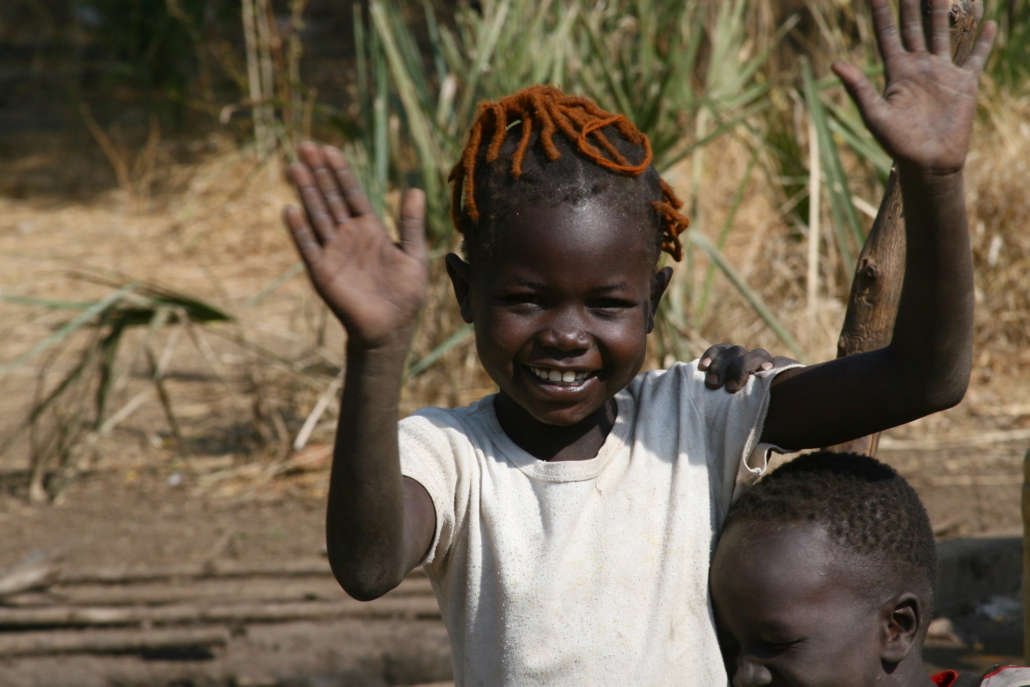 As Sudan’s civil conflict enters its third year, health conditions have sharply deteriorated as the collapse of the food systems in Sudan has overwhelmed them. The country is currently facing the world’s largest hunger crisis, with 24.6 million individuals experiencing food insecurity. The civil war has devastated the Sudanese economy, agricultural livelihoods and food markets, particularly in North Darfur and the Western Nuba Mountains. The level of internally displaced people, an estimated 9 million people, fleeing an extreme threat to life, has further exacerbated the famine.
Inside the Crumbling Food Systems in Sudan
The food systems in Sudan heavily rely on local agricultural production, with two-thirds of the population relying on self-sufficient farming. Destruction of agricultural infrastructure and the forced displacement of individuals have halted the population’s ability to plant and harvest, often fleeing to food deserts to escape the violence of civil war. In 2024, reports indicated that many farmers were consuming the grain they would typically use to sow their land to alleviate starvation. The stark economic decline and government-enforced trade restrictions with neighboring countries have further increased food scarcity, driving up the price of food and limiting access.
More than 8.1 million Sudanese are currently facing emergency levels of famine on the Integrated Food Security Phase Classifications (IPC), meaning households are experiencing large food consumption gaps reflected in higher mortality and acute malnutrition. Cholera cases have also skyrocketed due to a lack of access to clean, safe drinking water. Officials have recorded an estimated 32,000 cases of the illness since the beginning of the year. UNICEF has determined these findings alarming as they come during harvest season, when malnutrition is traditionally at its lowest. Children are the most at risk of health complications from acute malnutrition and cholera, as many have lost their parents or guardians. IPC has warned that authorities must take action now, as observers expect the crisis to deteriorate further due to the rainy season from July to September, which causes hindrances to travel.
Dangerous Humanitarian Conditions
Since the beginning of the conflict, man-made blockades, logistical challenges, lack of security in high-conflict areas and restricted access have disrupted vital humanitarian access. The Food and Agriculture Organization (FAO), the World Food Program (WFP) and the United Nations Children’s Fund (UNICEF) urge a ceasefire in the region and urge world leaders to scale up their spending on humanitarian operations. The cease-fire would allow humanitarian workers to safely reach the five regions currently experiencing famine, and hopefully deter this with an impending threat of spreading to an additional 17 regions in Sudan. The WFP is currently supporting more than 6.5 million Sudanese suffering from food insecurity; however, its operations require an estimated $642 USD to continue until November 2025.
ShareTheMeal, A Smartphone App Fighting Hunger
In 2015, WFP staffers Sebastian Stricker and Bernhard Kowatsch founded ShareTheMeal to make fighting hunger accessible to everyone. The application enables users to crowdfund as little as a donation of $0.80 USD to share a meal, made in their respective currencies and languages, to support WFP’s various humanitarian aid operations. In 2020, ShareTheMeal gained global recognition when it won Google’s App for Good award and Apple’s Making a Difference category. Currently, people have shared more than 250 million meals and contributed to 126 WFP operations. The UN’s micro-donation app is presently spearheading a Sudan initiative to help families fleeing the conflict. Since the conflict escalation in 2023, donations have already reached 98% of the 5 million meals shared goal. These meals are nutritionally focused, featuring rice, flour, vegetable oil, lentils, beans and salt.
Looking Ahead
Despite recent improvements in Sudan, the escalation of violence, the rainy season and the pullback on foreign aid, due to other crises like the famine in Palestine, have created harsher conditions in the third year of this civil war. Humanitarian organizations urge that the quiet famine will continue without the bolstering and continual funding of aid programs, which aim not only to reverse the widespread malnutrition but also to rebuild the inner food systems in Sudan, creating sustainable change.
– Elsa van Blokland
Elsa is based in Quebec, Canada and focuses on Global Health and Politics for The Borgen Project.
Photo: Flickr
