• Link to X
  • Link to Facebook
  • Link to Instagram
  • Link to TikTok
  • Link to Youtube
  • About
    • About Us
      • President
      • Board of Directors
      • Board of Advisors
      • Financials
      • Our Methodology
      • Success Tracker
      • Contact
  • Act Now
    • 30 Ways to Help
      • Email Congress
      • Call Congress
      • Volunteer
      • Courses & Certificates
      • Be a Donor
    • Internships
      • In-Office Internships
      • Remote Internships
    • Legislation
      • Politics 101
  • The Blog
  • The Podcast
  • Magazine
  • Donate
  • Click to open the search input field Click to open the search input field Search
  • Menu Menu
Blog - Latest News
Global Poverty, Politics

Facts and Figures of North Korea
Facts and Figures of North Korea

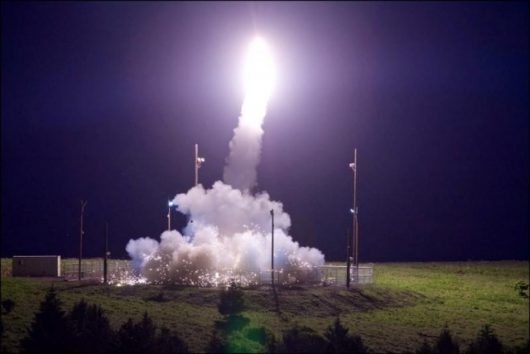
Hidden behind the tensions of military bluster between the U.S. and North Korea lies a sad and often overlooked reality: North Korea is an incredibly impoverished country.

The conflict on the Korean peninsula can be traced back to when Japan controlled Korea till 1910. After the Japanese lost in World War II, the peninsula was divided between a communist northern half and a democratic southern half.

Tensions between the north and south erupted into war in 1950. The U.S. led a United Nations coalition to support the south; China was the principal ally of the north. The war ended in a stalemate with the current division becoming a demilitarized zone. North Korea has languished since, relying heavily on outside aid.

Most of the developed world stopped sending monetary aid to North Korea in 2009. South Korea ended aid in 2010 due to conflicts with the incoming government of Kim Jong Un.

Much of North Korea’s poverty problem stems from government spending, or the lack thereof. Most of the country’s budget is allocated to military and defense spending. This means that most of North Korea’s budget is not invested in its people.

This lack of aid has impacted North Korea’s investment in education, health services and infrastructure.

The average education level for a North Korean is only 11 years. The average annual income is only $1300. These disparities stem from the government’s sole interest in military spending, and its lack of interest in its people. These facts and figures of North Korea illustrate that the impoverished Asian nations strongly needs foreign aid, as well as restructuring its own budget, to combat its extreme poverty.

In the interest of its citizens, North Korea could decrease spending on its military and defense program. This could increase international confidence in the country’s financial and political system, therefore increasing foreign aid that could be used for basic services for its populace.

Until the North Korean government focuses on its people instead of its military, and makes serious efforts to combat these disastrous poverty-related facts and figures of North Korea, it will continue to be an impoverished nation.

– Raymond Terry

Photo: Google

August 13, 2017
Share this entry
  • Share on Facebook
  • Share on X
  • Share on WhatsApp
  • Share on Pinterest
  • Share on LinkedIn
  • Share on Tumblr
  • Share on Vk
  • Share on Reddit
  • Share by Mail
https://borgenproject.org/wp-content/uploads/borgen-project-logo.svg 0 0 Borgen Project https://borgenproject.org/wp-content/uploads/borgen-project-logo.svg Borgen Project2017-08-13 07:30:282024-05-27 23:53:56Facts and Figures of North Korea

Get Smarter

  • Global Poverty 101
  • Global Poverty… The Good News
  • Global Poverty & U.S. Jobs
  • Global Poverty and National Security
  • Innovative Solutions to Poverty
  • Global Poverty & Aid FAQ’s
Search Search

Take Action

  • Call Congress
  • Email Congress
  • Donate
  • 30 Ways to Help
  • Volunteer Ops
  • Internships
  • Courses & Certificates
  • The Podcast
Borgen Project

“The Borgen Project is an incredible nonprofit organization that is addressing poverty and hunger and working towards ending them.”

-The Huffington Post

Inside The Borgen Project

  • Contact
  • About
  • Financials
  • President
  • Board of Directors
  • Board of Advisors

International Links

  • UK Email Parliament
  • UK Donate
  • Canada Email Parliament

Get Smarter

  • Global Poverty 101
  • Global Poverty… The Good News
  • Global Poverty & U.S. Jobs
  • Global Poverty and National Security
  • Innovative Solutions to Poverty
  • Global Poverty & Aid FAQ’s

Ways to Help

  • Call Congress
  • Email Congress
  • Donate
  • 30 Ways to Help
  • Volunteer Ops
  • Internships
  • Courses & Certificates
  • The Podcast
Link to: The Cost of Living in Angola: Most Expensive Capital City Link to: The Cost of Living in Angola: Most Expensive Capital City The Cost of Living in Angola: Most Expensive Capital City Link to: Why Is El Salvador Poor? Link to: Why Is El Salvador Poor? Why Is El Salvador Poor?
Scroll to top Scroll to top Scroll to top