Child Soldiers in the Democratic Republic of the Congo
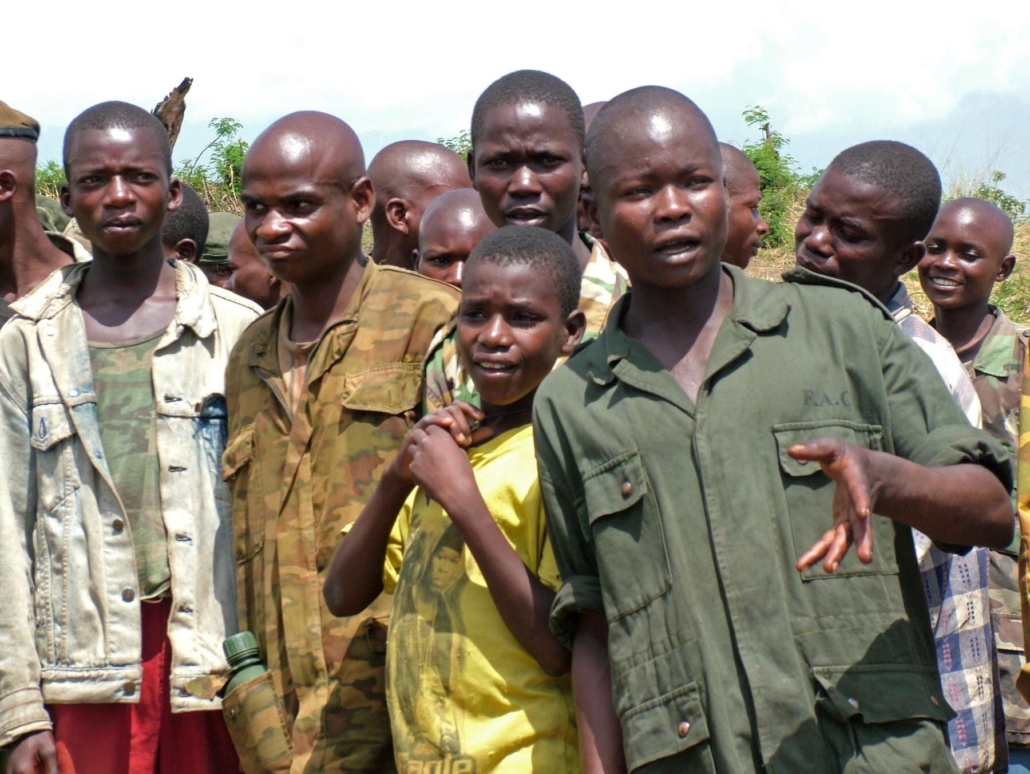 The issue of child soldiers in the Democratic Republic of the Congo (DRC) has direct ties to violence, poverty and exploitation, as armed conflict continues to destabilize communities across the country. Widespread poverty and prolonged war push children into militarized groups, where they face abuse, coercion and life-threatening conditions. The recruitment of child soldiers in the Democratic Republic of the Congo highlights the devastating human cost of conflict and the urgent need for international attention and intervention.
Military Presence in the Democratic Republic of the Congo
Armed groups operate throughout eastern regions of the Democratic Republic of the Congo, particularly in North and South Kivu. One of the most prominent groups, the March 23 Movement (M23), has maintained a strong presence in these areas for years. The group challenges the Congolese government over security and political control and seeks to expand its territorial influence.
According to the Armed Conflict Location & Event Data Project (ACLED), M23 has capitalized on regional instability to strengthen its military capabilities and territorial control.
In January 2025, M23 captured the city of Goma, the capital of North Kivu. The group also seized control of coltan-rich regions, a resource critical to global electronics manufacturing. Access to these minerals provides M23 with a steady source of revenue, increasing its military power and influence. As fighting intensified, violence displaced approximately 350,000 people, according to the United Nations refugee agency. This mass displacement further deepened poverty and exposed children to exploitation and forced recruitment.
War and Poverty
The Democratic Republic of the Congo ranks among the poorest countries in the world. As of recent estimates, more than 77% of the population lives on less than $1.90 per day. Chronic poverty severely affects children, with 46% suffering from stunted growth due to malnutrition. Armed conflict exacerbates these conditions by destroying livelihoods, separating families and forcing communities to flee their homes.
Displaced children often become “street children,” lacking protection, education and access to basic necessities. These children face extreme vulnerability and frequently experience exploitation through hazardous labor, abuse and military recruitment. Poverty strips children of alternatives, leaving armed groups free to manipulate and coerce them into violence.
Child Soldiers
Armed groups actively recruit and abduct children from the streets and displacement camps. M23 and other militias forcibly recruit children as young as eight years old and transport them to training camps. In one M23 camp, children made up at least 20% of the 1,000 trainees. Militias target children because they lack power, protection and agency.
In the Democratic Republic of the Congo, child soldiers are often referred to as “kadogos,” meaning “little ones” in Swahili. Armed groups force these children into dangerous roles as fighters, porters and lookouts. Militias frequently use child soldiers as cannon fodder, assigning them the riskiest tasks due to their perceived expendability. Girls face additional risks, including sexual violence and exploitation, both within armed groups and while living on the streets.
A former child soldier named Constance, living in a displacement camp near Goma in late 2024, told The Guardian, “I went to war… it was a nightmare.” Poverty pushed her to join a militia opposing M23, where she carried rocket-propelled grenades into combat. Her experience reflects a broader pattern, as UNICEF estimates that children make up approximately 30% of armed group members in the Democratic Republic of the Congo.
Reintegration and Support Efforts
Despite the scale of the crisis, organizations continue to support former child soldiers and displaced children. War Child began operating in the Democratic Republic of the Congo in 2004, focusing on education, child protection and psychosocial support. The organization works to reintegrate former child soldiers into their communities by providing trauma-informed mental health care, access to education and family reunification services.
In eastern DRC, War Child has provided more than 14,900 children with education and protective services and delivered psychosocial support to more than 17,000 displaced children affected by conflict. These programs help children rebuild their lives and reduce the risk of re-recruitment into armed groups.
Conclusion
The persistence of child soldiers in the Democratic Republic of the Congo demonstrates how violence, poverty and exploitation intersect during prolonged conflict. Armed groups continue to prey on vulnerable children, using war and economic desperation to sustain their ranks. While humanitarian organizations like War Child offer pathways toward recovery and reintegration, lasting solutions require sustained international engagement, poverty reduction and protection for children caught in conflict. Addressing the root causes of recruitment remains essential to ending the cycle of exploitation and violence.
– Alice Morris
Alice is based in Bristol, UK and focuses on Global Health and Politics for The Borgen Project.
Photo: Wikimedia Commons
