Bathrooms and Girls’ Education in Africa
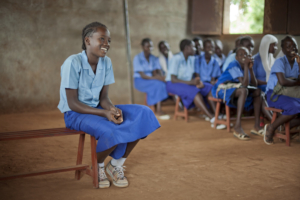 In the developed world, private bathroom stalls and toilets are largely taken for granted, especially within schools. The issues of period poverty and girls’ education in Africa do not seem like topics that would be intertwined. However, they are in fact completely dependent on one another. Most period poverty efforts focus on access to sanitary products. While this is an incredibly important component, bathrooms within schools are just as important. Without a safe space to change them, the work of providing reusable sanitary napkins cannot work. These two factors have to work together. Here are facts to know about the connection between bathrooms and girls’ education in Africa.
What is Social Infrastructure and Why Is It Important?
Social infrastructure refers to facilities that include education, health and youth services that promote a high quality lifestyle. It is created with the public good in mind, and the intent to provide better outcomes for peoples’ livelihoods. It impacts the connection between bathrooms and girls’ education in Africa directly. Buildings with a socially-minded design make children, and especially girls, feel safe, included and acknowledged. It will keep them coming back to those places.
Research explains the positive impact of infrastructure on communities in Africa to the intersectional issue of girls’ education. It shows how infrastructure is more than just buildings and highways. Creating a physical space where girls feel safe is crucial to their personal and educational development. Focusing on infrastructure has been proven to create a more equitable society, especially within rural communities. This is due to the lack of accessibility to resources that are more likely present within urban areas.
The Link Between Menstrual Stigma and Girls’ Education
Girls’ education in Africa faces many obstacles. This is largely due to gender stereotypes that are at the root of unsafe learning environments. Twenty-three percent of girls of primary school age are not in school, and that number jumps to 36% as they get older and enter secondary school. Menstruation is a factor in the connection between bathrooms and girls’ education in Africa. When girls begin to menstruate, they are faced with many barriers. These may include temporary social ostracization, missed school days and sexual violence by peers.
One in ten girls misses 20% of school days because they cannot attend during their menstrual cycle. This largely due to the fact that – if they have access to sanitary products – they do not have a place to change them once at school. This discourages many girls from attending in the first place, and too many missed days ultimately leads to higher drop out rates because they cannot end up falling behind.
Why Toilets?
Only 57% of primary schools within the world’s least developed countries have single-sex bathrooms. The good news is that countries such as Djibouti, Gambia, Ghana, Morocco and Mozambique have single-sex bathrooms in 80% of their primary schools. However, the work is far from complete given that some countries such as Eritrea only have these facilities in 27% of schools, and the lowest being only 9% in Senegal.
The majority of sexual assault and rape incidents happen in school bathrooms because there is only one facility for all students with very little to no privacy. So along with embarrassment regarding using the restroom and changing their sanitary pads in front of male students, they feel incredibly unsafe walking into the bathroom. When girls do not have to worry about their hygiene and safety at school, they will be more likely to continue attending. Creating a safe environment is key to ensuring girls attend and stay in school. This can help break the cycle of gender disparity in education.
Organizations Doing the Work
The state of girls’ education in Africa is being greatly improved by organizations that are funding initiatives and creating them. Taking notice of the connection between bathrooms and girls’ education in Africa can greatly aid these girls’ futures. The Global Partnership for Education partners with national governments to create “girl-friendly” sanitation facilities in order to improve girls’ education in Africa. Its grants to countries like Guinea and Cameroon enabled the building of separate bathrooms and water stations within schools.
Programs like FRESH and WaterAid are coming together to ensure the creation of safe and healthy physical spaces for girls to learn. They are developing infrastructure plans that follow UNICEF and WHO guidelines. WaterAid established a list of components that should be a part of girl-friendly infrastructure. These include single-sex bathrooms with locks and privacy walls and any mechanism that can work as a disposal place for sanitary products. The availability of clean water within the bathroom is included in order to clean reusable sanitary napkins. It also includes a mirror (even if it is broken) so girls are able to check for any spots or stains before returning to the classroom.
Why Should We Care?
The connection between bathrooms and girls’ education in Africa is a topic that deserves abundant attention. Everyone benefits from educated girls. When half of the world’s population is being excluded from equal educational opportunities it creates a greater human capital issue. The skills and talents of these girls might never be seen simply because they are unable to gain any upward mobility due to a lack of education. So on the next World Toilet Day, November 19, remember how something as simple as a private bathroom stall can make a huge difference in the life of a young, African girl.
– Stephanie Russo
Photo: Flickr
