IRFF UK: Combating Period Poverty in Africa
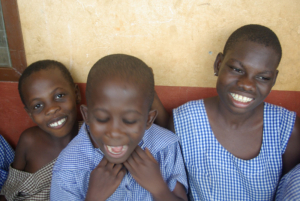 Period poverty is a global issue affecting an estimated 500 million people worldwide. It is defined as when girls and women do not have access to menstrual products, water and basic sanitation, or have not been educated on menstrual health and hygiene. When denied these necessities, they are more likely to miss school and work, trapping them in a vicious cycle of inequality and poverty.
However, many organizations are committed to ending this issue, such as International Relief Friendship Foundation (IRFF) U.K., a charity focused on combating period poverty in Africa.
Period Poverty in Africa
Although period poverty affects girls and women around the world, it is particularly prevalent in Africa. One in 10 African girls misses school due to their periods and 10% of families are unable to afford safe and hygienic menstrual products. However, affordability is not the only cause of period poverty.
According to the U.N. Women, stigma and the subsequent lack of education around menstrual health are also significant drivers of period poverty. This is not only because, in some countries, the stigma around periods is so severe that those who are menstruating are restricted from certain places and isolated. It is also because many girls are unprepared and uneducated about menstruation. For example, in Egypt, 66% of girls had not been informed of menstruation before they got their first period.
IRFF UK
IRFF U.K., a charity established in 1980 to provide “education, relief and improved health support to disadvantaged people,” is now more firmly focused on improving education and combating period poverty in Africa. The charity works by providing assistance and funding to programs already working in Africa to eradicate period poverty and improve access to education for its 1,600 beneficiaries.
Since IRFF U.K. shifted its focus to period poverty in 2023, it has started supporting and establishing projects in three African countries: Ghana, Uganda and South Africa.
- Ghana. IRFF U.K. built upon previous programs and established the production and distribution of inexpensive reusable pads. It distributed these pads to 570 girls, which has been crucial in keeping them in school, as without them they were missing up to five days each month.
- South Africa. IRFF U.K. has supported the Walmer Angels’ program in consistently distributing pads to 170 schoolgirls. This, combined with menstrual health and hygiene education, has been crucial in lifting them out of period poverty.
- Uganda. IRFF U.K. has focused on period poverty and education by building Destiny School in 2009. IRFF U.K. then worked with the head teacher to identify 180 girls from Destiny School and a neighboring school who would benefit from regular pad distribution and menstrual health education provided by trained medical professionals.
Looking Forward
IRFF U.K. has developed a sustainable and effective model for combating period poverty in Africa, allowing more girls to stay in school, breaking the cycle of inequality and poverty.
– Victoria Adrados
Victoria is based in London and focuses on Technology and Global Health for The Borgen Project.
Photo: Flickr
