Women’s Cooperative Farming Combating Poverty in The Gambia
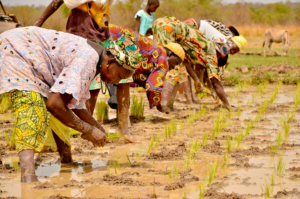 Women play a key role in agriculture in The Gambia, especially in rural communities where poverty remains a day-to-day issue. More than 60% of Gambians depend on agriculture for their livelihood. Women make up more than half of the agricultural labor force and produce around 40% of total output.
Agriculture contributes about 20% of the country’s GDP. Approximately 74% of rural residents live below the poverty line, which increases vulnerability for farming households. Many women rely on small-scale farming for food and income; however, limited access to land, resources and markets often restricts their economic opportunities.
Barriers Faced by Women Farmers
There are unspoken barriers that Gambian women face, limiting their ability to increase income and reduce poverty. They have limited opportunities for education, land ownership or access to productive inputs, reducing both productivity and household income. Limited access to seeds, tools, fertilizers and financial services further slows agricultural productivity for women farmers.
These obstacles contribute to persistent poverty and food insecurity among women and their households.
Women’s Cooperative Farming Projects as a Solution
Women’s cooperative farming has become an effective solution to the economic challenges faced by women farmers in The Gambia. Cooperatives are the means by which women have accessed resources, such as seeds, tools and fertilizers. These collective structures allow them to sell their produce in local and regional markets and negotiate fairer prices.
For example, a program aims to reach about 40,000 households (more than 10% of the population). Women account for about 80% of participants, boosting productivity, food availability, market access and income stability. Women’s cooperatives have become a key asset in improving household livelihoods and reducing poverty in rural Gambian communities.
FAO Climate-Smart Agriculture Programs
The Food and Agriculture Organization (FAO) strengthens the resilience of women farmers through sustainable, climate-smart agriculture. Through these initiatives, training is provided in sustainable farming techniques and soil management. This helps women gain the knowledge and support to increase productivity while adapting to climate challenges.
Hands-on workshops are key to improving practical skills and food security. Women who participate in these programs receive education and guidance on generating a stable income and reducing poverty.
IFAD-Supported Women’s Cooperatives
The International Fund for Agricultural Development (IFAD) supports women’s cooperative farming in The Gambia by helping create community gardens, develop value chains and provide inclusive access to microloans. IFAD programs help women secure better prices for their products in the market. Through these initiatives, participating communities experience increased household income and a sustainable reduction of poverty.
To help protect rural households, IFAD has been funding the National Agricultural Land and Water Management Development (NEMA) project through its Adaptation for Smallholder Agriculture Program (ASAP). It aims to increase the climate resilience of smallholder farmers and improve local climate emergency management.
NEMA has increased agricultural productivity and household income by improving access to irrigation, land and markets. Also, FAO-supported horticulture projects provide training, tools and seeds, strengthening food security and income generation for rural communities.
ActionAid SAPOF Project
ActionAid International The Gambia, has a project named Strengthening Civil Society Organizations Support and Advocacy for Sustainable Production (SAPOF), funded by the European Union. SAPOF has established women’s vegetable gardens in several communities. It has trained more than 100 women, youth and persons with disabilities in organic/compost fertilizer production and sustainable farming practices.
Thanks to these gardens, many women farmers benefit from agricultural production and training in climate-resilient practices. Participants from across the nation have reported that gardens have improved their quality of life and household nutrition and have helped reduce economic dependency and food insecurity.
Impact on Women, Households and Communities
These farming initiatives have a huge impact on poverty reduction in The Gambia by increasing women’s economic participation in the household income. Women involved in such initiatives report improved nutrition, stable income and even greater decision-making power within their communities. This is a way of strengthening women’s role in farming projects, which also contributes to the local food supply chain and benefits households where poverty and food insecurity remain highest.
Why Women’s Cooperative Farming Matters
Women’s cooperative farming projects in The Gambia play a key role in addressing poverty and food insecurity. Supporting women farmers is essential to improve households’ well-being, nutrition and sustainable development and to reduce poverty across rural regions of The Gambia. All of this is possible with access to resources, markets and land.
– Numahaiseta Sillah
Numahaiseta is based in Duisburg, Germany and focuses on Technology and Global Health for The Borgen Project.
Photo: Flickr
