Everything To Know About Child Marriage in Nicaragua
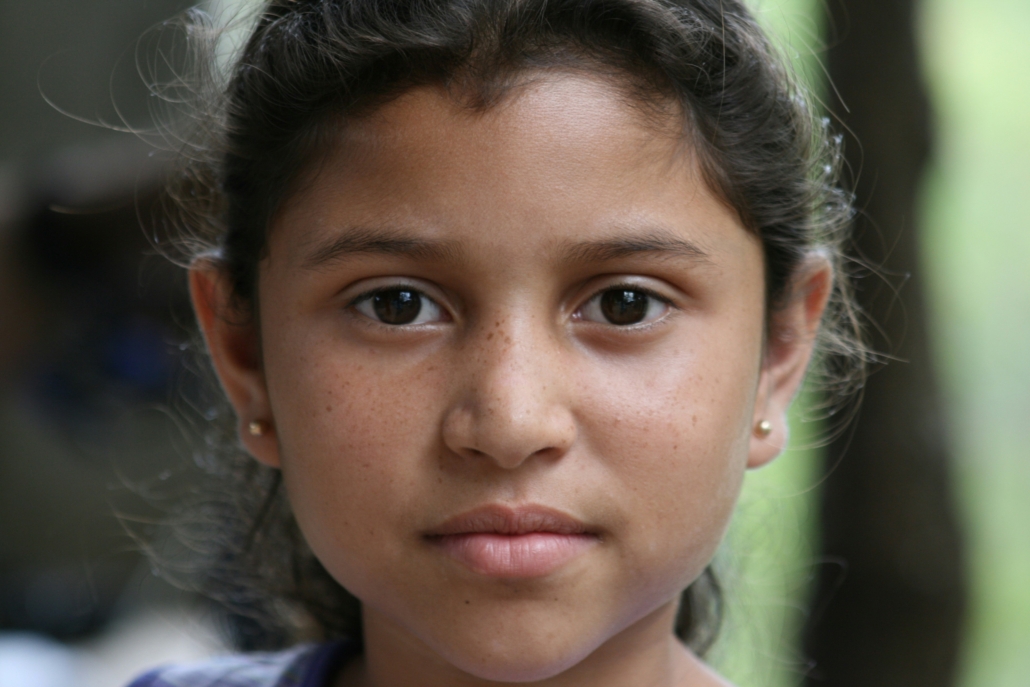 The Nicaraguan government and local organizations have worked to reduce and eliminate child marriage and early unions. Their efforts have achieved a 50% decrease in the number of girls married before the age of 18, falling from 1987 to 35% in 2012. However, Latin America remains the only region in the world that has not shown a clear decline in child marriage over the last three decades. Nicaragua has the highest rates within the region and ranks 14th globally with 10% of girls marrying or entering a union before age 15. Among boys, 19% marry or enter a union before the age of 18. Here are the main reasons for child marriage in Nicaragua:
Poverty
Poverty continues to affect a large portion of Nicaragua’s population. The United Nations reports that 48% of people live below the poverty line. Continual climate disruptions devastate the environment and worsen economic conditions. High levels of organized crime and human trafficking also contribute to insecurity. Many families marry off their children to ease financial hardship and improve their economic situation, resulting in increased levels of child marriage in Nicaragua
Furthermore, Nicaraguan society continues to enforce cultural and gender norms that pressure girls to marry young and bear children. These expectations limit and restrict their opportunities.
Lack of Education
A lack of access to education is both a cause and result of child marriage in Nicaragua. Families often pressure girls to leave school after marriage. Communities with poor access to education have higher levels of child marriage.
When families remove girls from education to marry, they face a greater risk of teenage pregnancy. Reports show that 30% of girls who marry or enter a union become pregnant within the first year. A 2019 UNFPA study highlighted the high correlation between early unions/marriage and pregnancy among girls in Nicaragua. Not only this, but teenage pregnancies pose a serious health risk for young mothers with increased maternal mortality rates.
Solutions in Place
The Nicaraguan government has implemented several measures to reduce child marriage and aims to end early and forced marriage by 2030. The government co-sponsored the 2013 and 2014 United Nations General Assembly resolutions on child, early and forced marriage. In 2013, as a member of the United Nations Economic Commission for Latin America and the Caribbean, Nicaragua adopted the Montevideo Consensus on Population and Development, which recognized the need to address the high levels of adolescent pregnancy and its associations with forced marriages.
The government also updated legislation under the Follow-up Mechanism to the Belem do Para Convention to ensure the minimum age of marriage was 18 for both men and women. During its 2019 Universal Periodic Review, the government agreed to review recommendations to combat all harmful practices against women and girls, including child marriage in Nicaragua.
Beyond legal reforms, the government and international organizations have focused on education and advocacy. Several non-governmental organizations (NGOs) and educational initiatives work to keep girls in education. For example, SOS Children’s Village, a charity dedicated to improving the lives of children living in poverty, has provided education to more than 2,630 children. Other global charities, such as UNAIDS, have partnered with UN Women, UNICEF and the World Health Organization in a joint initiative to eliminate child marriage and to ensure that governments meet the needs of women and girls in Latin American and the Caribbean. Due to the work of these initiatives and awareness brought to these issues, a number of communities now acknowledge the harm that child marriage in Nicaragua caused.
The Path Forward
There is still much more work to be done. There are still barriers to reform that need to be addressed and tackled with global organizations calling for stricter and better enforced policies, more access to education for girls, a change in cultural gender norms and continuing efforts to end poverty. However, the continued successes of government initiatives and charity organizations suggests a real progress for the improvement of women and girl’s rights and opportunities and for the reduction of child marriage in Nicaragua.
– Alys Gaze
Alys is based in Wales, UK and focuses on Good News and Politics for The Borgen Project.
Photo: Unsplash
