HPV Self-Test Kits: Cervical Cancer Screening in El Salvador
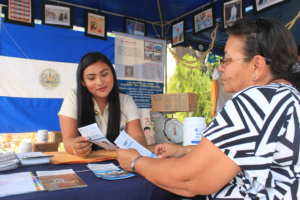 Cervical cancer is one of the most preventable yet deadly cancers among women worldwide. More than 90% of cervical cancer-related deaths occur in low and middle-income countries, including El Salvador. In this Central American nation, cervical cancer remains the leading cause of cancer-related deaths in women, with limited access to traditional screening programs posing a major barrier to prevention efforts.
A Promising Alternative: Self-Collection
To combat this gap in gynecological care, the Salvadoran Ministry of Health partnered with Basic Health International to pilot self-collected HPV testing in rural areas. In the Cervical Cancer Prevention in El Salvador (CAPE) study, more than 500 women participated in self- and provider-based screening. Many preferred self-sampling, citing privacy, comfort and ease of use. This low-cost alternative has the potential to transform cervical cancer screening in El Salvador, especially for women who were under-screened or had never received a cervical exam.
Self-collection allows women to collect cervico-vaginal samples, often at home, using a small brush. This eliminates the need for a speculum exam. Additionally, this is a game-changer for women in rural areas where clinics are far away and stigma around pelvic exams runs deep. In surveys, nearly 40% of participants preferred self-collection and most of those said they would choose it again for future screenings.
Integrating Self-Tests Into National Guidelines
Thanks to strong evidence from pilot studies and advocacy by public health leaders, El Salvador became one of the first countries in the region to integrate HPV testing into its national cervical cancer screening guidelines. This includes the option for women to collect their own samples, a move that improves access and encourages early detection.
The Ministry of Health is committed to screening 70% of eligible women by 2030, which aligns with the World Health Organization’s (WHO) global elimination strategy. Furthermore, the inclusion of HPV self-collection in national policy marks a critical step toward expanding cervical cancer screening in El Salvador to reach the WHO’s 2030 elimination targets.
Scaling up Nationwide
Since self-collection was introduced, cervical cancer screening in El Salvador has grown rapidly. The country has trained more than 4,500 health care workers and screened more than 145,000 women. Screen-positive women are offered treatment at one of 74 centers across the country. Innovations like self-sampling and portable thermal ablation devices are helping to make these services more accessible and affordable, particularly for women in hard-to-reach areas.
A Model for Other Countries
El Salvador’s success shows how simple, scalable innovations can dramatically increase access to life-saving care. Indeed, by removing logistical, financial and cultural barriers, HPV self-collection empowers women to prioritize their health on their terms. As other low and middle-income countries seek to meet the WHO’s 2030 targets, El Salvador’s model offers hope and a blueprint for equitable cancer prevention.
– Anna Chiaradonna
Anna is based in Philadelphia, PA, USA and focuses on Good News and Politics for The Borgen Project.
Photo: Wikimedia Commons
