• Link to X
  • Link to Facebook
  • Link to Instagram
  • Link to TikTok
  • Link to Youtube
  • About
    • About Us
      • President
      • Board of Directors
      • Board of Advisors
      • Financials
      • Our Methodology
      • Success Tracker
      • Contact
  • Act Now
    • 30 Ways to Help
      • Email Congress
      • Call Congress
      • Volunteer
      • Courses & Certificates
      • Be a Donor
    • Internships
      • In-Office Internships
      • Remote Internships
    • Legislation
      • Politics 101
  • The Blog
  • The Podcast
  • Magazine
  • Donate
  • Click to open the search input field Click to open the search input field Search
  • Menu Menu

Archive for category: WHO

Global Health, Global Poverty, WHO

HIV and Syphilis: Mother-to-Child Transmission in Belize

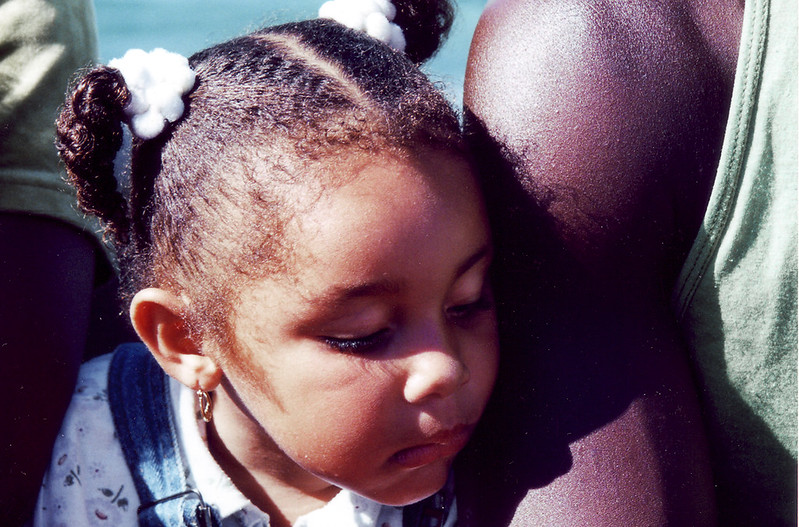
Belize Eliminates Mother-to-Child HIV and Syphilis TransmissionIn May 2024, Belize achieved certification from the World Health Organization (WHO) for eliminating mother-to-child transmission of HIV and syphilis. Over the past 20 years, in collaboration with the Pan American Health Association (PAHO), health care workers in Belize have dedicated themselves to enhancing medical services, ensuring a generation free from these diseases.

Improving Medical Services in Belize

Since the early 2000s, Belize’s health care services, in collaboration with the Pan American Health Organization (PAHO), have been following the organization’s Plan of Action for the Prevention and Control of HIV and Sexually Transmitted Infections. This initiative has improved and promoted access to prenatal HIV and syphilis testing. Health care providers now screen every pregnant woman for these viruses two to three times during pregnancy, at delivery and at 18 months postpartum.

The vastly improved testing services have reduced mother-to-child transmission in Belize, of HIV and syphilis by 81% from 2007 to 2023, achieving eradication by 2024. This success depended on effective treatments administered to pregnant women who tested positive for these diseases. For syphilis, health professionals administer three consecutive weeks of penicillin injections; HIV-positive mothers receive daily antiretrovirals along with prenatal vitamins. These treatments effectively prevent the transmission of HIV and syphilis to their children. To further ensure children are born virus-free, nurses follow up with mothers a week after treatment completion to verify the full course was administered and to identify any potential complications.

Encouraging Mothers to Seek Testing and Treatment

Throughout Belize’s collaboration with PAHO under its Plan of Action, the country has enhanced the research capabilities and capacity of its health care services, enabling more pregnant women to be tested earlier and more accurately for both HIV and syphilis. The percentage of women attending health clinics in their first trimester has risen to 90%, allowing for earlier and more effective administration of preventative treatments. When mothers test positive for these diseases, health care providers also encourage their partners to get tested, fostering community awareness and enabling more individuals to know their statuses and receive necessary treatment. As of 2022, 81% of people living with HIV in Belize are aware of their status.

Screenings and treatments in these clinics are free, ensuring that all women in Belize can access life-saving treatments for themselves and their unborn children. This accessibility has been crucial in eradicating the viruses and underscores the relentless efforts of Belizean health care workers. Additionally, if a mother misses an appointment, a nurse visits her home to conduct a follow-up check.

Nurses Maintaining the Transmission Rates

The critical roles of nurses in eliminating mother-to-child transmission of HIV and syphilis in Belize, particularly in remote areas like San Lazaro, are pivotal. The Belize Ministry of Health facilitates mobile health services that allow nurses to travel between villages to conduct screenings and treatments. This commitment underscores the dedication of health care workers to achieving the certification for eradicating HIV and syphilis transmission from mothers to their children.

Health care services in Belize actively educate and promote awareness of HIV and syphilis, encouraging mothers to seek regular testing. During prenatal checkups at clinics, health care workers emphasize the importance of screenings for both the women and their unborn children. This approach normalizes early testing upon pregnancy, increasing awareness and helping more women know their health status.

Testimonies from Belizean health care workers emphasize that their diligence, research and efforts are crucial for sustaining the elimination of mother-to-child transmission of HIV and syphilis. The Minister of Health and Wellness of Belize, Hon. Kevin Bernard, notes that cooperation and teamwork between health care workers and the communities they serve are essential for delivering optimal services and effectively preventing the spread of the disease.

Looking Ahead

The WHO certification confirming the elimination of mother-to-child transmission of HIV and syphilis in Belize highlights the success of the country’s health care workers and medical services. According to Dr. Natalia Largaespada Beer, this achievement not only ensures a new generation free of these diseases but also represents an opportunity to strengthen the health care system. The enhancement of services and nationwide access to life-saving treatments promise a bright future for Belize in sustaining this elimination, ensuring every child has the right to be born free from these diseases.

– Ben Kane

Ben is based in London, UK and focuses on Global Health for The Borgen Project.

Photo: Flickr
July 22, 2024
https://borgenproject.org/wp-content/uploads/borgen-project-logo.svg 0 0 Precious Sheidu https://borgenproject.org/wp-content/uploads/borgen-project-logo.svg Precious Sheidu2024-07-22 03:00:282024-07-22 00:37:39HIV and Syphilis: Mother-to-Child Transmission in Belize
Disease, Global Poverty, WHO

Poverty and Dengue Outbreaks in Timor-Leste

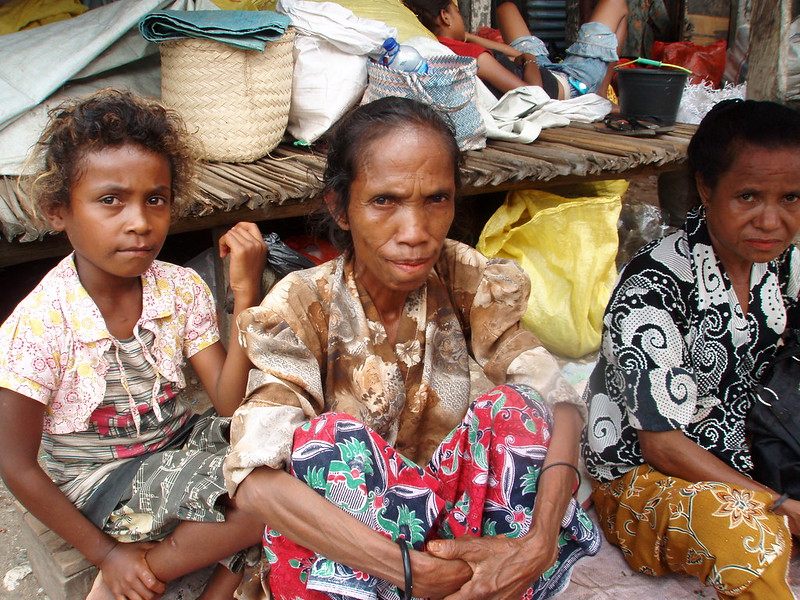
Dengue Outbreaks and Poverty in Timor-LesteTimor-Leste, also known as East Timor, is a country in Asia situated on the eastern half of the island of Timor. As one of the lowest-income nations in the world, it has a GDP per capita of $3,900. The nation’s low income leads to numerous poverty-related challenges, including health issues. Dengue fever, in particular, poses a significant health problem in the country. Dengue outbreaks occur annually in Timor-Leste, peaking during the hot and rainy season from Dec. to April. In Jan. 2022, Timor-Leste experienced a severe dengue outbreak, with nearly 900 cases recorded in Dili, the nation’s capital, compared to about 100 cases the previous year. From 2018 to 2022, Timor-Leste reported an incidence rate of 330 dengue cases per 100,000 people.

Dengue

Dengue, a disease prevalent in tropical and subtropical areas, spreads mainly through Aedes mosquitoes. Common symptoms include fever, aches, rashes and nausea. While not always fatal, dengue can lead to death in severe cases. Currently, no specific treatment exists for the illness; the primary advice for those affected is to rest and drink plenty of fluids.

Dengue Impacts the Impoverished

Due to Timor-Leste’s low income and high poverty rate, dengue outbreaks hit especially hard. About 42% of the nation’s population lives below the poverty line and these individuals suffer more from the outbreaks than those who are not impoverished. Environmental factors often place people in poverty at higher risk. Many are displaced by natural disasters like flooding, which forces them to seek new housing and living spaces, increasing their risk of dengue transmission. Additionally, these disaster sites often lead to increased mosquito populations due to standing water, further elevating the risk of infection. Accessing health care is also challenging for many impoverished people, exacerbated by Timor-Leste’s weak health care system. Poor education and high poverty rates hinder the development of a robust health care industry, allowing illnesses to spread more widely.

Actions Being Taken

The World Health Organization (WHO) is actively combating dengue in Timor-Leste through multiple initiatives. WHO is supporting the government in strengthening its health care system and has trained many workers to provide necessary care. It has also developed national dengue control guidelines for managing future outbreaks and launched a nationwide campaign to educate the public on dengue prevention and home treatment methods. Additionally, WHO has organized cleaning efforts to maintain clean water and environments, reducing contamination risks. The organization also employs fumigation to eliminate mosquitoes from residential areas. The Timor-Leste Red Cross has also contributed, seeking assistance from the International Red Cross. From Feb. to Aug. 2022, these combined efforts successfully reduced the spread of dengue and minimized its impact.

Looking Ahead

Timor-Leste faces significant challenges due to its low income and recurring dengue outbreaks. The WHO and the Timor-Leste Red Cross have implemented various measures to combat the spread of dengue, including health care worker training, public education campaigns and environmental cleaning efforts. Despite these ongoing efforts, the country continues to struggle with the impacts of poverty and a fragile health care system, necessitating ongoing support and resources to effectively manage and reduce dengue cases.

– Tyra Brantly

Tyra is based in Los Angeles, CA, USA and focuses on Global Health for The Borgen Project.

Photo: Flickr
July 15, 2024
https://borgenproject.org/wp-content/uploads/borgen-project-logo.svg 0 0 Precious Sheidu https://borgenproject.org/wp-content/uploads/borgen-project-logo.svg Precious Sheidu2024-07-15 03:00:052024-07-15 01:22:23Poverty and Dengue Outbreaks in Timor-Leste
Global Health, Global Poverty, WHO

The Fight Against Mosquito-Borne Diseases

The Fight Against Mosquito-Borne Diseases Mosquitoes play dual roles in ecosystems worldwide as major pollinators and a key food source. They also spread life-threatening diseases such as Malaria, Zika Virus and Dengue Fever, making them the world’s deadliest organism. Mosquitoes cause between 750,000 to 1,000,000 deaths annually and cost the global economy more than $12 billion each year. Despite the impact of mosquito-borne diseases, particularly in low to middle-income countries, mosquitoes remain ecologically important. As a result, scientists are striving to develop creative solutions that prevent, reduce and eradicate these diseases without disrupting natural ecosystems.
Innovative Genetic Solutions

Given the current technology, implementing preventative measures to reduce the spread of mosquito-borne diseases has become a priority. Indeed, scientists are searching for more effective and widespread solutions to decrease the population of disease-spreading mosquitoes. One promising approach focuses on genetically modifying mosquitoes to reduce their population.

This strategy involves releasing mosquitoes carrying a “self-limiting gene” that causes female offspring to die before reaching adulthood. By targeting specific mosquito species known to spread diseases, this approach aims to break the transmission cycle. The Centers for Disease Control and Prevention (CDC) states that this method is reversible; ceasing the release of these genetically modified mosquitoes would allow the population to return to normal levels. Controlling the reproduction of disease-spreading mosquitoes, particularly biting females, could potentially prevent deadly disease outbreaks.

Oxitec’s Pioneering Role in Mosquito Population Control

Oxitec, a U.K.-based biotech company, leads the efforts in genetically modified mosquito (GMM) projects. While their stated aim is to help combat the spread of malaria in Eastern Africa and Central and South America, their broader focus includes decreasing the incidence of all mosquito-borne and vector-borne diseases. Oxitec specifically targets three critical mosquito species: Anopheles stephensi, an invasive species originally from Asia now detected in seven African countries, Anopheles albimanus and Aedes aegypti, native to South America.

Brazil’s Fight Against Dengue

Between 2021 and 2022, Brazil experienced a 400% increase in deaths caused by Dengue. In response, the country has ramped up projects to combat mosquito-borne diseases. Despite these ongoing efforts, Brazil is currently grappling with a Dengue Fever outbreak, with confirmed cases surpassing 5 million. Oxitec has initiated the deployment of ‘just-add-water friendly’ genetically modified mosquitoes (GMMs) into the local mosquito populations to help curb this epidemic. Reports indicate that in areas where these interventions have occurred, populations of Aedes aegypti mosquitoes have been nearly halved. Authorities are aiming for an overall reduction of 20% to mitigate the current state of emergency affecting many regions, including the state of Rio de Janeiro.

Panama’s Use of GMMs

Panama first utilized GMMs in 2014 through a partnership between Oxitec and the Gorgas Institute in Panama City, aiming to decrease the Aedes aegypti population to reduce Dengue transmission. More recently, Panama has been confronting a new Malaria epidemic, with cases in rural communities surging by 65% in 2023. The rise in cases is primarily attributed to an increase in the population of the invasive mosquito Anopheles albimanus. This situation has renewed collaboration between Panama and Oxitec, leading to the release of genetically modified ‘friendly’ Anopheles albimanus mosquitoes intended to diminish the number of this malaria-spreading species.

GMMs in Djibouti

Anopheles stephensi, a mosquito known for transmitting Malaria in South Asia and the Middle East, was confirmed in 2012 to have crossed the Red Sea into the Horn of Africa. Since then, it has been found in seven African countries and is suspected in four others. Djibouti, which nearly eradicated Malaria in 2012 with fewer than 100 confirmed cases, saw cases skyrocket to more than 70,000 by 2020. In May 2024, Djibouti became the first East African country to deploy genetically modified mosquitoes (GMMs) to combat the rising tide of Malaria.

Looking Ahead

Innovative solutions such as deploying genetically modified mosquitoes present promising methods for controlling mosquito populations and reducing disease transmission without disrupting ecological balance. Countries like Brazil, Panama and Djibouti are already implementing these advanced techniques, underscoring the critical need to continue investing in and developing effective strategies to combat mosquito-borne illnesses globally.

– Philip Mundy

Philip Mundy is based in Bristol, UK and focuses on Good News and Global Health for The Borgen Project.

Photo: Flickr

July 2, 2024
https://borgenproject.org/wp-content/uploads/borgen-project-logo.svg 0 0 Precious Sheidu https://borgenproject.org/wp-content/uploads/borgen-project-logo.svg Precious Sheidu2024-07-02 07:30:152024-08-20 06:20:03The Fight Against Mosquito-Borne Diseases
Aid, Foreign Aid, Global Poverty, Government, NGOs, WHO

KSRelief-WHO Funding Agreement for Sudan, Syria and Yemen

KSRelief-WHO Funding Agreement for Sudan, Syria and Yemen Ongoing conflicts in Sudan, Syria and Yemen have devastated public health institutions and affected millions. In Sudan, more than two-thirds of main hospitals are out of service, leaving 11 million people in need of urgent health care since April 2023. Syria faces a similar crisis, with more than 12.2 million people needing immediate medical attention due to inadequate health facility services. In Yemen, about 46% of health facilities are nonfunctional or partially operational, affecting 21.6 million people, at least two-thirds of the population. In response, the King Salman Humanitarian Aid and Relief Centre (KSRelief) is actively providing crucial support and resources to address these health care challenges.
International Aid and Collaboration

On May 25, 2024, KSRelief signed an agreement with the World Health Organization (WHO) to fund WHO’s critical health response operations in Sudan, Syria and Yemen to the amount of $19.4 million. Before signing the funding agreement, both organizations worked extensively to alleviate the pain the people in Sudan, Syria and Yemen endured.

At Jordan’s Zaatari camp for Syrian refugees, KSRelief has been operating medical clinics where doctors have provided health care assistance, including treatment for sinus and middle ear infections, to 2,349 Syrian patients. Similarly, WHO has been reinforcing disease surveillance in Sudan and Yemen to help countries such as the Kingdom of Saudi Arabia respond effectively to the health crises in these countries. KSRelief’s funding support to WHO’s critical health operations in Sudan, Syria and Yemen facilitates medical care on the ground.

Funding Dialysis Treatments in Sudan

KSRelief’s efforts includes providing $5 million to supply 100 dialysis machines and strengthen dialysis centers in Sudan. Currently, 77 renal dialysis centers in Sudan are only partially functioning and cannot provide life-saving dialysis treatment for the Sudanese people. According to the International Society of Nephrology, there are approximately 8,000 Sudanese people and more who have been relying on dialysis to stay alive since the conflict started. 

Healing Syria After the Earthquakes

On Feb. 6, 2023, a devastating earthquake in Syria destroyed many buildings, including essential hospitals and health clinics, affecting 8.8 million Syrians and resulting in the deaths of 5,954 Syrians. KSRelief supported WHO with a $4.75 million contribution to provide necessary medications and supplies to around 350,000 Syrians in need urgent health care. The funds allocated to Syria will also help WHO restore diagnostic capacity and ambulance services, assisting an estimated 4.1 million Syrians.

Countering Disease Outbreaks in Yemen

KSRelief is providing $9.5 million to support WHO’s operations in Yemen, focusing on strengthening responses to disease outbreaks like cholera and measles. Yemen currently faces over 40,000 suspected cholera cases and more than 34,000 cases of measles and rubella as of August 31, 2023. This funding also aims to help WHO enhance health care facilities in Yemen by improving their sanitation and hygiene services, thereby boosting their capacity to tackle disease outbreaks. These ongoing efforts are expected to benefit approximately 12.9 million Yemenis in urgent need of care due to the public health crisis.

Multilateral Collaboration to Address Critical Health Issues

KSRelief’s critical financial support to WHO’s health operations aims to ensure the safety of Sudanese, Syrian and Yemeni people who dream of a stable and secure future. The ongoing efforts highlight the impact multilateral collaboration between countries and organizations could have in addressing global health issues.

– Abdullah Dowaihy

Abdullah is based in Riyadh, Saudi Arabia and focuses on Good News and Global Health for The Borgen Project.

Photo: Flickr

June 21, 2024
https://borgenproject.org/wp-content/uploads/borgen-project-logo.svg 0 0 Precious Sheidu https://borgenproject.org/wp-content/uploads/borgen-project-logo.svg Precious Sheidu2024-06-21 01:30:352024-06-20 03:42:08KSRelief-WHO Funding Agreement for Sudan, Syria and Yemen
Advocacy, Disease, Global Poverty, Health, SIDS, WHO

Strengthening Health Care Centers in Saint Lucia

Strengthening Health Care Centers in Saint LuciaLocated in the Caribbean, Saint Lucia is a small island nation with a population of just under 200,000. Like many Small Island Developing States (SIDS), it faces challenges such as limited technology and overwhelmed health care services, making its population vulnerable to poor health. Noncommunicable diseases (NCDs) like hypertension and diabetes reportedly account for approximately 82% of the country’s deaths.
Causes of Vulnerability

SIDS are particularly vulnerable to NCDs. According to a 2023 World Health Organization report, of 15 countries experiencing a 30% higher mortality rate from NCDs, eight are SIDS. This heightened vulnerability stems from several factors, including governance issues, educational gaps and economic inequality. Their isolated locations restrict trade and access to resources, while small populations limit their ability to develop extensive health care facilities and secure sufficient funding. The high cost of medical technology further strains their GDPs.

SIDS faces frequent natural disasters like hurricanes and cyclones, which annually cost 1% to 8% of their GDP, leading to infrastructure damage that requires ongoing reinvestment and rebuilding of national services. Additionally, these nations often suffer from brain drain, as many skilled professionals emigrate in search of better opportunities, further depleting the health care workforce.

Strengthening Health Care Centers in Saint Lucia

With funding from the World Bank, the Ministry of Health, Wellness and Elderly Affairs in Saint Lucia has implemented a Performance-Based Financing mechanism for health care centers. This scheme distributes funding to wellness services across the island, aiming to improve access to primary-level health care for patients and reward centers for their treatment provision. By allocating funds based on data-driven performance metrics, the ministry makes strategic investments to maximize effectiveness.

Long-term investment in health care services enhances their efficiency and resilience in recovering from unprecedented events and shocks. Recent years have highlighted the importance of such resilience, with many countries struggling to handle crises like the COVID-19 pandemic. This resilience is especially critical for SIDS, given their increased vulnerability to natural disasters like hurricanes. These meteorological events strain the economy and necessitate frequent strengthening of infrastructure.

A recent World Bank report found that individuals suffering from non-communicable diseases spend about 36% of their income on health care annually, a figure that rises to nearly 50% among those experiencing higher levels of poverty. Improved health services allow individuals to consult local providers instead of resorting to more expensive hospital care. Strengthening health care centers in Saint Lucia boosts economic conditions on both national and individual levels.

Looking Ahead

Saint Lucia, like many SIDS, faces significant challenges in managing NCDs due to its limited health care resources and economic constraints. The government, with World Bank support, has introduced a Performance-Based Financing mechanism to improve primary health care access and efficiency. Strengthening these services can potentially reduce health care costs for individuals and enhance the island’s overall economic resilience. This approach aims to mitigate the impact of natural disasters and health crises on the nation’s vulnerable population.

– Aimee Masters

Aimee is based in London, UK and focuses on Technology and Global Health for The Borgen Project.

Photo: Flickr

June 21, 2024
https://borgenproject.org/wp-content/uploads/borgen-project-logo.svg 0 0 Precious Sheidu https://borgenproject.org/wp-content/uploads/borgen-project-logo.svg Precious Sheidu2024-06-21 01:30:312024-06-19 13:27:31Strengthening Health Care Centers in Saint Lucia
Global Poverty, Health, WHO

Public Health Action for the Western Pacific Region by WHO

Western Pacific RegionThe Western Pacific Region is struggling to provide people in that Region with access to public healthcare. Rural areas in Cambodia, the Philippines and Vietnam are more adversely affected than urban areas. About two out of every five people do not have access to services such as immunization, pregnancy, childcare and disease treatment. By 2048, an expected 21 million people in the Western Pacific are expected to die each year from noncommunicable diseases.

However, the World Health Organization (WHO) is working to bring adequate health services, human resources and financial protection to these impoverished communities. WHO is currently endorsing a publication for Universal Health Coverage (UHC). It includes a framework for action and aims to transform public systems as a whole and support people in maintaining health for life.

Public Health Care Struggles

Within many countries in the Western Pacific, some can access health care yet face high out-of-pocket expenses that cause financial hardship. This can become a catalyst for dipping below the poverty line. As much as 10% of the population’s income is used for health care purposes, which can then force choices between health care or adequate food and shelter.

In 1940, only 40% of the Region lived until age 60; this number is expected to reach 94% by 2048 after the implementation of the WHO initiative. About 90 million people within the Region do not utilize a primary drinking water facility. Furthermore, about 400 million have no access to sanitation services that safely manage human waste. Diarrhea is often then contracted and contributes to malnutrition and antimicrobial resistance, which creates an overall unhealthy population over time.

Viral hepatitis is a significant threat in the Western Pacific, claiming around 1500 lives every day in the Region. Other environmental stresses pose challenges to the health, safety and physical well-being of rural populations. The increasingly polluted air and water supplies are contributing to a rise in cancer, diabetes and heart disease.

Vulnerable Populations in the Western Pacific Region

The most vulnerable populations in the Region include those living in rural and peri-urban areas. These areas struggle with accessing and paying for health care. Additionally, there are high disease burdens, poor health outcomes and limited access to affordable and nutritious food. More than 300 million people in the Western Pacific Region cannot afford a healthy diet, contributing heavily to malnutrition.

Cambodians struggle with unsafe drinking water and a lack of sanitation facilities. The overall population health is negatively affected by poverty, lack of essential commodities and adverse social conditions. Similar to other countries, populations face high out-of-pocket payments that threaten impoverishment. In recent years in the Philippines, the top causes of death have been heart diseases, neoplasms and cerebrovascular diseases.

The country is also struggling with a lack of hospital beds and adequate medical equipment in rural areas more than in urban areas. Rural areas often contain non-licensed doctors and ill-equipped facilities, while larger cities such as Manila have better medical resources. This creates a more significant disparity between minority groups.

Similarly, the public health care system in Vietnam is underfunded, with insufficient resources allocated to health care infrastructure, equipment and staff training. This occurs in the majority public sector of the public health care system. High out-of-pocket payments account for large percentages of health expenditures in the country. This significantly burdens low-income families, resulting in delayed or inadequate care.

WHO’s Initiative

WHO understands that the right to health does not just include services. Other factors include safe, clean water, air, nutritious food, adequate housing, quality education, decent working conditions and freedom from discrimination. Therefore, its UHC initiative will contain action frameworks and health financing for social well-being and sustainable development for public health systems.

This initiative could create a strengthened public health system in Cambodia. It could reduce infant, child and mother mortality, as well as provide more adequate sanitation facilities. In the Philippines, having a collaborative public health system between the government and the public could provide a safe, effective, quality health system to those who need it, with a minimal waste of resources.

In Vietnam, removing disparities in the quality of care between urban and rural settings and public and private sectors would create a healthier population overall.

– Chloe Landry

Chloe is based in Providence, RI, USA and focuses on Global Health for The Borgen Project.

Photo: Flickr

April 26, 2024
https://borgenproject.org/wp-content/uploads/borgen-project-logo.svg 0 0 Hemant Gupta https://borgenproject.org/wp-content/uploads/borgen-project-logo.svg Hemant Gupta2024-04-26 01:30:032024-04-25 12:16:33Public Health Action for the Western Pacific Region by WHO
Global Health, Global Poverty, WHO

Neglected Tropical Diseases in Yemen

Neglected Tropical Diseases in Yemen Amid the civil conflict in Yemen, neglected tropical diseases such as dengue, leishmaniasis and schistosomiasis are severely impacting citizens and challenging the country’s public health sector. For a time, these diseases became prevalent across Yemen. Fortunately, interventions by international NGOs, including the World Health Organization (WHO) and the Drugs for Neglected Diseases initiative (DNDi), have been instrumental in curbing the spread of these diseases.

Dengue in Yemen

Dengue fever has significantly impacted Yemen, particularly over the past decade, with major outbreaks occurring in 2015 and 2019. Efforts to control the disease’s spread among Yemen’s conflict-affected population have been ongoing. In 2015 alone, Yemen experienced an unprecedented surge in dengue cases, with more than 6,777 suspected instances reported.

In 2019, Yemen reported 76,768 suspected dengue cases and 271 deaths, with 71% of all cases occurring in the Al Hodeidah region. This region alone recorded 5,524 cases and 11 deaths in the first month of 2019. Following the 2019 outbreak, the number of suspected dengue cases in 2020 surged to seven times the figures from 2019 and six times those from 2018.

Leishmaniasis

Leishmaniasis remains another neglected tropical disease in Yemen, which reports some of the highest case numbers worldwide. It is particularly prevalent in rural areas, with about 4,440 cases recorded in 2019. A 2023 study found that 33% of participants had active skin lesions or scars meeting the clinical criteria for leishmaniasis and 14.7% displayed suspected active lesions. The study confirmed a high prevalence of leishmaniasis in Yemen.

Schistosomiasis

Schistosomiasis remains a critical but neglected tropical disease in Yemen that urgently requires attention. In 2013, it was identified as the second leading cause of death after malaria, with an estimated 3 million cases. As of 2021, a survey revealed that the disease continues to affect a significant portion of the population. However, the risk of contracting schistosomiasis has decreased from one in five residents to fewer than one in 15.

Efforts of WHO and DNDi Programs

International organizations such as the WHO have long worked to address neglected diseases in Yemen. The WHO runs an elimination program for schistosomiasis and a control program for cutaneous leishmaniasis. These programs provide guidelines for case management, treatment, and mass drug administration, where appropriate, aiming to eradicate these neglected tropical diseases in Yemen.

The DNDi, a nonprofit organization, develops new treatments for neglected tropical diseases that primarily affect impoverished populations. It continues to research how to produce effective drugs and vaccines to treat and prevent neglected tropical diseases globally, with Yemen among the potential beneficiaries.

The ongoing conflict and humanitarian crisis in Yemen pose significant challenges to implementing and advancing programs for neglected tropical diseases. Despite these obstacles, WHO, in collaboration with local partners, continues to prioritize and support efforts to combat these diseases in the country.

Looking Forward

The combined efforts of WHO and DNDi are setting a hopeful trajectory toward mitigating neglected tropical diseases in Yemen. The innovative health strategies hold promise for improving the lives of Yemen’s most vulnerable populations.

– Olusegun Odejobi

Olusegun is based in Norwich, UK and focuses on Global Health for The Borgen Project.

Photo: Flickr

April 19, 2024
https://borgenproject.org/wp-content/uploads/borgen-project-logo.svg 0 0 Precious Sheidu https://borgenproject.org/wp-content/uploads/borgen-project-logo.svg Precious Sheidu2024-04-19 01:30:012024-04-18 05:19:13Neglected Tropical Diseases in Yemen
Page 2 of 212

Get Smarter

  • Global Poverty 101
  • Global Poverty… The Good News
  • Global Poverty & U.S. Jobs
  • Global Poverty and National Security
  • Innovative Solutions to Poverty
  • Global Poverty & Aid FAQ’s
Search Search

Take Action

  • Call Congress
  • Email Congress
  • Donate
  • 30 Ways to Help
  • Volunteer Ops
  • Internships
  • Courses & Certificates
  • The Podcast
Borgen Project

“The Borgen Project is an incredible nonprofit organization that is addressing poverty and hunger and working towards ending them.”

-The Huffington Post

Inside The Borgen Project

  • Contact
  • About
  • Financials
  • President
  • Board of Directors
  • Board of Advisors

International Links

  • UK Email Parliament
  • UK Donate
  • Canada Email Parliament

Get Smarter

  • Global Poverty 101
  • Global Poverty… The Good News
  • Global Poverty & U.S. Jobs
  • Global Poverty and National Security
  • Innovative Solutions to Poverty
  • Global Poverty & Aid FAQ’s

Ways to Help

  • Call Congress
  • Email Congress
  • Donate
  • 30 Ways to Help
  • Volunteer Ops
  • Internships
  • Courses & Certificates
  • The Podcast
Scroll to top Scroll to top Scroll to top