The Impact of COVID-19 on Poverty in Pakistan
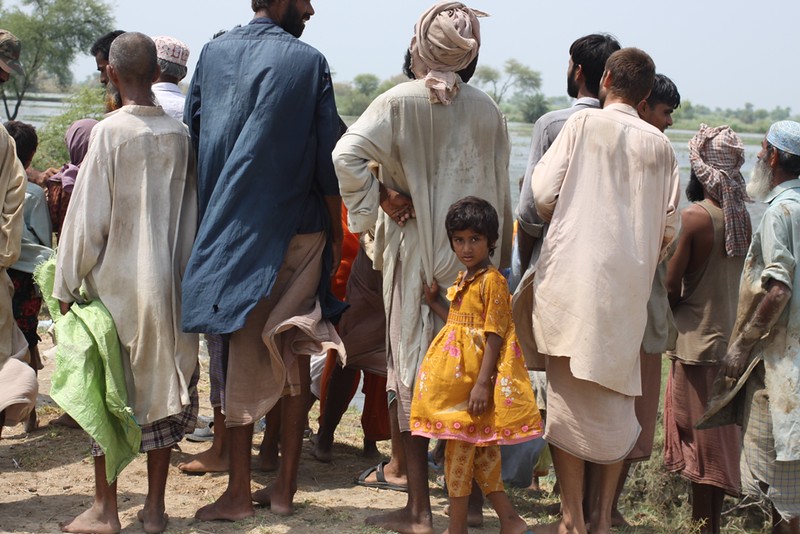
As COVID-19 wreaks havoc on the developing world, the World Bank estimates that there will be between 119 to 124 million additional people added to poverty due to economic standstills. Developing countries are at high risk of an increase in poverty, including Pakistan. The impact of COVID-19 on poverty in Pakistan is substantial, but the government and other organizations have been cooperating to minimize the impact.
COVID-19’s Impact on Pakistan
In Pakistan, to date, there have been more than 22,000 COVID-19 related deaths. Vaccination programs have experienced delays, with only about 2% of the population of Pakistan currently vaccinated. To receive the vaccine, residents pay around $78, a luxury that many Pakistanis cannot afford. Due to the U.K. strain, cases are rising again. However, government officials are hesitant to enforce a strict lockdown as they did in March 2020. Rather, the government utilized the popular “smart” or “micro” lockdowns, where only specific areas go into lockdown. However, limited data exists on the success rates of these strategies.
Pre-Pandemic Pakistan
Even before the pandemic, Pakistan’s health system had limitations. According to the United Nations Development Programme (UNDP), before COVID-19, Pakistan had a ratio of one doctor to 963 people and a lack of universal healthcare. Before the virus, the poverty rate in Pakistan declined by 40% over the last two decades. However, the economic impacts of the pandemic halted poverty reduction progress.
The Impact of COVID-19 on Women and Children
COVID-19 has impacted women and children in Pakistan more significantly than men. Due to the virus, these vulnerable groups are suffering several consequences. Children are one of the most vulnerable groups in Pakistan. In June 2020, nearly 42 million children were out of school, with 17 million children younger than 5 missing routine vaccinations.
According to the International Labor Organization (ILO), the shutdowns due to COVID-19 have disproportionately affected women, and in particular, the garment industry, which makes up a substantial part of Pakistan’s exports. In Pakistan, the majority of the population has employment within the garment industry, with approximately one in seven women working in this sector.
To rectify the bleak situation, the Pakistan Workers Federation and the Employers Federation of Pakistan issued a joint statement of cooperation and the government provided wage support. These efforts also included a “no lay off” order and an interest rate reduction for employers who retain their employees.
The Good News
While the situation looks bleak, the government and organizations are taking action to relieve the impact of COVID-19 on poverty in Pakistan. The U.N. Development Programme established a COVID-19 Secretariat at Pakistan’s Planning Commission in 2020 to facilitate the economic and social response to the pandemic in conjunction with U.N. agencies. The Secretariat supported the Pakistani government’s 2020-2021 budget and National Action Plan for COVID-19.
To alleviate the lockdown’s hardships in 2020, the government issued unconditional cash transfers of approximately $70 to 12 million vulnerable households to prevent food insecurity. To continue to support the most vulnerable population, Ehsaas, the federal social protection program, made extra payments to 4.5 million families. Under the Ehsaas Emergency Cash initiative, another 7.5 million households received monetary assistance.
Dr. Sania Nishtar, the leader of Ehsaas, said in an interview with Mckinsey, that Ehsaas “invested” heavily in time, money, energy and effort to build infrastructure, including an SMS-based request-seeking mechanism, which allowed for ease in eligibility determinations and digital payments.
The World Bank ranked Ehsaas as one of the top four social protection programs by coverage. In March 2021, the World Bank issued a statement supporting the program by approving $600 million to expand Ehsaas. The fund allocation will facilitate the expansion of the programs to reach more informal workers.
Looking Ahead
The impact of COVID-19 on poverty in Pakistan is significant, however, the government and organizations are working together to provide social protection to the most vulnerable groups and will continue to do so as vaccination rates increase.
– Lalitha Shanmugasundaram
Photo: Flickr
