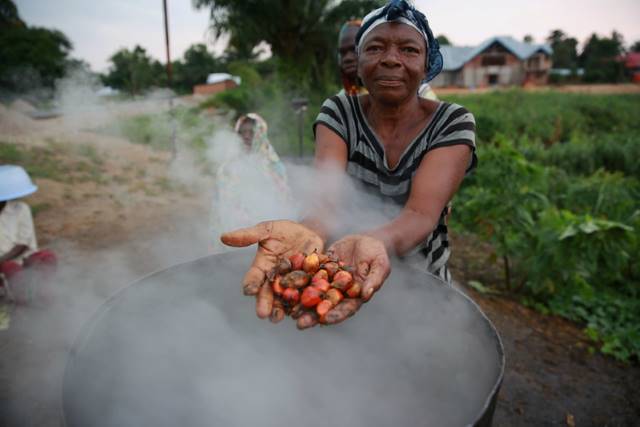
 About one in three people in the Democratic Republic of the Congo (DRC) suffers from acute hunger, warns both the Food and Agriculture Organization (FAO) and the World Food Programme (WFP). A WFP representative within the DRC states that the extent of food insecurity in the country is “staggering.” Armed conflict in the east, COVID-19 and economic decline are all contributing factors to the prevalence of acute hunger in the DRC.
March 2021 IPC Snapshot
The Integrated Food Security Phase Classification has released a snapshot of the state of acute food insecurity in the DRC as of March 2021. The snapshot estimates that about 27.3 million people living in the DRC are suffering from crisis levels (IPC Phase 3 or higher) of acute food insecurity. The IPC scale ranges from acceptable (IPC Phase 1) to catastrophe or famine (IPC Phase 5). Between August and December 2021, the snapshot projects that roughly 26.2 million will be in high acute food insecurity (IPC Phases 3 and 4). Furthermore, more than 5.6 million of these people will experience Emergency (IPC Phase 4) levels of acute food insecurity.
Organizations Provide Assistance
There are approximately 5.2 million internally displaced people (IDPs) living within the DRC as a result of an ongoing armed conflict. The conflict in the eastern DRC consists of roughly 120 different armed groups, each displacing people and preventing access to workable fields. The DRC has 80 million hectares of farmable land, of which, only 10% is currently being used. The farmable land in the DRC has the potential to feed more than two billion people.
Organizations like the WFP and the FAO are both working in the DRC to help the vulnerable populations suffering from food insecurity. The WFP is working in the seven most populated provinces affected by the ongoing conflict. Furthermore, the WFP has been working with other organizations like the FAO to provide an emergency response by aiding farmers in improving their self-sufficiency, yield and resilience to shock. The WFP also addressed malnutrition by providing specialized food to children under the age of 5 and pregnant and nursing mothers.
Other programs include providing meals to students to encourage school attendance, empowering women and rebuilding local infrastructure to decrease vulnerability to disease and conflict. The FAO has been working to restore agriculture-based livelihoods and diversify local agriculture by training farmers, providing livestock and teaching sustainable farming techniques.
The Future of the DRC
Armed conflict and erratic rainfall coupled with the ongoing COVID-19 pandemic have deteriorated the already difficult situation in the DRC. The number of people suffering from crisis level or higher acute food insecurity has risen from 21.8 million between July and December 2020 to 27.3 million people in the first half of 2021. The global humanitarian response to the ongoing crisis of acute hunger in the DRC has focused on strengthening agriculture in the country and combating malnutrition. The FAO is requesting $65 million in its 2021 Humanitarian Response Plan to continue supporting the Congolese people during their time of crisis. Continued humanitarian support is crucial to stabilizing the situation and ending acute hunger in the DRC.
– Gerardo Valladares
Photo: Flickr
 As the COVID-19 pandemic

 Merriam Webster
 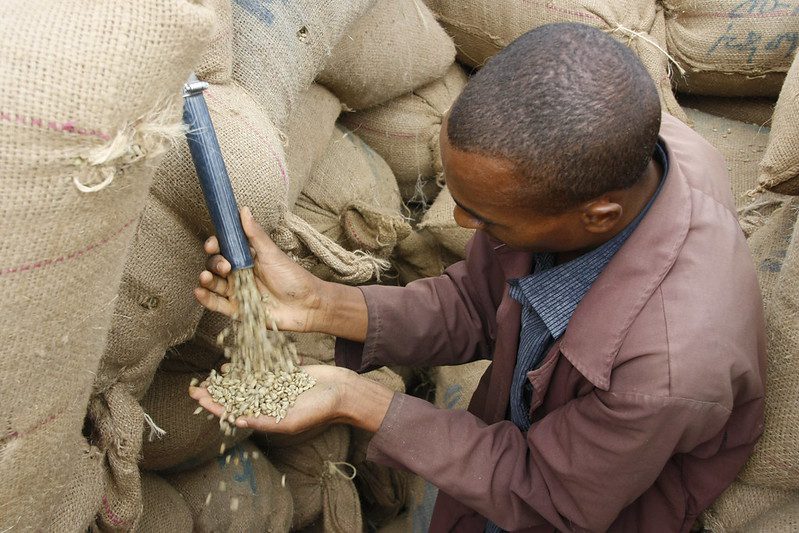 COVID-19 has disrupted trade markets throughout the world. Due to this, many are speculating that the world is in a state of “deglobalization.” Deglobalization is a term that holds two meanings. One propagates the idea that local manufacturers are in danger of foreign competition. The other describes “periods of history when economic trade and investment were in decline.” Moments of deglobalization include World War I, World War II and the 2008 financial crisis in the U.S. Both events led to economic downturns in many other countries, which led to periods of distrust toward globalization.
 Since the end of 2019, the spread and containment of the novel coronavirus have been on many people’s minds. Throughout the pandemic, it has become clear that money and access to the resources necessary to combat this virus are a privilege that not all countries can afford. However, the needs of impoverished countries in relation to the COVID-19 pandemic have not gone unheard. Various foundations, organizations and governmental leaders from developed countries have made efforts to combat the effects of COVID-19 in populations that need assistance the most. Here are five COVID-19 relief efforts in developing countries.
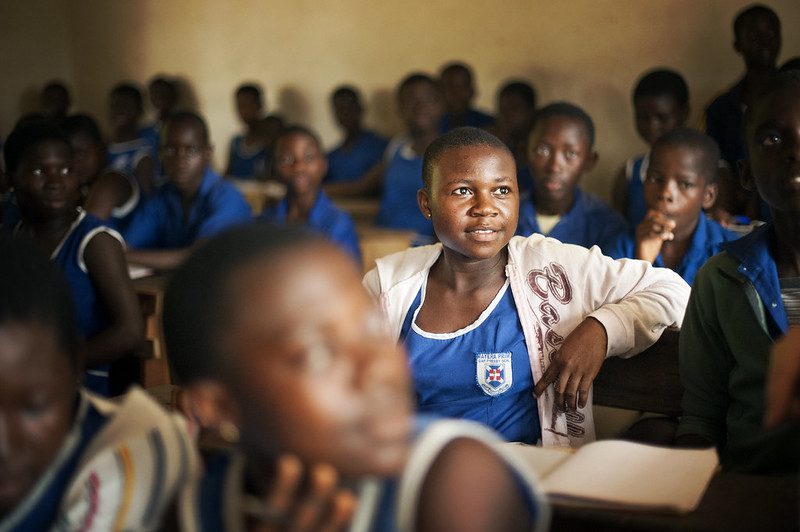 The World Bank is a global financial institution that provides funding to low- and middle-income nations to aid in development. Since its inception, the World Bank has always been focused on sustainable solutions to the problems facing developing nations. For many countries and organizations, COVID-19 has been a massive unexpected barrier to the progress being made. Through 2020 and into 2021, the World Bank has had to adapt its existing projects and new endeavors to operate with COVID-19 in mind.
 In August of 2019, Philippa Day, a young mother, was found in a coma in her Nottingham home. She had collapsed next to a
  Elizabeth Mpofu’s workday begins before dawn, rising at four in the morning to sweep her fields and check on her cattle. She proclaims that this quiet stretch, when it’s just her and the task at hand, is her favorite part of the day. Yet, when the sun rises, the enormity of the work ahead becomes apparent. In Zimbabwe, a country where