• Link to X
  • Link to Facebook
  • Link to Instagram
  • Link to TikTok
  • Link to Youtube
  • About
    • About Us
      • President
      • Board of Directors
      • Board of Advisors
      • Financials
      • Our Methodology
      • Success Tracker
      • Contact
  • Act Now
    • 30 Ways to Help
      • Email Congress
      • Call Congress
      • Volunteer
      • Courses & Certificates
      • Be a Donor
    • Internships
      • In-Office Internships
      • Remote Internships
    • Legislation
      • Politics 101
  • The Blog
  • The Podcast
  • Magazine
  • Donate
  • Click to open the search input field Click to open the search input field Search
  • Menu Menu

Archive for category: Global Poverty

Key articles and information on global poverty.

Global Poverty

4 Neglected Tropical Diseases Eliminated in Togo

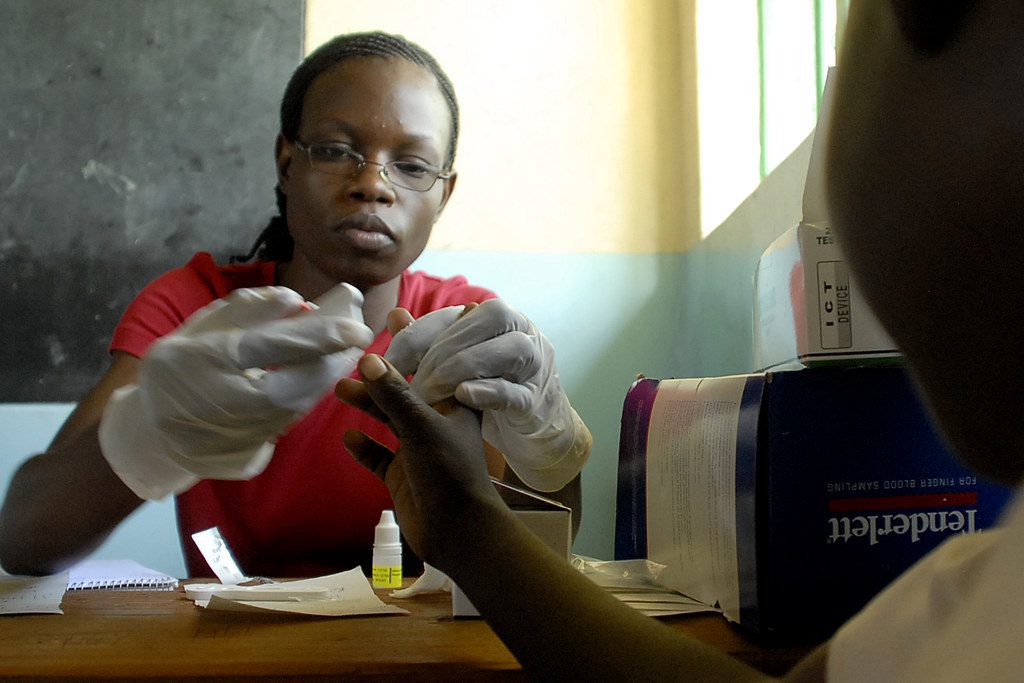
Neglected Tropical Diseases in TogoNeglected Tropical Diseases (NTDs) tend to prosper in underserved regions, where water quality, sanitation and access to health services are inadequate. NTDs mostly affect the poor and excessively women and children. In Togo, NTDs affect all 40 districts, and about 6 million people have been at risk of contracting at least one illness.

Efforts to Eliminate Neglected Tropical Diseases in Togo

Togo eradicated four diseases within 11 years; from 2011 to 2022. It eliminated dracunculiasis (guinea worm disease) in 2011, elephantiasis (lymphatic filariasis) in 2017, human African trypanosomiasis (sleeping sickness) in 2020 and trachoma in May 2022. The Togolese Ministry of Health has been working with Health and Development International and USAID to end these diseases. Effective measures included:

  • Mass drug administration (MDA) via door-to-door drug distribution,
  • Building awareness about NTDs and treatment via village criers or religious leaders,
  • Training health care workers; and
  • Ensuring adequate drug supply

Additionally, many partnerships and funding have contributed to the success of Togo’s control and elimination of these NTDs. USAID has provided funding for more than nine years through Health & Development International (HDI) and assistance from Family Health International (FHI360). Some other donors are the Liverpool School of Tropical Medicine, Mectizan Donation Program, Sightsavers, The Task Force for Global Health, UNICEF and WHO. The U.S. also provides additional support by enacting a bill called “End Neglected Tropical Diseases Act,” in 2019. This piece of legislation ensures further aid and research efforts to End NTDs in the most vulnerable places across the globe.

Positive Impact on Poverty Reduction

The elimination of these four NTDs indicates significant progress toward healthier life not only for the Togolese but for the poor in the world. Most of NTDs involve considerable suffering and disability. They prevent children from going to school and adults from being able to work. Then the cycle of poverty never ends.

For example, guinea worm disease which usually causes pain and blisters in people’s legs has a long recovery period after surgery. Lymphatic filariasis is a parasitic infection, transmitted via bites of an infected mosquito. It affects human lymphatic vessels and causes severe swelling of arms, legs and scrotum. This makes a person unable to ambulate or join church due to disfigurement. If someone is infected with trachoma, they are at risk for vision loss. Repeated infection can severely scar the inside of the eyelid and result in constant pain and light intolerance. If people do not receive treatment, it leads to blindness. Now, the poor, including the Togolese, have more hope to live without going through the pain, stigma, social isolation and disability caused by these diseases.

Final Thoughts

It is exciting that Togo becomes the first country in the world to eliminate four Neglected Tropical Diseases (NTDs). This achievement not only improves the well-being of citizens across the country but also lightens the burden on public health. Still, there are other NTDs that pose significant health risks in Togo and other low-income countries. A few of the diseases are onchocerciasis (river blindness), schistosomiasis and soil-transmitted helminthiasis. Hopefully, with Togo’s continued effort to tackle NTDS, coupled with support from international agencies like USAID, these diseases can also be eliminated sooner rather than later.

– Naomi Kang
Photo: Flickr

December 3, 2022
https://borgenproject.org/wp-content/uploads/borgen-project-logo.svg 0 0 Jennifer Philipp https://borgenproject.org/wp-content/uploads/borgen-project-logo.svg Jennifer Philipp2022-12-03 11:36:262024-05-30 22:30:354 Neglected Tropical Diseases Eliminated in Togo
Global Poverty

Bulgarian Protesters Fighting for Raised Minimum Wages

Bulgarian Protesters
In mid-November 2022, Bulgarian protesters took to the streets outside the Balkan country’s Parliament building to fight for a livable minimum wage. Increasing inflation sparked the movement, and fears of minimum wage freezes prompted Bulgaria’s two largest employee unions to begin protests calling for raises in the minimum wage. The protests started right before winter because many are experiencing energy poverty and cannot afford to heat homes. Without an increase in the minimum wage, Bulgaria could have thousands, if not millions of its citizens, drop into energy poverty and lose its stance in the “eurozone.”

Bulgarian Minimum Wage

Bulgarian protesters are tackling the issue of minimum wage outside the Parliament building because the minimum wage is crushing the lower classes. Bulgaria has one of the lowest minimum wages in Europe. Bulgaria’s minimum wage is not keeping pace with the continuously-rising inflation, as inflation has effectively outpaced the national wage increases. The minimum wage stands at BGN710 or €362 per month. However, despite the pay increases, due to the amount of taxes taken out of most minimum wage earners’ pay, they only take home about €281.

By 2020, the poverty rate in Bulgaria reached 22.1%. The updated figures show the actual number of Bulgarians in poverty is likely much higher. About 35% of Bulgarians are considered the “working poor,” according to Radio Bulgaria. To be “working poor” one must have a job, work 27+ weeks a year, in the labor force, but still fall below the poverty line. The term “working poor in Bulgaria refers to those supporting themselves on minimum wage.

Bulgaria’s working poor have no way out of their poor status as long as the minimum wage remains as low as it is. With the inadequate pay, many Bulgarians fear the costs of living, specifically energy costs, might increase and force them into “energy poverty.”

Bulgaria’s Energy Poverty

Energy poverty is the lack of access to modern energy sources and services. It is one of the main causes of Bulgarian protesters taking to the capital. Energy poverty is one of the dominant challenges the Bulgarian government has faced since the Parliamentary and presidential election of 2021, as it is one of the poorest energy nations in Europe. In 2020, 27.5% of Bulgarian homes did not have adequate heating and 22.2% of Bulgarian homeowners and property renters were late or in debt due to overwhelming energy bills.

Bulgaria depends on Russia for 75% of its gas, making it one of the nations most reliant on Russian gas. The European Union held off on implementing the same bans on Russian oil that the U.S. did, but Russia slashed its gas exports and EU members scramble to seek alternate natural gas providers. The oil pipeline transporting Russian gas and oil to Eastern European nations, including Bulgaria, will remain open but with limited quantities. The minimal gas imports are likely to cause gas prices to soar again. Prices have been fluctuating wildly. The EU is in talks to set a cap on Russian gas prices, which the EU will decide on by December 5, 2022.

Until the EU sets that cap, though, Bulgarians dependent on Russian gas while only earning minimum wage will continue to struggle. Fears of living in energy poverty are motivating Bulgarian protesters as they head into the region’s coldest months of the year.

Protests and Their Implications

Bulgarian protesters are led by the nation’s top two labor unions. Bulgaria’s labor unions are a force to be reckoned with and are responsible for a significant number of Bulgaria’s workforce. Around 15% to 17% of Bulgaria’s workforce is involved with labor unions. Nationwide, there are two dominant labor unions, with countless smaller unions covering various employees and their protective needs.

Bulgaria is a member of the EU and is on its way to being a member of the “eurozone.” To be a member of the zone, one must meet four critical criteria: price stability, sustainable public finances, an inflation rate that is not more than 1.5 percentage points higher than the rate of the three best-performing member states, and exchange-rate stability. Bulgaria met the criteria required to join the eurozone, which should go into effect on January 1, 2024. However, with inflation continuing to rise and a lackluster minimum wage impacting the economy, Bulgaria could lose its spot in the eurozone.

Bulgarian protesters are calling for Parliament to raise the minimum wage before an economic freeze takes hold, Al Jazeera reports. Should a freeze happen, the minimum wage will remain low in the current inflation crisis, and the government will lose its spot in the eurozone. Without an increased minimum wage, Bulgaria’s economy will not have the proper structure to lift its poor citizens out of their financial danger.

Ending poverty for Bulgarians is possible, especially if the government raises the minimum wage, and the efforts to reach this goal earned the attention of the World Bank’s International Development Association (IDA). Bulgaria joined in November 2021, a recent but significant change. The IDA has granted $458 billion to 114 countries through grants with 0% interest. The funds go to programs that decrease poverty and improve the economic status of a nation. Joining the IDA is symbolic of Bulgaria’s progress away from the title of “developing.” Bulgaria’s economy is improving, but inflation and a lower minimum wage could halt any potential improvements. With the IDA’s assistance and a raised minimum wage, Bulgaria has a phenomenal chance of securing those better futures.

– Clara Mulvihill
Photo: Flickr

December 3, 2022
https://borgenproject.org/wp-content/uploads/borgen-project-logo.svg 0 0 Naida Jahic https://borgenproject.org/wp-content/uploads/borgen-project-logo.svg Naida Jahic2022-12-03 07:30:382024-05-30 22:30:33Bulgarian Protesters Fighting for Raised Minimum Wages
Global Poverty, Women's Empowerment

Empowering Women in Bangladesh

Empowering Women in Bangladesh
Women are pushing for representation in many fields, including education, technology, architecture, fashion, health care, journalism and sports. Every year, an increasing number of female entrepreneurs enter the market and significantly contribute to the global economy. Women’s enterprises in Bangladesh are gradually developing to have a similar stream of development potential. However, women in entrepreneurship are not as prevalent in Bangladesh, where women own just 7.2% of all businesses.

Nevertheless, the situation is slowly evolving, and more Bangladeshi women are entering the corporate sphere as leaders, opening the path for thousands of others by motivating and mentoring them. One of the recent highlights of this development was the Women Entrepreneurship Training Program by BRAC University, called Venture Maestras. The initiative aims to promote gender equality and empower women entrepreneurs, in line with the U.N.’s fifth Sustainable Development Goal (SDG). The Venture Maestras Program gives theoretical underpinnings and techniques for tackling business challenges that women encounter and a practical understanding of the real-world market. Here are more details about how Venture Maestras is empowering women in Bangladesh.

The Program’s Mission

This program’s purpose is to make significant contributions to empowering women in Bangladesh. Additionally, the future vision is to achieve gender equality and sustainable, long-term prosperity for the nation and its global status. Venture Maestras has three core objectives. Firstly, it is empowering women entrepreneurs in Bangladesh by offering information, skills and training to enrich their competence. It also works on providing continuous support services for various projects that participants undertake and doing research to promote gender equality and the long-term well-being of all Bangladeshis. Moreover, the program focuses on creating awareness of opportunities in business fields and motivating women to engage in such activities.

A Vision Beyond the Program Itself

Bringing awareness and equality in a closed-door room does not help much when it concerns the entire nation. It takes tremendous effort to grow the network to a size where it is able to spread the word to every corner of the country. As a result, the program works on building an effective network between established women entrepreneurs, which helps the women share their knowledge and aid. Secondly, it includes significant research and case studies on economic and social issues that affect many women entrepreneurs in Bangladesh. These studies help innovate business ideas and bring solutions to decades-old problems. Finally, all the connections with public, private and non-government organizations help to reach a broader audience.

How the Program is Managed

The pilot program starts with an orientation where the participants can engage in discussions with successful female entrepreneurs. Subsequent sessions cover the business canvas model and entrepreneurial skills, including HR management, digital marketing and many legal aspects. The program also includes loan and financial management lessons. At the end of the program, participants present their business proposals to a panel of experts for evaluation. The program doe not include any special requirements other than a high school level education and the intention to start or manage one’s own enterprises. After the program ends, the top three finalists receive 100,000 BDT as an award, which is roughly $1,000 USD.

According to the BRAC Business School, the participants greatly benefited from the program’s offerings. According to the survey, entrepreneurs found some training sessions more effective than others, with training in the business canvas model, marketing and digital marketing being the top choices. Without entrepreneurial support, the country will fail to see any industrial breakthrough – even when there is technical progress. However, with these kinds of programs and training, Bangladesh can become a strong participant in the global market.

– Zahin Tasnin
Photo: Flickr

December 3, 2022
https://borgenproject.org/wp-content/uploads/borgen-project-logo.svg 0 0 Naida Jahic https://borgenproject.org/wp-content/uploads/borgen-project-logo.svg Naida Jahic2022-12-03 07:30:182022-11-30 00:40:03Empowering Women in Bangladesh
Child Poverty, Global Poverty

5 Facts About Child Poverty in Chad

Child Poverty in ChadThe nation of Chad is a victim of extreme poverty with a national poverty rate of 42% as of 2018. The impact of poverty in Chad is widespread, leaving innocent children born into these unfortunate circumstances extremely vulnerable. This article will outline five key facts to know about child poverty in Chad.

5 Facts about Child Poverty in Chad

  1. Population: As of 2021, 46% of Chad’s population was aged between 0 and 14 years, making it one of the world’s youngest populations. While a young population can be an opportunity for economic growth because of a plentiful supply of potential workers for the future, there are also drawbacks. For one, a more youthful population means that a large proportion of the population has a high dependency on their elders. Many children rely on a few adults to provide for their needs. As an impoverished country, the little resources that are available are inadequate. Moreover, young children should be gaining their education but families cannot afford to not let the youth work. In addition, a younger population will result in a future population increase due to greater rates of procreation.
  2. Education: The PASEC 2014 found that the rate of illiteracy among the youth in Chad was approximately 70%. When looking at women aged 15-24, this number jumps to 77%. Furthermore, 34.3% of children aged 6-11 are out of school and more than 800,000 aged 9-14 do not go to school at all. These statistics are alarming as a lack of education limits the youth’s likelihood of future success and their chances of breaking out of the cycle of poverty. Humanitarian crises in Sudan, the Central African Republic and Nigeria impacted Chad’s failing education system, leading to over 600,000 refugee children also needing schooling in Chad. It is also important to acknowledge that three out of four pupils that do have access to schooling are supervised by teachers whose highest level of education does not go above secondary school because of Chad’s minimal access to higher education, technical education and professional training. However, there are projects that intend to rectify this problem. The Chad Improving Learning Outcomes Project aims to increase access to primary education. Its work seeks to simultaneously boost access to schooling while also increasing the quality of teaching in reading, writing and numeracy. The World Bank estimates that 2.8 million students enrolled in public primary schools will benefit from an increase of 31,500 teachers and staff. Roughly 3.2 million students overall will experience these benefits firsthand.
  3. Child Labor: The economic difficulties that families face in Chad mean that many children are forced to work to help provide for their families. Not only does this mean missing out on their right to an education, but these children are also subject to harsh conditions. The children of Chad often experience the worst forms of child labor such as cattle herding and domestic work, which sometimes leads to human trafficking and further exacerbates child poverty in Chad. They work long hours with little pay and no food while also facing threats of abuse, discrimination and prostitution. Organizations such as UNICEF continue to support child protection systems to try to prevent the violence, abuse and exploitation that many children face.
  4. Child Marriages: Chadian children are not only victims of the workforce but also subject to early marriage. In goal 5.3 of the Sustainable Development Goals, Chad committed to eliminating child, early and forced marriage by 2030. The nation also adopted the co-sponsored 2015 Human Rights Council Resolution and the 2013 U.N. General Assembly Resolution on child marriage. However, these attempts have not yet eliminated the practice of marrying off young girls. The legal age of marriage is 15 for girls but in customary law, it is 13 years, which goes against the International Convention on the Rights of the Child. According to the 2015 EDS MICS report, 70% of girls under 18 and 29% of girls under 15 are married. It comes as little surprise then that Chad has the third highest rate of child marriage in the world. Religion and displacement are at the center of child marriage in Chad. Preventing child marriage is also another benefit of boosting education in Chad because of the correlation between higher education levels and later marriage.
  5. Health Care: Access to health care in Chad poses one of the most substantial challenges to Chadians. According to UNICEF, 2.7 million children in Chad are currently facing malnutrition. This is largely a result of internal displacement and environmental conditions depleting crop harvests, leading to increased food shortages. Additionally, due to a lack of sanitation, drinking water and health care in rural areas, roughly 209 of every 1,000 children die annually. Diseases such as pneumonia are primary causes of child mortality, and work towards increasing the number of vaccinations is occurring. In 2021, the proportion of children who had received three doses of vaccines against diphtheria, tetanus and pertussis increased to 58% – up from 50% in 2019.

Child poverty in Chad continues to run rampant with the youth facing harsh conditions, unfair lifestyles and limited health care. Child poverty is not only a breach of human rights but it also strips children of their innocence and forces them to grow up too quickly.

– Ruby Wallace
Photo: Flickr

December 3, 2022
https://borgenproject.org/wp-content/uploads/borgen-project-logo.svg 0 0 Jennifer Philipp https://borgenproject.org/wp-content/uploads/borgen-project-logo.svg Jennifer Philipp2022-12-03 01:30:592022-11-29 09:45:395 Facts About Child Poverty in Chad
Gender Equality, Global Poverty

3inaya Project Promotes Gender Equality in Morocco

Gender Equality in MoroccoNGO Santé Sud launched the 3inaya project with the aim of promoting sexual health care and gender equality in Morocco, as well as changing attitudes in the country. Santé Sud is a French organization working in France and internationally, promoting access for all to quality health care. It assists local organizations to improve long-lasting health care systems and restructuring. The 3inaya project is currently projected to run from 2022 to 2024 and has already begun to make strides in improving training and support for victims of gender-based violence.

Gender Equality in Morocco

Regarding the current situation of gender equality in Morocco, Franceline Toe Bouda, Committee Expert and Reporteur commended the country for making progress in accord with their Family Code. However, it was also “noted that the maternal mortality rate in rural areas (over 100 deaths per 100,000 births) was far higher than in urban areas (around 11 per 100,000).” This signifies that there are still areas of improvement in women’s health care and that whilst making strides in urban and more metropolitan areas, more emphasis is necessary in rural areas.

Gender-based violence is sadly prevalent in Morocco, with a report that the High Planning Commission published stating that “the number of victims who experienced at least one act of violence fell from 63% to 57% between 2009 and 2019,” despite being a drop is still a very high statistic. The survey looked at women aged 18 to 64 years, however, didn’t review cyber-harassment or violence.

In 2018, the Moroccan Ministry of Education focused on promoting gender equality by supporting the implementation of a Medium-term Strategic Action Plan. The plan aimed to normalize gender equality in the Moroccan education system through “the dissemination of a positive and objective image of women through the diffusion of knowledge” and “the adoption of a quota for female representation greater than or equal to 30% (aiming for parity) in the statutes and laws governing both education and trade unions” among other goals.

How Will the 3inaya Project Help?

The 3inaya project aims “to promote gender equality and sexual health through educating and raising awareness among individuals.” This strategy extends not only to women but also men and young people to change social norms.

President of LDDF-Injad Network, Najia Tazrout has expressed her desire for widespread education, “arguing that violence against women remains persistent” and “that there is a sense of “normalization and justification” of violence in the country,” Morocco World News reports.

The main action points of the 3inaya project are to train teachers to be able to identify violence toward victims by creating training modules on “sexual health, rights and gender” in higher education such as universities. They have also decided to train health professionals such as nurses and doctors to be able to identify, screen, and care for women victims of violence. Additionally, they intend of training health professionals and social workers in psychological support for sexual assault survivors.

So far, the program has supported “4,500 women and child survivors” of gender-based violence. The project has also trained “12 CSOs from the Réseau Femmes Solidaires, 60 teachers, 90 health professionals, six social workers and the media,” according to Santé Sud.

Improvements and changes that Santé Sud has been making through the 3inaya project promise to show results and make a significant difference in gender equality in Morocco and how the country approaches reducing gender-based violence and stigmatization of victims.

– Priya Maiti
Photo: Flickr

December 3, 2022
https://borgenproject.org/wp-content/uploads/borgen-project-logo.svg 0 0 Naida Jahic https://borgenproject.org/wp-content/uploads/borgen-project-logo.svg Naida Jahic2022-12-03 01:30:242024-05-30 22:30:323inaya Project Promotes Gender Equality in Morocco
Global Poverty

5 Charities Assisting Flood Victims in Nigeria

Assisting Flood Victims in Nigeria
Nigeria is a country in West Africa with a population of more than 210 million people. It is the most populous country in Africa and boasts one of the largest economies in Africa. Since September 2022, Nigeria has faced devastating floods that damaged Nigeria’s infrastructure and led to dire humanitarian consequences. These floods stand as the most destructive floods that Nigeria has experienced in more than 10 years. The floods have led to more than 600 deaths, more than 1 million displacements and thousands of injuries. Below are five charities assisting flood victims in Nigeria.

5 Charities Assisting Flood Victims in Nigeria

  1. International Rescue Committee (IRC). The IRC is a global relief agency that has been providing aid to Nigeria since the country’s previous extreme flooding event in 2012. The organization is committed to helping people in poor and vulnerable countries amid conflict and disasters. The IRC specifically supports Nigerians by providing them with food, water, shelter and health services. Nigeria has experienced large cholera outbreaks and an increase in preventable diseases as a result of the floods. In October 2022, the IRC helped Nigerians by providing hygiene and sanitation resources and health programming to stop the spread of these diseases. The IRC has also established three offices in Northeastern Nigeria to expand its crisis response efforts within the country. With more funding, the IRC can reach even more disaster victims in Nigeria.
  2. UNICEF Nigeria. This charity supports children in Nigeria who experience issues that stem from poverty including disease, violence and environmental disasters. Flooding in Nigeria has caused communities, such as those within Bayelsa State, to lose their homes, schools and other essential infrastructure. UNICEF has supported the Nigerian government’s response in three flood-affected states. UNICEF’s response includes “cash assistance, distribution of cholera kits, government-led mobile health teams, temporary learning centers [and] learning kits” the UNICEF website reports. With more support, this organization can scale its efforts and provide critical supplies, including medication, to those who need it the most.
  3. Save the Children Nigeria. For more than 20 years, the organization has supported vulnerable Nigerian children and their families. A November 2022 press release highlights Save the Children’s assistance to flood victims across several countries. In Nigeria specifically, Save the Children is providing flood victims with “life-saving food, safe drinking water, cash assistance, mattresses, blankets, mosquito nets, child protection services and emergency shelter kits,” according to the press release. The organization is assisting 36,000 children and 18,000 families in six of those most affected states.
  4. Nigerian Red Cross Society. This organization came about in 1960 through a parliamentary act. The organization helps vulnerable Nigerians facing “disaster, epidemics, armed conflicts” and other issues that bring humanitarian consequences. The Nigerian Red Cross announced an emergency appeal for funding in early November 2022 to raise more money for victims of Nigeria’s recent floods. This aid would support victims across Nigeria on a large scale. The charity has already mobilized more than 10,000 volunteers and hundreds of staff members to assist with “evacuation, camp management and relief activities.”
  5. United Nations Office for the Coordination of Humanitarian Affairs (OCHA). This United Nations body is dedicated to coordinating and strengthening international humanitarian responses to disasters. The OCHA facilitates effective responses to global emergencies, such as the floods in Nigeria, by mobilizing support and funding for affected nations. OCHA’s humanitarian coordinator in Nigeria has called for more support from the international community regarding flood relief efforts in Nigeria as well as a more coordinated effort to mitigate climate-related disasters.

Looking Ahead

These five charities assisting flood victims in Nigeria work to provide essential resources and aid to people who need help. Through their work into the future, flooding victims in Nigeria should be able to continue receiving support.

– Dylan Priday
Photo: Wikimedia Commons

December 2, 2022
https://borgenproject.org/wp-content/uploads/borgen-project-logo.svg 0 0 Kim Thelwell https://borgenproject.org/wp-content/uploads/borgen-project-logo.svg Kim Thelwell2022-12-02 07:30:472024-05-30 22:30:345 Charities Assisting Flood Victims in Nigeria
Global Poverty

India’s First Solar-Powered Village

India’s first solar-powered village
In October 2022, Indian Prime Minister Narendra Modi announced Modhera as India’s first solar-powered village. Despite being a small remote village in Gujarat, residents within Modhera are now living a higher quality of life due to technological advancements. Modhera is well-known for its Sun Temple, located on the bank of the Pushpavati river. However. now, with a modern twist, the village will also be famous for its solar-powered grid. “Whenever there will be talks of solar power, Modhera will be the first name to emerge,” said Modi, according to The Tribune India.

According to the World Bank, 98.5% of India’s rural population had access to electricity in 2020. However, high costs of electricity make power unaffordable for low-income households. However, in Modhera, the solar-powered grid allows a cost-effective electricity supply for villagers.

Benefits of India’s First Solar-Powered Village

This solar project in Modhera received financing from the federal and provincial governments of about $10 million. The funding provided more than “1,300 rooftop panels for residential houses and government buildings.” Modhera has solar panels installed on the roofs of dwellings, education facilities, bus stops, parking lots and even the Sun Temple grounds. The solar power grids provide for daily needs, even after dusk, and also provide a surplus that can be stored for future use.

When the generated electricity from solar power outweighs the amount used by the residents, residents can sell extra unconsumed electricity to power utility companies. In this way, the government helps the residents to earn additional income. Besides having to pay little to nothing for electricity bills, the residents greatly benefit from the income arising from selling surplus electricity.

Stable electricity has allowed many to strengthen their livelihoods by increasing productivity in the workplace. For instance, a part-time tailor, Reena Ben bought an electric motor worth about $25 to run her sewing machine, Euronews reported. The abundance of solar power electricity allows her to sew a few more items of clothes every day. Through the additional income from selling extra electricity, another tailor, Praveen Bhai, plans to buy a gas line and stove to upgrade from the wood-fired stoves that produce excessive smoke and reduce the air quality.

Local farmers are greatly benefiting from low electricity bills and can now save that money or put it toward education endeavors or other living costs. Kailash Ben, who earns a small income through farming, saves around 2,000 rupees($25) every month, which she uses for daily expenses and her children’s education.

Looking Ahead

For Gujarat, India’s first solar-powered village Modhera represents progressive steps toward sustainability and self-sufficiency. Modhera is India’s first solar-powered village, but it is certainly not the last. Every resident benefits in a multitude of ways from solar power grids. Even the famous Sun Temple, which is dedicated to the Sun God, now relies on solar power to run its 3D light shows, light up premises and provide electric vehicle charging stations. By incorporating technological advancements to keep its centuries-old cultural monument functional and provide electricity to all, the village is one step closer to achieving self-sustainability. Now Modhera is a role model for neighboring villages, cities and many other nations. The solar-powered village not only lights the path for a green India but also raises the quality of life for citizens.

– Zahin Tasnin
Photo: Flickr

December 2, 2022
https://borgenproject.org/wp-content/uploads/borgen-project-logo.svg 0 0 Kim Thelwell https://borgenproject.org/wp-content/uploads/borgen-project-logo.svg Kim Thelwell2022-12-02 07:30:262022-11-28 14:50:53India’s First Solar-Powered Village
Global Poverty

Upcycle Africa: A Green Initiative to Reduce Poverty

Upcycle Africa
Upcycle Africa is an organization focused on re-orienting and re-educating African communities towards a greener future. Through the process of upcycling, a community can reduce its waste accumulation by transforming useless products, materials or energy into something functional. Sustainable development is a well-known concept that involves achieving economic growth in the long term. Upcycle Africa is proof that the goals of a greener industry and profitable entrepreneurship are not mutually exclusive.

Waste Crisis in Africa

Waste management in Africa has been a problem since the rise of industrialization and urbanization. The uncontrolled accumulation of waste in both urban and rural areas continues to skyrocket as the population continues to increase. The African population is the fastest growing among all continents, with an annual growth rate of roughly 3.5%. The growing number of people puts more pressure on waste management efforts because of inadequate infrastructure across a large portion of the continent.

Moreover, Asian countries such as China have banned plastic dumping in their own countries so Africa has become the new destination for waste trade. Countries like Kenya and Senegal received 1 billion tons of waste when China banned waste trading. The main problem with waste in Africa is that waste collection and proper treatment are often insufficient – more than half the waste generated is not collected. Africa has 19 of the 50 largest uncontrolled dumpsites where waste is regularly burned and poorly manipulated. People living nearby have to dig through the waste to make a living and are living with constant exposure to dangerous health risks. Prolonged exposure can result in the development of diseases such as asthma, tuberculosis and diabetes.

Sustainable Development is the Answer

Eradicating poverty sustainably has become a priority even though traditionally, the idea was that the least developed countries (LDCs) could not afford to develop their economies without polluting. Over the years, a shift in mentality has led to the acceptance of greener economies and practices. Many have come to the realization that there will be no future economy in case of mismanagement and overuse of the environment and its resources. This is especially true in Africa, where 15% of the continent’s GDP is agriculturally based. Hence, the livelihood of millions of people depends on the preservation of the African natural environment. Waste management is essential for sustainable development; it not only leads to the collection of waste but also prevents further damage to the environment.

Upcycle Africa in Action

Upcycle Africa’s goal is to transform waste-related problems in Africa into employment opportunities. To achieve this it focuses on three programs.

The first, Zero Waste Campaign, addresses the principal problem of waste accumulation in African countries – waste pollution. Upcycle Africa believes that to achieve more effective results, the emphasis should be on specific communities. Understanding how waste can be economically beneficial can be difficult, so improving education is one of the core objectives of the program.

The second program, Waste to Wealth, focuses on cleaning up spaces and encouraging the population to embrace these practices while rejecting the uncontrolled dumping of waste.

The third program, Business Development, is all about green entrepreneurship. A transition to a greener economy starts with initiatives that focus on providing sustainable products and services as well as greener production processes. Upcycling is the perfect way to start this transition, as it transforms a huge pollution problem into a source of job creation.

One of the most successful projects Upcycle Africa has undertaken is the building of houses with plastic bottles in Uganda. Uganda’s rapid population growth makes it difficult to ensure decent housing for everyone. Through this initiative, Upcycle Africa has managed to educate communities about the importance of protecting the environment while also creating something useful. The constructed houses are affordable and highly resistant to earthquakes. In 2021, Upcycle Africa also announced their partnership with Engineered Waste to Energy Solutions for the World (E.S.E.S), an organization committed to generating energy from waste.

Through these initiatives, Upcycle Africa is one step closer to transforming waste collection into an economically beneficial practice in LDCs.

– Carla Tomas
Photo: Wikimedia Commons

December 2, 2022
https://borgenproject.org/wp-content/uploads/borgen-project-logo.svg 0 0 Naida Jahic https://borgenproject.org/wp-content/uploads/borgen-project-logo.svg Naida Jahic2022-12-02 01:30:342022-11-28 08:06:41Upcycle Africa: A Green Initiative to Reduce Poverty
Development, Economy, Global Poverty

Honey Pride Arua and Its Effect on the Local Economy in Uganda

Honey Pride Arua
Honey Pride Arua, a private organization started in 2015 by Sam Aderubo offered an innovative approach to inclusive economic development across the region of Arua, Uganda. Specializing in honey, the organization aims to construct sustainable markets for beekeeping and production, alongside raising awareness amongst local farmers of the commercial potentials of beekeeping.

A comprehensive program offers education on all aspects of beekeeping and the honey production process, from apiary management to the packaging and distribution of goods. Through this, the organization enables existing local farmers and anyone with a desire or interest to enter into beekeeping to convert their hobbies into economic output, sustaining themselves and their families.

The Effects

As Betty Ayikoru, a local beekeeper and councilor outlined beekeeping benefits communities in more ways than selling honey. Honey Pride Arua has grown commercially in the scale of operations and income, but what is more significant is the effect this has on the surrounding community and stakeholders.

Today working with more than 1,700 farmers – 30% women and 60% youth, the organization makes emphasis on targeting marginalized members of the community. A holistic and immensely effective approach in addressing local unemployment by gearing their project to those in the community most likely to be unemployed, or equipped on average with lower prospects.

Honey Pride is also noted for the inclusion and support of refugees in economic activity for local development. Arua, in Northern Uganda, is a region largely populated with refugees compared to other parts of the country. Honey Prides’ inclusivity played a key role in gaining external funding from the United Nations Capital Development Fund (UNCDF).

Stable markets offer stable incomes and Honey Pride’s activity has helped local farmers put children through school, financially sustain households and their families, as well as offering a nutritious element to their diet, according to a U.N. News podcast.

Previously it was difficult to find a reliable market with stable prices to sell one’s honey in Arua. However, prospects for beekeepers have drastically changed since Honey Pride entered the industry. Delivering on one of its central tenets, a stable honey market has emerged across the region. A kilogram of honey in 2015 was worth 3,500 Ugandan Shillings, today the market price is around 7,000 Shillings per kilogram. Encouraging statistics motivates many young members of the community to venture into beekeeping.

Another noteworthy aspect of Honey Pride’s operations is the efficiency of its practices. The organization works to eliminate waste by offering excess produce and residue to the community to fertilize local gardens and land, as well as feed livestock, according to a U.N. News podcast.

Investment

The most significant challenge to the organization has been financial. As Sam Aderubo himself states in the podcast, “finance is the lifeline of a business.” The organization in its early years, like most small Ugandan businesses, was unable to get investment from commercial banks. Aware of its social impacts and inclusivity practices focused on a community-benefit model, the UNCDF found a worthy beneficiary, investing over $117,000 to help Honey Pride Arua reach a certain threshold at which it will begin to attract investment from larger commercial banks and private equity firms.

This came in the form of loans for processing equipment and operations, alongside technical assistance and support in designing a sustainable and viable business model. Through these efforts, Honey Pride procured the likes of professional filtering equipment, an electric honey press for the extraction process and eight honey settling tanks each with a capacity of 1,000kg, UNCDF reported.

A direct impact of such measures saw a substantial increase in output from three to five tonnes per month post-investment, which, according to UNCDF, in 2021 amounted to a monthly increase in income by over $8,000.

Following the successful implementation of these loans in growing the organization, in the case of Honey Pride, several private equity firms have since displayed an interest in investing, offering a blueprint for further upscaling and aligning the company for greater success in the future, according to the U.N. News podcast.

What the Future Holds

Further expansion and entry into new markets is the next step for Honey Pride, having met international standards with its product. With increases in output and income, Honey Pride can begin to invest more in outreach and marketing, further consolidating the stability of local markets in addition to developing foreign ones as well.

Looking ahead, Honey Pride Arua aims to implement a program to equip local farmers or those with a desire to venture into beekeeping with the required equipment and facilities. This way, it is helping to establish more local beekeeping businesses that return on the investment they received from Honey Pride through their yield. An innovative, circular model of business. As Honey Pride grows commercially, its inclusive practices and reach spread, benefiting ever greater numbers of people.

– Bojan Ivancic
Photo: Unsplash

December 2, 2022
https://borgenproject.org/wp-content/uploads/borgen-project-logo.svg 0 0 Naida Jahic https://borgenproject.org/wp-content/uploads/borgen-project-logo.svg Naida Jahic2022-12-02 01:30:262022-11-28 08:25:37Honey Pride Arua and Its Effect on the Local Economy in Uganda
Charity, Global Poverty

5 Charities Operating in Portugal 

Charities Operating in Portugal 
In Portugal, there are around 185,000 people working for nonprofit institutions. This figure represents about 4.3% of Portugal’s total employment. While this percentage might not seem staggering, the nonprofit sector makes up quite a significant portion of Portugal’s employment with a large number of charities operating in the nation. In fact, Portugal’s nonprofit sector actually makes up more of the national employment than the agricultural sector. This article will focus on five charities operating in Portugal and how they are making a difference.

5 Charities Operating in Portugal

  1. SOS Children’s Villages International: This Austria-based nonprofit has been operating in Portugal since the early 1960s. SOS works to provide for children who can no longer stay with their families or who do not have families. SOS Villages is currently helping children and families in four locations within Portugal. Internationally, SOS Villages has worked in more than 135 territories and countries.
  2. AMI: This nonprofit focuses on helping people that poverty affects. In Portugal, this charity provides goods and services such as night shelters, street teams and food reception centers. The organization was founded in 1984 and has sent hundreds of volunteers to a number of countries, including Portugal.
  3. Crescer: This nonprofit operates in the greater Lisbon area and focuses on excluded and vulnerable groups of society. The organization is passionate about implementing drug consumption rooms in Portugal. These rooms enable users to consume drugs in a safer setting under the care of medical professionals. They have made contact with 2,478 people experiencing homelessness and 7,969 “consumers of psychoactive drugs.”
  4. Check-In: Operating out of central Lisbon, the main focus of Check-In is youth education. They provide services such as seminars and training for young people hoping to enter the workforce. In Portugal, they also provide access to services such as Portuguese classes for non-natives and workshops for expanding knowledge.
  5. Apoio A Vitma (APAV): This charity’s name means ‘support for the victim’ in Portuguese. As the name suggests, this organization works with people who are victims of violence, sexual assault and discrimination. This nonprofit provides many resources such as a victim hotline, victim support offices and shelter housing. In 2021, APAV had 9,588 phone calls that made contact with victims of abuse. In addition, they made in-person contact with 2,367 other victims.

These charities operating in Portugal are examples of organizations fighting poverty and social inequality. They are looking to provide support for impoverished and vulnerable populations across Portugal and the world.

– Timothy Ginter
Photo: Unsplash

December 1, 2022
https://borgenproject.org/wp-content/uploads/borgen-project-logo.svg 0 0 Jennifer Philipp https://borgenproject.org/wp-content/uploads/borgen-project-logo.svg Jennifer Philipp2022-12-01 08:02:542024-05-30 22:30:355 Charities Operating in Portugal 
Page 550 of 2162«‹548549550551552›»

Get Smarter

  • Global Poverty 101
  • Global Poverty… The Good News
  • Global Poverty & U.S. Jobs
  • Global Poverty and National Security
  • Innovative Solutions to Poverty
  • Global Poverty & Aid FAQ’s
Search Search

Take Action

  • Call Congress
  • Email Congress
  • Donate
  • 30 Ways to Help
  • Volunteer Ops
  • Internships
  • Courses & Certificates
  • The Podcast
Borgen Project

“The Borgen Project is an incredible nonprofit organization that is addressing poverty and hunger and working towards ending them.”

-The Huffington Post

Inside The Borgen Project

  • Contact
  • About
  • Financials
  • President
  • Board of Directors
  • Board of Advisors

International Links

  • UK Email Parliament
  • UK Donate
  • Canada Email Parliament

Get Smarter

  • Global Poverty 101
  • Global Poverty… The Good News
  • Global Poverty & U.S. Jobs
  • Global Poverty and National Security
  • Innovative Solutions to Poverty
  • Global Poverty & Aid FAQ’s

Ways to Help

  • Call Congress
  • Email Congress
  • Donate
  • 30 Ways to Help
  • Volunteer Ops
  • Internships
  • Courses & Certificates
  • The Podcast
Scroll to top Scroll to top Scroll to top