• Link to X
  • Link to Facebook
  • Link to Instagram
  • Link to TikTok
  • Link to Youtube
  • About
    • About Us
      • President
      • Board of Directors
      • Board of Advisors
      • Financials
      • Our Methodology
      • Success Tracker
      • Contact
  • Act Now
    • 30 Ways to Help
      • Email Congress
      • Call Congress
      • Volunteer
      • Courses & Certificates
      • Be a Donor
    • Internships
      • In-Office Internships
      • Remote Internships
    • Legislation
      • Politics 101
  • The Blog
  • The Podcast
  • Magazine
  • Donate
  • Click to open the search input field Click to open the search input field Search
  • Menu Menu

Archive for category: Global Poverty

Key articles and information on global poverty.

Global Poverty

4 Facts about Poverty in Slovakia

Poverty in SlovakiaThe country of Slovakia is located in central Europe and borders The Czech Republic, Poland, Hungary, Ukraine and Austria. Slovakia has a deep-rooted history in Europe. Slovakia was originally a part of Czechia and had the name Czechoslovakia. While allying with Nazi Germany, the Slovakian government became independent. After the war, however, Czechia and Slovakia became one country once again until the Velvet Revolution in 1989. In 1993, the two countries peacefully agreed to separate and become two independent countries.

The current population of Slovakia is 5.4 million and 80.7% is Slovik. Slovakia does not have a high percentage of migrants, with only 0.2 migrants per 1,000 persons. Also, less than one-eighth of the population lives in poverty. Although poverty is not as severe in Slovakia as in other countries, poverty affects certain demographics more heavily. Here are four facts about poverty in Slovakia.

4 Facts About Poverty in Slovakia

  1. The Poverty Rate: In 2016, 3.30% of people in the Slovak Republic were living on less than $5.50 a day, a decline from their highest poverty rate in 2004, when 5.30% of people lived on less than $5.50 a day. The rate fluctuates between a 0.1% and 0.8% increase or decrease each year.
  2. Minorities: The majority of the Slovak ethnic group residing in Slovakia experience the luxuries of living in the country. These luxuries include access to clean water, comfortable living conditions, access to health care and sanitized environments. Although many Slovaks have these luxuries, minority groups such as the Romani people experience higher poverty rates on average. Poverty in Slovakia directly affects the Romani people, the third-largest minority group. The majority of these communities do not have access to running water, electricity or a proper system for waste disposal. The children within this group are more likely to drop out of secondary school, experience trafficking (prostitution or forced labor) and not receive necessary health care.
  3. Access to Clean Water: As of 2017, 99.79% of people had access to clean water. Compared to the rest of the world, Slovakia ranks 17th for clean water access. The fewest amount of people had access to clean water in the year 2000, with 7.82% of the population not having access to clean water. The rate continues to steadily rise every year.
  4. Housing: Habitat for Humanity partnered with the Environmental Training Project and started a program to build housing for poor communities in 2004. So far, this project has served more than 1,000 families in Eastern Slovakia. To begin construction, the program assisted families in taking out microloans and it provided construction training to families to develop skills. In addition to construction skills, families learned how to manage their finances and take out microloans in the future.

Concluding Thoughts

These four facts about poverty in Slovakia show that it has a low poverty rate in comparison to other countries. Access to clean water and other human necessities are available for some; however, poverty in Slovakia disproportionately affects minority groups. These groups do not have the same access to essential human needs and it affects their everyday lives. There is hope, however, because organizations, such as Habitat for Humanity and The Environmental Training Project, are working to provide necessary resources for developing communities.

– Brooke Young
Photo: Flickr

June 23, 2020
https://borgenproject.org/wp-content/uploads/borgen-project-logo.svg 0 0 Kim Thelwell https://borgenproject.org/wp-content/uploads/borgen-project-logo.svg Kim Thelwell2020-06-23 07:30:032022-03-31 11:51:284 Facts about Poverty in Slovakia
Children, Global Poverty, Homelessness

7 Facts about Homeless Children in Ethiopia

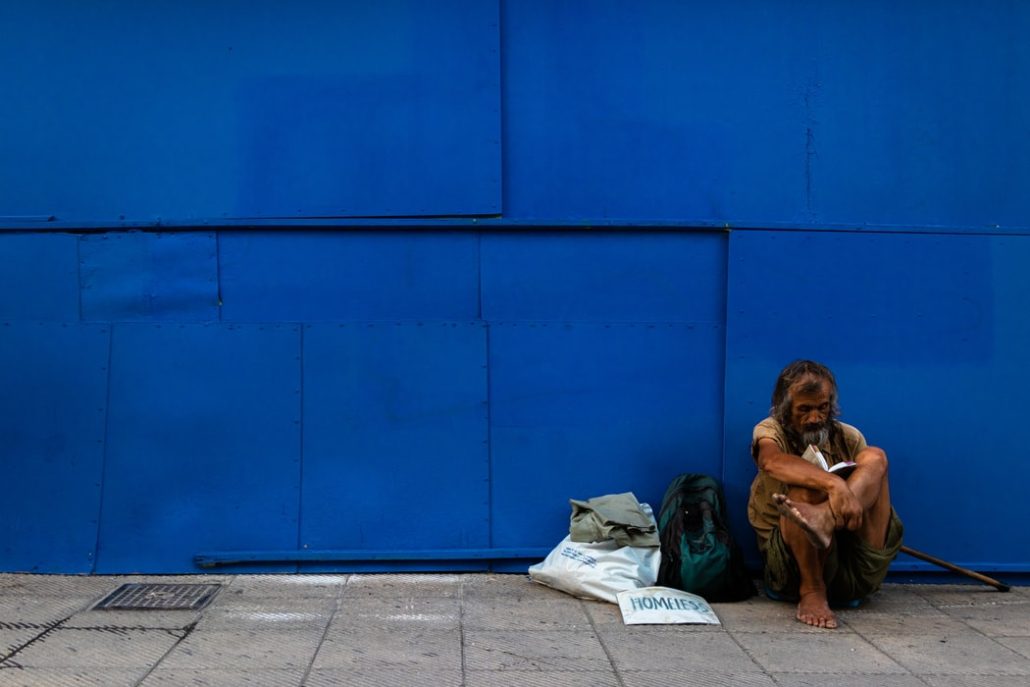
Homeless Children in Ethiopia Ethiopia, especially in its capital city of Addis Ababa, is experiencing a growing homelessness crisis. Young adults and children leave the countryside to try and find work and education in the country’s urban areas, but the cost of living and housing is often unaffordable. Here are seven facts about homeless children in Ethiopia.

7 Facts about Homeless Children in Ethiopia

  1. Forty-two percent of Addis Ababa’s homeless population is under the age of 18. An official survey in 2010 counted 12,000 homeless children in Addis Ababa alone but some NGOs have estimated that the number is much higher.
  2. Family problems are cited as one of the main reasons that children leave their homes and end up living on the streets. Approximately 46% of street children in Ethiopia live with people other than their birth parents because of death, divorce, or separation.
  3. Residential shelters exist for homeless children in Ethiopia, but they must pay their way into them and continue to make money in order to stay there. Shelters are small and fit fewer than 20 children at once. For about 20 birr (57 cents in USD) children can pay to have meals and a bed for a night. One particular shelter, Hold My Hand, has been serving at-risk homeless boys by providing them food at Addis’s largest school, Bole, or by reuniting them with lost family members. Though the shelter’s capacity is small, they have been able to reunite five families with their lost sons and continue to feed children through the Bole Project.
  4. Homeless children in Ethiopia are often exploited. Human trafficking networks have a large presence in the country’s crime rings, and often young girls that are experiencing homelessness in Ethiopia fall victim to these syndicates. Once in Addis Ababa, these girls are forced into slavery-like working conditions in domestic service. Close to 400,000 humans were trapped in slavery in 2016. Retrak Ethiopia helps businesses learn more about the people they employ and then tries to rescue homeless children in Ethiopia from human trafficking.
  5. Many homeless children experience addiction or substance abuse. Glue-sniffing is a popular form of drug abuse among homeless children in Ethiopia because the substance is inexpensive and easy to obtain on the street. Street children sniff glue in order to try and ease the pain of hunger and exposure to the elements.
  6. Ethiopia’s government does not offer any type of public funding for homeless children and has instead relied on a heavy police presence to try and contain the growing crisis in cities. One method used by the police is apprehending children and forcing them back to their hometowns, but this effort has been largely unsuccessful.
  7. Ethiopia’s newest prime minister, Abiy Ahmed, has charted a new path for the way the country addresses its growing homeless youth population. His new stance is the “Children on the streets have a right to live” which is a far cry from mottos of the past like the one in 2017 that emphasized “Cleaning Addis Ababa’s streets of children.” Now, Ethiopia’s government involves more conversations with on-the-ground NGOs. Habitat for Humanity has opened an Ethiopian chapter to try and rebuild old housing units and provide new ones for the country’s homeless population. Sanitation services in Ethiopia are unavailable in 80% of urban areas, so Habitat focuses on creating communal points of access for water distribution and hygienic purposes in cities like Addis Ababa.

-Grace May
Photo: Flickr

June 23, 2020
https://borgenproject.org/wp-content/uploads/borgen-project-logo.svg 0 0 Kim Thelwell https://borgenproject.org/wp-content/uploads/borgen-project-logo.svg Kim Thelwell2020-06-23 06:34:552020-06-24 12:17:467 Facts about Homeless Children in Ethiopia
Global Poverty

Understanding Tuberculosis in Pakistan

Tuberculosis in PakistanPakistan is ranked as the fifth-highest nation contracting Tuberculosis (TB) daily in the world. It has an “estimated 510,000 new TB cases emerging each year,” accounting for 61% of TB in the eastern Mediterranean region. According to the Stop TB Partnership, there are 1,540 developing cases and 121 deaths from tuberculosis in Pakistan every day. Pakistan also experiences the fourth-highest rate of multidrug-resistant TB (MDR-TB) globally. The abundance of MDR-TB cases largely results from delays in diagnosis, inadequate drug treatment and non-compliance of some patients.

Economic Background and Effects

The average monthly cost to treat Tuberculosis in Pakistan is between 1,500 and 1,800 Pakistani rupees, which equals around $9 to $11 per month. In Pakistan, this is a huge financial burden considering the average monthly income of less than $35, with many TB patients earning even less than that. One study reported 96.7% of Pakastani TB patients were already struggling financially prior to their diagnosis.

After diagnosis, changes in employment status are common for many patients. Roughly 75% of TB patients are unemployed after diagnosis. Those who do not lose their jobs often face cuts in work hours. These economic constraints inadvertently encourage non-compliance and refusal of treatment, which ultimately contributes to the spread of TB in Pakistan.

Stigmatization of Tuberculosis

Beyond employment consequences, tuberculosis in Pakistan is heavily stigmatized by the public. More than three-quarters of Pakistanis believe TB patients should be kept in hospitals or sanitariums during treatment. Some even admit that they would not marry an individual who has had TB. Out of a fear of being ostracized, most TB patients in Pakistan hide their disease and refuse treatment—behavior that contributes to the high rates of MDR-TB in the country.

The stigmatization of TB in Pakistan is mainly a result of a lack of public knowledge and misconceptions about the disease. Recent studies point toward insufficient TB awareness among the public and even patients in Pakistan. One study found that 88.7% of patients questioned did not know the risk factors of TB or the protective measures people with the disease should take. Moreover, less than half of the respondents could accurately identify TB symptoms.

The National TB Control Program (NTP)

Despite the high rates of tuberculosis in Pakistan, the country has made strides in decreasing its numbers. Organizations such as the National TB Control Program (NTP) are actively working to achieve a TB-free Pakistan. NTP re-launched in 2001 after TB became a national emergency in Pakistan. Since then, the organization has worked alongside the National Institute of Health to fight TB in the country. The main objective of NTP is to cut the number of TB cases present in 2012 in half by the year 2025.

The organization has brought more attention to the issue and improved its detection of cases from 11,050 cases in 2000 to 248,115 in 2008. The NTP hopes to increase that number to 420,000 by the end of 2020. Furthermore, the organization was able to bring the treatment success rate up to 91% by 2007 and has been working to maintain that level since.

COVID-19 Impact

The recent outbreak of COVID-19 across the globe has posed a major threat to the state of tuberculosis in Pakistan. With social distancing regulations, it has become difficult for individuals to be diagnosed and treated for the disease. Despite these new challenges, Pakistan and the NTP have remained committed to controlling the TB situation. The National Manager of NTP, for example, announced that follow-up appointments following treatment are to be conducted over the phone. Furthermore, the NTP outlined plans to use methods like the Pakistan Postal Service and Uber to deliver ongoing treatment to patients across the country.

The NTP has also started an online TB case notification pilot program where patients can register and receive treatment notifications and additional assistance from healthcare workers via text. This program will provide the NTP with greater information on TB cases in Pakistan as well as encourage patient compliance with treatment plans.

– Mary Kate Langan
Photo: Flickr

June 23, 2020
https://borgenproject.org/wp-content/uploads/borgen-project-logo.svg 0 0 Kim Thelwell https://borgenproject.org/wp-content/uploads/borgen-project-logo.svg Kim Thelwell2020-06-23 05:31:582024-05-29 23:17:48Understanding Tuberculosis in Pakistan
Children, Global Poverty

10 Facts about Homelessness in Chile

Homelessness In Chile
Homelessness in Chile persists as a problem. The wealth distribution continues to place a great number of people on the streets. Below are 10 facts about homelessness in Chile.

10 Facts about Homelessness in Chile

  1. Around 6,000 homeless live in Santiago, Chile. This number accounts for half of Chile’s homeless population.
  2. A significant cause of the high number of homeless individuals is because the minimum wage often does not cover housing costs. According to reporter Misha Wilmers, the average cost of an apartment per month is the equivalent of $200 over what the minimum wage offers. 
  3. A Ministry for Social Development study found that 77% of the homeless population in Chile had jobs. A leading academic voice in Chile, Ignacio Eissmann, is skeptical of the report. Eissmann claims that it is misleading due to the inconsistent nature of many homeless citizens’ employment.
  4. Around 785 of the homeless are children. These “street children” live without access to proper food or education.
  5. A major contributor to child homelessness in Chile is familial violence. While some don’t have a home to return to, others won’t due to the adverse family situations. If there is an abusive parent, a child might choose the dangers of the street instead of facing a dangerous parent.
  6. The president, Sebastián Piñera, urges the Chilean citizens to help with the crisis. In 2012, he said, “please make the effort to get them to the shelters we have provided.” He went on to say that the shelters are helping reduce winter season fatalities. 
  7. Housing inequality is a major contributor to Chilean homelessness. According to the Santiago Times, “[homeless Chilean citizens] are offered few to no government services and certainly no housing options but for periodic shelter and charitable services.” Without housing options, the homeless have little chance of changing their situation.
  8. A priest founded housing shelters that form a network through Santiago. The network is called “Christ’s Home,” and offers “trade schools, rehabilitation centers, and other facilities to serve the poor” according to the Catholic News Agency. According to Harvard’s Review of Latin America, Christ’s home “ministers to the sick and dying, tends to the homeless… Volunteers visit the elderly… They work with street children and orphans.”
  9. The government has attempted to implement housing shelters, but it has not had a noteworthy impact. Some citizens claim that the previous president was more effective in confronting homelessness. Others have noticed that the president seems unfamiliar with the reality of homelessness.
  10. While the plight seems grim and meagerly addressed, shelters continue to offer hope and futures to the Chilean homeless. For example, one lovely shelter—set up by the Salvation Army— specializes in helping older men. The existence of this shelter is significant since males make up more than 10,000 of the 12,000 homeless in Chile.

As people begin to take notice and set up organizations, the issue of homelessness in Chile may be brought to the forefront of government discussion. Meanwhile, 12,000 Chileans still struggle to find a place to sleep at night.


– Abigail Lawrence
Photo: Flickr

June 23, 2020
https://borgenproject.org/wp-content/uploads/borgen-project-logo.svg 0 0 Jennifer Philipp https://borgenproject.org/wp-content/uploads/borgen-project-logo.svg Jennifer Philipp2020-06-23 04:55:532020-06-23 04:56:4010 Facts about Homelessness in Chile
Global Poverty

The Decline of Poverty in Georgia

Poverty in Georgia
Sitting between Turkey and Russia, the nation of Georgia tells a unique story about successfully fighting poverty. Although the country’s poverty rate sits at around 20%, the current figure represents a steep decline from the 2010 rate of 37%. A more complete understanding of the decline of poverty in Georgia requires an understanding of the nation’s history.

Recent Georgian History

Throughout the 19th century, the Russian empire slowly annexed Georgia. In 1918, after the collapse of the Russian Empire, the Democratic Republic of Georgia declared its independence. In 1921, the Soviet Union forcibly incorporated Georgia. Under Soviet rule, the economy of Georgia modernized and diversified from being largely agrarian to featuring a prominent industrial sector.

In 1936, Georgia became a constituent republic and remained so until the collapse of the Soviet Union. After the collapse in 1991, Georgia regained its independence, but instability, civil unrest and a falling GDP plagued the nation. After the Rose Revolution of 2003, the government of Georgia attempted to liberalize the nation’s economy and pursue cooperation with the West. Russia invaded the South Ossetia and Abkhazia regions in 2008 due to a territorial dispute, which still continues.

When viewing the recent history, it is clear that the decline of poverty in Georgia deeply intertwines with its reforms after emerging from the Soviet Union. With a government focused on stability and economic development, Georgia has been able to make strides to downsize poverty.

Success in Fighting Poverty

When the Georgian government made an attempt to liberalize the nation’s economy and pursue international cooperation after the collapse of the Soviet Union, the nation sought trade agreements with China and the European Union (EU).  It also made reforms to eliminate corruption and simplify taxes. As a result, Georgia’s GDP per capita has expanded at a rate of 4.8% in 2019

In 2007, The World Bank ranked Georgia as the world’s number one economic reformer due to its successful policies focussing on promoting competition and diversifying the financial sector. In 2014, it found that poverty in Georgia had decreased for the fourth consecutive year. Since 2014, Georgia has joined the EU’s Free Trade Area, and the EU has become the country’s largest trading partner.

Georgia has also been working with the United Nations Development Programme (UNDP) to pursue democratic reforms, inclusive growth, conflict transformation, green solutions and the achievement of the Sustainable Development Goals (SDGs). In 2012, Georgia demonstrated positive growth, conducting a democratic election with a peaceful transition of power.

Fighting Poverty in the Future

Though the nation holds many statistical successes, poverty in Georgia is still a pressing matter. According to the Asian Development Bank (ADB), 19.5% of the population still lived below the national poverty line in 2019.

Unemployment remains a contributing factor to poverty in Georgia. The national rate sits at about 13.9%, though in some regions it is as high as 40%. Young people especially struggle economically in Georgia, and the country is currently working with the United Nations to improve vocational education and training. In 2017, the Georgian government put forth a rural development strategy, emphasizing its focus on the growth and diversification of the rural economy.

Despite the nation’s economic improvements, Georgia’s standard of living has decreased dramatically due to the loss of the cheap sources of energy previously received in the Soviet era. The country recognizes this problem and has made efforts to rebuild the energy sector in a sustainable way. In 2015, Georgia joined the EU4Energy Programme, which is dedicated to making effective, research-based policy decisions in the energy sector.

Healthcare also remains a contributing factor to poverty in Georgia, especially among children. The nation struggles with both a high infant mortality rate and a high rate of infections and parasitic diseases. In 2013, the country adopted a universal health care plan, which represents a significant step in making health care more accessible. The nation is currently working to expand the service to all areas of the population.

The previous victories in the decline of poverty in Georgia are laudable. Though Georgia still requires more work, the nation continues to make reform efforts and strives to ensure that the next chapter of economic history is one of continued success.

– Michael Messina
Photo: Flickr

June 23, 2020
https://borgenproject.org/wp-content/uploads/borgen-project-logo.svg 0 0 Jennifer Philipp https://borgenproject.org/wp-content/uploads/borgen-project-logo.svg Jennifer Philipp2020-06-23 01:30:152024-05-29 23:17:57The Decline of Poverty in Georgia
Global Poverty

5 Facts About Solar Energy in China

solar energy in chinaThe People’s Republic of China is one of the largest global economies today. Since it was reformed in 1978 to open itself up to the world, more than 850 million citizens were lifted above the poverty line and GDP growth has been on average 10% a year. However, poverty is still a large problem in the country, as 373 million Chinese citizens live in poverty today. The Chinese government implemented the Solar Energy for Poverty Alleviation Program (SEPAP) in 2013 as a means of helping its most poor citizens.

5 Facts About Solar Energy in China

  1. Progress so far: Solar energy in China has already helped many provinces. Between 2013 and 2016, 211 pilot counties reported an average per capita disposable income increase of 7-8%. Counties were chosen for the initial phase of the program primarily for their solar radiation levels and secondarily for their local economic conditions. SEPAP had the greatest impact in the eastern part of the country and the poorest counties saw the greatest increase.
  2. Government plans: The government is planning to install more solar energy to alleviate poverty. After its initial success, SEPAP aims to install more than 10 gigawatts of photovoltaic capacity across the country. The government plans to target the poorest parts of eastern China, where solar energy had the greatest impact in the pilot counties, and it estimates that the new solar energy will benefit more than 2 million people across 35,000 villages by the end of the year.
  3. Goals: The goals of SEPAP’s five year plan are ambitious. Officials intend to create a “new normal,” switching economic growth and services from an investment-led approach to a consumer-led approach. From 2015 to 2020, they plan to achieve an 18% reduction in carbon intensity, 15% reduction in energy intensity and have 15% of primary energy come from renewable sources. This is all part of promoting an “ecological civilization” that focuses on green policies and technologies.
  4. Finances: The financial side of the program has a lot to consider. SEPAP researchers believe that quality access to electricity and employment opportunities in solar energy should be considered as future policy as well. This is because the program may cost $4.2 billion throughout its five year implementation period, and research into the proper allocation of funds for solar energy in China must be conducted in order to preserve the economic effects.
  5. Poverty reduction: The community solar programs and similar renewable energy generation projects across the world all seek financial benefit from energy generation in order to alleviate poverty at the county or village level. Some of the revenue from these projects also go towards public welfare projects that reduce poverty as well.

Overall, solar energy programs are not an end all be all solution to China’s poverty problem. However, the communities they are able to provide with relief show significant improvement in income. Solar energy might not fix everything, but it does open up many possibilities in China’s future.

– Kathy Wei
Photo: Flickr

June 22, 2020
https://borgenproject.org/wp-content/uploads/borgen-project-logo.svg 0 0 Lynsey Alexander https://borgenproject.org/wp-content/uploads/borgen-project-logo.svg Lynsey Alexander2020-06-22 13:50:192020-06-22 13:50:195 Facts About Solar Energy in China
Global Poverty

Economic Growth: Solving Poverty in Côte d’Ivoire

Solving Poverty in Côte d'Ivoire
For years, people have known the Republic of Côte d’Ivoire as a bastion of religious and ethnic harmony with one of Africa’s most well-developed economies. However, an armed rebellion in 2002 split the nation in two. Even though renewed violence has intermittently interrupted peace deals, the country has slowly moved toward a political resolution. Côte d’Ivoire has seen its economy continue to flourish in recent years. The country has a population of nearly 24 million and remains the world’s largest exporter of cocoa beans, the primary force driving its economy. Though poverty in Côte d’Ivoire has reduced, the country is far from eliminating it entirely. The poverty rate stands at 46.3%, and a quarter of the labor force remains unemployed. The most significant challenge for solving poverty in Côte d’Ivoire is how to translate a growing economy into social inclusion and a reduced poverty rate.

Background: Political Unrest

Côte d’Ivoire has a recent history of violent political unrest. In October 2018, conflicts over local elections resulted in the killing of 10 people. These tensions persist from conflicts in 2002 when incumbent President Laurent Gbagbo faced off with the Forces Nouvelles de Côte d’Ivoire. Conflicting ideals and values lead to a fully militant civil war from 2002 to 2004. The primary cause of the civil war was a feeling of discrimination among Muslim northerners by the politically dominant Christian southerners. 

Today, political unrest in Côte d’Ivoire is at an all-time high since the civil war as the 2020 presidential election has caused tensions to rise. There is significant uncertainty as to whether or not President Alassane Ouattara is going to run for reelection. Additionally, the International Criminal Court recently acquitted former president Gbagbo and is scheduled for release from prison. There is much speculation that Gbagbo will join the 2020 presidential race. As such, the current leading Party (Parti Démocratique de Côte d’Ivoire) and the opposition party (Front Populaire ivoirien) have established a new independent electoral commission in the hopes of easing tensions between supporters of the two sides. Despite this hopeful step, arrests of political opponents in May and clashes between law enforcement and demonstrators have heightened unrest.  

The Economy Now

Since 2011, the economy in Côte d’Ivoire has been among the fastest-growing in the world at 8% per year. Despite this, the country’s GDP growth has not increased. Instead, in recent years, Côte d’Ivoire’s GDP has declined by nearly 3%, from 10.1% in 2012 to 7.7% in 2017. Furthermore, Côte d’Ivoire ranks low in both the UNDP’s Human Development Index (170 out of 189 countries) and the human capital index score (0.35). Many poverty-related factors contribute to the low economic development rate.

The most significant challenges in solving poverty in Côte d’Ivoire are similar to those of many countries facing major poverty issues. One of the larger systemic problems perpetuating the country’s gender inequality is the secondary education completion rate, which is 42.7% for girls and 55.5% for boys. The low overall secondary education completion rate (35.5%) creates a challenge for future economic development. Also, the maternal mortality rate is high at 645 deaths per 100,000 live births, and there is a crisis of infant malnutrition. Finally, youth unemployment, which comprises people between the ages of 15 and 35, sits at 36% of the population. Poverty in Côte d’Ivoire is much deeper than economic growth, which does not directly translate to poverty reduction.   

Reducing Poverty in Côte d’Ivoire

Despite the variety of issues outlined above, Côte d’Ivoire is working toward ending poverty in the country. In 2009, the country worked in conjunction with the IMF and World Bank to set initiatives for development. The four strategic outcomes outlined in the plan were: Reestablishing the Foundations of the Republic, Transforming Côte d’Ivoire into an Emerging Economy, Social Well-Being For All and Côte d’Ivoire is a Dynamic Actor on the Regional and International Scene. Through these initiatives, Côte d’Ivoire has a robust framework for progressing not just economically, but socially as well.  

Once political unrest subsides in Côte d’Ivoire, the nation can continue to enact initiatives to end poverty. The country’s continually growing economy is a positive first step in ultimately reducing poverty. Through continued work with the IMF and World Bank, Côte d’Ivoire has the potential to flourish economically and translate those results to its impoverished people.

– Max Lang
Photo: Flickr

June 22, 2020
https://borgenproject.org/wp-content/uploads/borgen-project-logo.svg 0 0 Lynsey Alexander https://borgenproject.org/wp-content/uploads/borgen-project-logo.svg Lynsey Alexander2020-06-22 13:18:192022-04-13 13:23:23Economic Growth: Solving Poverty in Côte d’Ivoire
Global Poverty, Poverty

4 Facts About Poverty in Iraq

Poverty in Iraq
About 22% of Iraqis live in poverty. Poverty in Iraq is a dynamic issue, the facets of which have changed with the country’s progress and efforts at modernization. Urbanization and the discovery of vast oil reserves have adversely impacted Iraqis with corruption and conflict driving poverty rates up. The following are four exceedingly relevant facts about poverty in Iraq and what the International Rescue Committee (IRC), a nongovernmental organization that emerged in 1933 to respond to international humanitarian crises, has done to help since entering Iraq in 2003.

4 Facts About Poverty in Iraq

  1. Urbanization and Food Shortages: Recent conflict and economic change have caused Iraqis to concentrate in urban areas. Iraq is 70.7% urbanized and is nearly unrecognizable in comparison to its agricultural past. Poor agricultural policies have catalyzed this shift toward urbanization and overcrowding in cities. This, combined with military and economic crises, has resulted in as many as one in six households experiencing some form of food insecurity. Iraq has a universal food ration program called the Public Distribution System (PDS), which is its most extensive social assistance program, but it has not been enough. Many Iraqis who have either lost access to the PDS or find that it does not cover enough, have turned to humanitarian agencies like the IRC for aid. Since 2003, the IRC has helped hundreds of thousands of people: in 2018 alone, it assisted 95,000 Iraqis, providing financial, familial, educational and professional support.
  2. Corruption and Oil: According to Transparency International, Iraq is the 13th most corrupt country. The Iraqi government often subsidizes inefficient state industries, which has led many Iraqis to view government and business leaders as corrupt. With the rise in oil prices over the past decades, Iraq’s government had sufficient funds to complete significant reconstruction and aid projects. However, poverty in Iraq has not improved. The oil sector provides an estimated 85% to 95% of government revenue. High-level corruption in Iraq impedes the development of private, non-oil business sectors, spurring overdependence on oil. Protests were rampant in 2019 with Iraqis indignant that their economy was flush with oil money but their government was too corrupt to provide basic services. Average Iraqi citizens never see oil profits due to the corrupt nature of the Iraqi government, which empowers politicians through informal agreements and patronage. Leaders hand out government jobs to build their support networks and stifle dissent, making the public sector inefficient and draining oil profits such that there is little left over for investment in social programs. While federal social programs are lacking and corruption is still serious, NGOs like the IRC have stepped in to pick up the slack and somewhat lighten the suffering of many Iraqis.
  3. Poverty and Unemployment: Roughly 95% of young Iraqis believe they need strong connections to those in power in order to obtain employment. Overall, unemployment is at 11% with one-third of Iraqi youths unemployed and 22% of the population living in poverty. The aforementioned protests in 2019 involved young Iraqis frustrated at being unable to find work, and projections determine that unemployment and poverty will worsen even further in 2020. The United Nations expects the poverty rate to double to around 40%, with monthly oil revenues falling from $6 to 1.4 billion between February and April 2020 due to the recent collapse in global oil prices. To combat these figures, the International Rescue Committee (IRC) has provided more than 40,000 people with emergency supplies, business training and funding to help Iraqis rebuild their lives.
  4. War and Internal Displacement: Conflict with ISIS led to the displacement of more than 6 million Iraqis from 2014 to 2017, and about 1.5 million Iraqis remain in camps despite the recent territorial defeat of the terrorist organization. The rise and conquest of ISIS was a primary driver behind the increase of the poverty rate to the current level of 22%, with forced displacement and brutal violence leading to the destruction of Iraqi homes, assets and livelihoods. The above factors have struck internally displaced persons (IDPs) the hardest — few IDPs have employment and most have to support an average of six other members in their household. On top of all this is the fact that many IDPs have lost access to what little the PDS food program does supply, illustrating the true humanitarian challenge of poverty in Iraq. While the displacement and refugee issue is still serious today, the International Rescue Committee has aided over 20,900 women and girls to recover from the violence, providing hope for a battered people.

Looking Ahead

Despite expansive oil profits flooding into the Iraqi system, this money does not reach ordinary Iraqis who struggle to provide for their families. The failure of urbanization, stark unemployment and violent conflict with ISIS have exacerbated the lack of action from corrupt business and political leaders to address the systemic issue of poverty.

Experts expect global poverty to worsen during the current COVID-19 pandemic, especially in Iraq. Combined with the recent crash in oil prices, this will likely lead to serious unrest in a country that has struggled for decades to bring about some semblance of effective governance. Despite the ongoing issues that these four facts about poverty in Iraq show, hope continues to live on thanks to organizations like the IRC that are able to provide aid.

– Connor Bradbury
Photo: U.S. Department of Defense
June 22, 2020
https://borgenproject.org/wp-content/uploads/borgen-project-logo.svg 0 0 Jennifer Philipp https://borgenproject.org/wp-content/uploads/borgen-project-logo.svg Jennifer Philipp2020-06-22 07:30:312024-06-06 00:38:124 Facts About Poverty in Iraq
Global Poverty, Homelessness

Understanding Homelessness in China

Homelessness in China
Homelessness in China is a significant humanitarian concern that affected approximately 2.6 million people as of 2011. China is a unique economic powerhouse, a manufacturing giant with the authoritarian remnants of a communist state and a marvel of global tourism despite its isolationist past. The nation’s mammoth population of 1.4 billion adds yet another set of challenges in negotiating economic and social issues. To better understand the dynamics and origins of homelessness in China, there are several factors to consider.

Natural Disasters

The roots of homelessness in China are not strictly economic. Infrastructural damage from natural disasters can ravage populated areas and leave thousands without housing. In 2000, the Yunnan earthquake resulted in the sudden displacement of more than 100,000 people. China’s population density makes disaster relief especially challenging. In 2008, an earthquake hit southwestern China, compromising the housing of nearly 5 million people in an area, “roughly the size of Massachusetts, Vermont, New Hampshire and New Jersey combined.” Beijing appealed for international aid to account for the enormous population in need of temporary housing, food and other supplies. Disaster relief and reconstruction efforts cost the Chinese government $441 billion. Six months following the earthquake, 685,000 homes underwent reconstruction and some rebuilt 200,000 entirely. Even so, around 1.94 million affected households were still living without permanent shelter.

Childhood Homelessness

Nearly 1 million of those experiencing homelessness in China are children. About half of these children are runaways, hoping to escape abusive or impoverished households. Unsurprisingly, these children and adolescents are vulnerable to the lures of gangs and drug use. With an average age of 14 to 15, most of these at-risk youths receive fewer than four years of elementary education. This limits their opportunities for social mobility as they enter adulthood. The one-child policy, China’s aggressive initiative to curb population growth, has also had a direct impact on rates of child displacement. Because of a cultural preference for male children, many girls ended up homeless or in orphanages.

Fortunately, rates of child abandonment have lowered significantly within the past decade. China’s economic development has allowed for higher standards of living and better prenatal care. The end of the one-child policy in 2016 has also lowered rates of child abandonment, particularly for female children. Organizations like China Care help orphaned children with special needs find permanent homes and receive proper medical care. This organization also provides adoptive families with the financial aid necessary to afford adoption costs.

Mental Health

Although the rate of homelessness among the mentally ill is lower in China than in many high-income countries, the relationship between homelessness and mental unwellness is clear. In a 2015 study that the PLOS ONE Journal published, a psychiatrist used a Structured Clinical Interview to screen homeless individuals for DSM-IV Axis-I disorders. Among the subjects that researchers interviewed, 71% had a history of mental illness, 25% of subjects reported alcohol abuse, 25% reported substance abuse and 10% struggled with psychotic disorders. These figures are conservative, as researchers considered nearly one-fifth of the individuals they assessed too ill to consent to participating in the study. Yet, only 13% of those afflicted reported receiving psychiatric care at the time of the study.

This low treatment rate paints a bleak picture of insufficient mental health resources for homeless individuals. In many cases, people must consider patients dangerous before patients can receive involuntary treatment. However, these policies occur with prolonged periods of untreated psychosis. This study points out that mental healthcare professionals should receive training and education on compulsory treatment options for this vulnerable population.

Strides Forward

Despite the complexities of addressing this multidimensional crisis, considerable infrastructure currently supports China’s homeless. Government-subsidized social services are growing, and local governments often ‘buy’ the services of NGOs to provide proper aid. This is naturally scaled to accommodate China’s large populace: as of 2014, China had 2,000 shelters and employed around 20,000 social workers to provide assistance.

– Stefanie Grodman
Photo: Flickr

June 22, 2020
https://borgenproject.org/wp-content/uploads/borgen-project-logo.svg 0 0 Kim Thelwell https://borgenproject.org/wp-content/uploads/borgen-project-logo.svg Kim Thelwell2020-06-22 01:30:212020-06-18 06:54:51Understanding Homelessness in China
Global Poverty

An Overview of Healthcare in Switzerland

Healthcare in SwitzerlandMany know Switzerland for its high standard of living and hail its healthcare system as one of the best in the world—in fact, it often ranks as one of the top 10 healthcare systems worldwide. However, while healthcare in Switzerland is universal, it is not free or public, which makes it very expensive.

How It Works

All residents pay for their own health insurance. Unlike other countries, healthcare does not receive funding from government taxes. Even children and retirees must have their own individual health plan. The Swiss government mandates that health insurance providers cannot reject applicants for any reason and that all insurance providers offer a basic level of healthcare coverage to ensure that all citizens can obtain insurance.

The basic level of health insurance is identical across all Swiss insurance providers, covering expenses such as general check-ups and treatments, prescription costs, vaccinations, hospital visits and more. A basic healthcare plan covers around 80-90% of a person’s medical costs.

Health Insurance Companies

The role of health insurance companies in Switzerland is complicated. As private companies, they are competitive and seek profit. However, since law dictates that they all have to offer the same medical services under the mandatory basic health insurance, companies have limited competition.

Healthcare insurance companies have decreased in number within the past 20 years, from over 1,000 to less than 100. Their influence on political decisions is high since many government officials represent and defend their interests.

Pros and Cons

The Swiss government legally requires anyone staying in Switzerland for over 90 days to acquire health insurance, no matter the total length of stay. Healthcare in Switzerland is expensive, and people pay for most treatments out-of-pocket rather than receiving reimbursement later.

Switzerland’s high healthcare costs partially come from the fact that the government-mandated private insurance premiums largely fund the healthcare system. Healthcare providers charge more money from individuals to cover medical costs and business expenses since the government does not fund healthcare.

However, healthcare standards are high and citizens can receive excellent quality care across the country. Since basic healthcare is mandatory for all residents, every person has an entitlement to the same coverage and standard of care.

Swiss health insurance companies cannot deny insurance or charge inflated insurance rates for those with pre-existing conditions. Depending on customers’ age and insurance package of choice, some health insurance companies also will charge the same fee for the duration of the residency in Switzerland. Insurance rates may not increase even in the event of sickness or injury.

Comparison with Other Countries

The Organization for Economic Co-operation and Development (OECD) compared healthcare in Switzerland with healthcare in the 37 other OECD countries. It found that Switzerland’s model of universal health insurance coverage provides a wide variety of medical services and high patient satisfaction, but the percentage of Switzerland’s GDP that goes towards health is the second-highest in the OECD area.

Other OECD countries perform equally as well or even better in terms of healthcare at a lower cost. Switzerland spends the highest GDP, around 12%, on healthcare in comparison to other European countries. Swiss residents also spend an average of 10% of their salary on health insurance.

– Kathy Wei
Photo: Unsplash

June 21, 2020
https://borgenproject.org/wp-content/uploads/borgen-project-logo.svg 0 0 Kim Thelwell https://borgenproject.org/wp-content/uploads/borgen-project-logo.svg Kim Thelwell2020-06-21 07:30:212024-05-29 23:17:54An Overview of Healthcare in Switzerland
Page 1085 of 2161«‹10831084108510861087›»

Get Smarter

  • Global Poverty 101
  • Global Poverty… The Good News
  • Global Poverty & U.S. Jobs
  • Global Poverty and National Security
  • Innovative Solutions to Poverty
  • Global Poverty & Aid FAQ’s
Search Search

Take Action

  • Call Congress
  • Email Congress
  • Donate
  • 30 Ways to Help
  • Volunteer Ops
  • Internships
  • Courses & Certificates
  • The Podcast
Borgen Project

“The Borgen Project is an incredible nonprofit organization that is addressing poverty and hunger and working towards ending them.”

-The Huffington Post

Inside The Borgen Project

  • Contact
  • About
  • Financials
  • President
  • Board of Directors
  • Board of Advisors

International Links

  • UK Email Parliament
  • UK Donate
  • Canada Email Parliament

Get Smarter

  • Global Poverty 101
  • Global Poverty… The Good News
  • Global Poverty & U.S. Jobs
  • Global Poverty and National Security
  • Innovative Solutions to Poverty
  • Global Poverty & Aid FAQ’s

Ways to Help

  • Call Congress
  • Email Congress
  • Donate
  • 30 Ways to Help
  • Volunteer Ops
  • Internships
  • Courses & Certificates
  • The Podcast
Scroll to top Scroll to top Scroll to top