• Link to X
  • Link to Facebook
  • Link to Instagram
  • Link to TikTok
  • Link to Youtube
  • About
    • About Us
      • President
      • Board of Directors
      • Board of Advisors
      • Financials
      • Our Methodology
      • Success Tracker
      • Contact
  • Act Now
    • 30 Ways to Help
      • Email Congress
      • Call Congress
      • Volunteer
      • Courses & Certificates
      • Be a Donor
    • Internships
      • In-Office Internships
      • Remote Internships
    • Legislation
      • Politics 101
  • The Blog
  • The Podcast
  • Magazine
  • Donate
  • Click to open the search input field Click to open the search input field Search
  • Menu Menu

Archive for category: Food Insecurity

Food Insecurity, Global Poverty, Hunger

Hunger Amid Progress: Addressing Food Poverty in India

Food Poverty in IndiaDespite India’s strides in poverty reduction, the country still struggles with severe food poverty, especially among children. A recent United Nations Children’s Fund (UNICEF) report underscores this contradiction, revealing that 40% of children in India face severe food poverty. These two statements highlight different aspects of the issue, but their lack of nuance makes it harder to grasp the broader picture.

Comparisons With the National Family Health Survey

The National Family Health Survey (NFHS) provides additional context to the UNICEF findings. The NFHS-5 data indicates that India’s child wasting rate is the highest globally at 18.7% and the child stunting rate is 31.7%. These figures reflect the persistent challenges in addressing malnutrition despite various government initiatives like the National Nutrition Mission and the Public Distribution System.

Insights From the Global Health Index

The Global Health Index (GHI) further corroborates the severity of India’s hunger crisis. With a score of 28.7, India is categorized as having a “serious” hunger level. This index highlights the need for targeted interventions to address the root causes of malnutrition, including food insecurity, poor dietary diversity and inadequate health services.

Gaurav Dwivedi: Methodology and Challenges

In an interview with The Borgen Project, Gaurav Dwivedi, a data journalist from New Delhi Television (NDTV), emphasized the importance of data validation in assessing food poverty. Dwivedi noted that much of the available data is not validated by the government, resulting in discrepancies that hinder effective policy-making. He also highlighted the lack of awareness and educational programs on nutrition and motherhood, which further exacerbates the issue at the grassroots level.

Dwivedi noted that dietary diversity plays a crucial role in understanding food poverty. In India, ancestral knowledge rather than formal education often influences nutritional choices. This lack of formal nutritional education is particularly ironic in urban areas, where access to information is ostensibly better. Additionally, Dwivedi criticized the rigid criteria set by organizations like UNICEF, which may not accurately reflect the nutritional realities of different countries.

The Urgency of Addressing Food Poverty

Figures and insights from various reports highlight the urgent need for a multifaceted approach to tackle food poverty in India. This involves improving data validation, enhancing nutritional education and adapting policies for climate change and population growth. Additionally, more substantial political commitment and accountability are essential to ensure that economic progress improves nutritional well-being, particularly for vulnerable populations.

While India has made significant economic progress, the persistence of severe food poverty among children highlights the need for targeted interventions and policies. Addressing these challenges requires a concerted effort from the government, civil society and international organizations to ensure every child has access to a nutritious and diverse diet, paving the way for a healthier future.

– Malaikah Niyazi

Malaikah is based in Philadelphia, PA, USA and focuses on Global Health for The Borgen Project.

Photo: Flickr

September 7, 2024
https://borgenproject.org/wp-content/uploads/borgen-project-logo.svg 0 0 Lynsey 2 https://borgenproject.org/wp-content/uploads/borgen-project-logo.svg Lynsey 22024-09-07 07:30:302024-09-07 00:49:46Hunger Amid Progress: Addressing Food Poverty in India
Food Insecurity, Global Poverty, Refugees

An Unusual Cookery Show is Supporting Refugees in Algeria

Refugees in AlgeriaAmid the rising tide of global crises, an unusual cookery show provides hope to Sahrawi refugees living in Algeria’s remote desert region of Tindouf. Many refugees in Algeria are in dire straits as a result of increased food and fuel prices brought on by the conflict in Ukraine, the lingering impacts of the COVID-19 pandemic and food shortages. However, a fellow Sahrawi refugee named Haha is hosting a cookery show to help these displaced individuals create nutritious meals with limited resources.

Refugees in Algeria

Sahrawi refugees, who have lived in camps around Tindouf for decades, are now struggling more than ever to access food for their families. With food rations reduced to less than five kilograms per person per month, many are receiving far below the minimum caloric intake needed to maintain health.

Abdel Halim Elfaki, acting representative for the UNHCR in Algeria, expressed concern over the situation. According to UNHCR, this reduction has forced refugees like Muna Hamid, a 35-year-old single mother of two, to make heartbreaking decisions as she watches her children skip meals due to the lack of affordable food.

A Creative Response

In response to the escalating food crisis in the Sahrawi refugee camps, Haha’s cookery show, Min chway nadal chi zayn (translated as “With few ingredients, we make meals”), has become a vital resource for many struggling families. The show, which has been on air since 2012, started as part of a broader initiative from the Italian NGO CISP in collaboration with the Sahrawi Red Crescent and the World Food Programme (WFP). The initiative aims to strengthen food security by raising awareness about nutrition and making the most of the food distributed in the camps.

Haha’s show provides practical lessons on how to create nutritious meals from the limited and often unconventional ingredients available in the desert environment of Tindouf. By creatively blending traditional Sahrawi recipes with new ideas, the show empowers families to maximize their reduced rations. In addition to recipe demonstrations, the show educates viewers on the nutritional benefits of these meals, helping them understand how to combat malnutrition with the resources they have.

The program is filmed in a fully equipped television studio and is part of a broader effort to improve food practices among the refugees in Algeria, according to CISP. It also includes post-distribution monitoring of food availability, access and consumption, as well as training sessions on cooking techniques that enhance the nutritional value of distributed food items.

A Lifeline for Refugees in Algeria

The impact of the cookery show is felt deeply among the refugee community. For instance, Deheba, a 55-year-old grandmother, credits the show with helping her find new ways to provide essential nutrition to her family despite the food shortages, UNHCR reports. The show has introduced her to new recipes that incorporate available vegetables, helping her grandchildren maintain their health.

Deheba mentioned that what she has learned from Haha’s cooking show has been very helpful and has contributed to her family’s well-being, even with the food shortages they face.

Another refugee, Mohamed, a 65-year-old widower and father of six, also relies on the show’s advice. According to UNHCR, after losing his herd of goats during the pandemic, Mohamed has struggled to provide for his children. Yet, thanks to Haha’s guidance, he finds creative ways to use the little he has to keep his family fed.

Empowering Families Through Knowledge

Haha, began her journey as a TV chef driven by the desire to help her community in the Tindouf camps, where she has lived for decades. Despite starting with a simple goal, the show gained popularity and expanded its reach. She invites doctors and nutritionists to her show to educate people about healthy diets.

Haha began collaborating with the WFP to extend her efforts beyond the television screen, taking her knowledge to local schools. She worked with WFP to incorporate her recipes into school feeding programs, which could improve the nutrition of young students.

Looking to the future, Haha hopes that her show will continue to expand, not only providing practical cooking tips but also fostering a greater sense of resilience and hope within the refugee community. She envisions the show as a long-term platform that can inspire healthier eating habits, improve nutrition and perhaps even offer a model for other refugee communities facing similar challenges.

– Sumaiya Sultana

Sumaiya is based in London, UK and focuses on Good News and Technology for The Borgen Project.

Photo: Flickr

September 1, 2024
https://borgenproject.org/wp-content/uploads/borgen-project-logo.svg 0 0 Naida Jahic https://borgenproject.org/wp-content/uploads/borgen-project-logo.svg Naida Jahic2024-09-01 07:30:372024-09-01 00:25:49An Unusual Cookery Show is Supporting Refugees in Algeria
Food Insecurity, Global Poverty, Nonprofit Organizations and NGOs

Organizations Tackling Food Insecurity in Chad

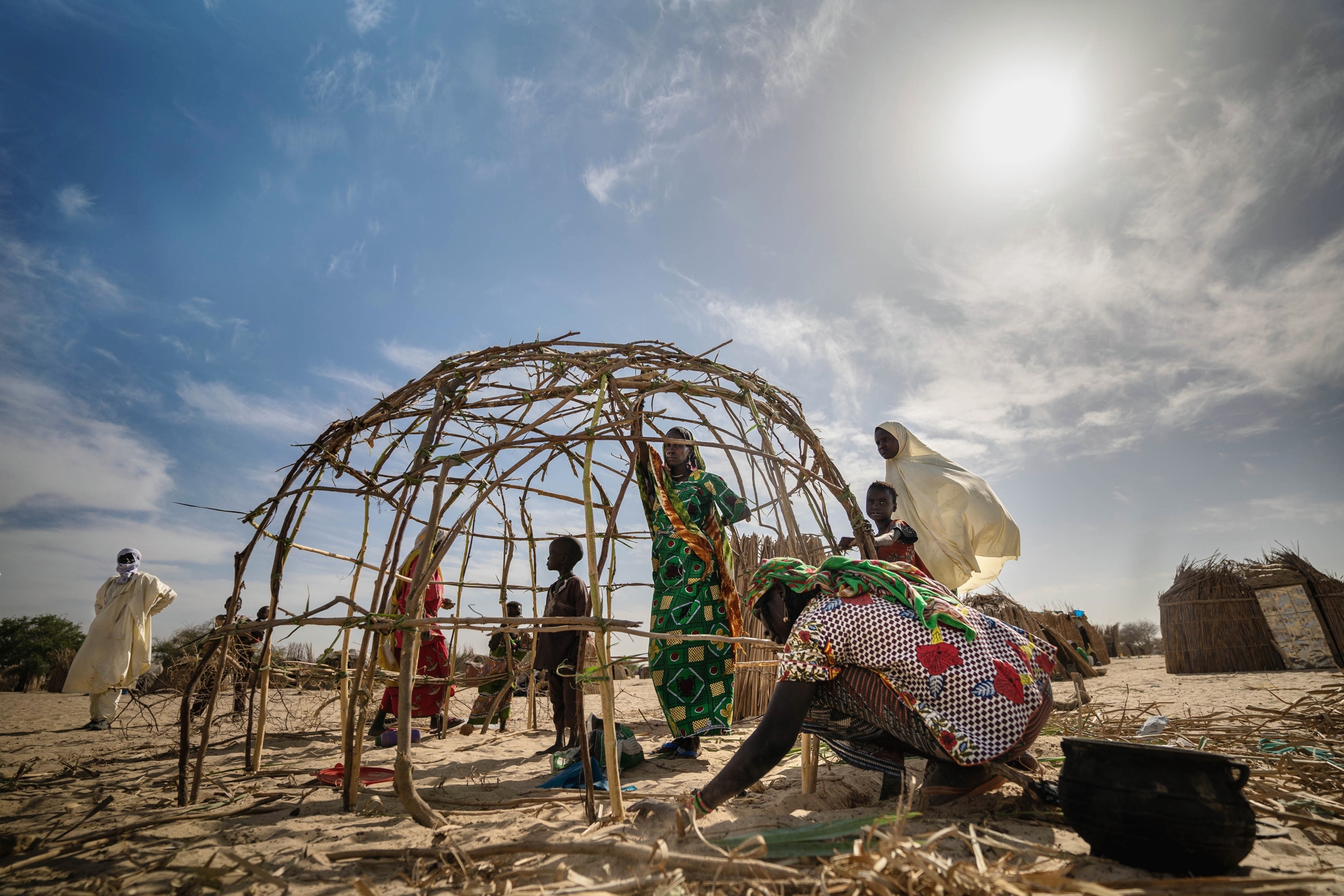
Food Insecurity in ChadChad, a landlocked country in central Africa, faces some of the highest levels of food insecurity and starvation globally. Approximately 42% of its population lives below the poverty line. With a score of roughly 35 on the 2023 Global Hunger Index, Chad has a severe hunger level. The ongoing conflict in Sudan has disrupted trade, driven up food prices and led to below-average market supplies, contributing significantly to the severe starvation in Chad. 

In addition to the extreme poverty faced by its residents, more than 600,000 refugees seeking shelter and security have entered Chad. Already hosting more than one million refugees, the country continues to grapple with widespread hunger and food insecurity despite the substantial refugee influx. However, several organizations are actively working to tackle food insecurity in Chad.

Action Against Hunger

This organization has already assisted more than 520,000 people, yet with a staggering 5.5 million people in need in Chad, many continue to struggle with food insecurity. While Action Against Hunger (AGA) provides food to vulnerable populations, the ready-made supplies are only a temporary solution. To address this issue more sustainably, AGA is teaching communities in Chad how to grow their own crops and manage limited rainfall to enhance local food production.

Concern Worldwide

Concern Worldwide has addressed food insecurity in Chad by implementing programs designed to enhance livelihoods. These initiatives provide participants the tools to achieve sustainable living, acquire new skills, improve crop yields and nutritional quality and generate income through small businesses.

Concern Worldwide’s efforts to build sustainable livelihoods in Chad have reached 62,000 people. The organization has also provided free health services, improved nutritional support and access to clean and safe drinking water to approximately 133,000 vulnerable individuals and people with disabilities.

Additionally, Concern Worldwide launched the Concerted and Inclusive Development in the Lake Province (DECILAC), a pioneering project supported by Facilité G5 Sahel. This project focuses on inclusively investing in food security, strengthening local value chains, enhancing education and mitigating food insecurity in the Lac province.

The World Food Programme

The World Food Programme (WFP) plans to assist 2.5 million people across Chad, including refugees, internally displaced persons (IDPs), returnees and other vulnerable groups. Between June and August 2024, WFP aims to reach more than one million individuals with food, cash and nutritional advice. The organization also focuses on pregnant and breastfeeding mothers facing food insecurity by providing malnutrition treatments and supporting school children with nutritious meals to help combat hunger and promote education.

Final Note

While hunger rates in Chad are high, the efforts of organizations like WFP and Concern Worldwide offer hope for a brighter future. With continued support and intervention, Chad can work toward overcoming these challenges, enabling its people to thrive within their communities and shift from merely surviving to truly living.

– Sadie Virgin

Sadie is based in Newport, Wales, UK and focuses on Good News for The Borgen Project.

Photo: Wikimedia Commons

August 29, 2024
https://borgenproject.org/wp-content/uploads/borgen-project-logo.svg 0 0 Lynsey 2 https://borgenproject.org/wp-content/uploads/borgen-project-logo.svg Lynsey 22024-08-29 01:30:252024-08-29 01:26:52Organizations Tackling Food Insecurity in Chad
Advocacy, Food Insecurity, Global Poverty

Global Food Insecurity: Trends and Policy Recommendations

Global Food Insecurity: Trends and Policy Recommendations Food insecurity, a socioeconomic condition of limited or uncertain food access, often coincides with geopolitical tensions. Recent reports underscore the world is off track to achieve the United Nations’ (U.N.’s) zero hunger goal. Escalating conflict worsens acute food insecurity and international efforts face financial and structural challenges. Recent reports detail the trends in global food insecurity and food crises. Here are the key takeaways from the U.N. State of Food Security and Nutrition in the World, the 2024 Global Report on Food Crises (GRFC), International Food Security Phase Classification (IPC) and the World Bank Food Security Update.

Food Insecurity: Global Trends

Global progress toward SDG 2 (Zero Hunger) remains stagnant since 2021. The broader picture reveals that hunger rates have plateaued since spiking in 2019. The prevalence of undernourishment (PoU) affected 9.1% of the population in 2023 — a slight increase from 7.5% two years prior. 

Regional disparities are evident. In 2023, undernourishment increased in Africa by 0.5%, by 0.3% in West Asia and by 0.4% in the Caribbean, while remaining stable in East Asia and decreased by 0.4% in Latin America. This means more than 14 million additional undernourished individuals in Africa but five million fewer in Latin America and Asia. 

Since 2019, the number of people facing acute food insecurity has increased across countries surveyed by the GRFC. While the situation improved in 17 countries, reducing the number of people facing high levels of acute food insecurity by 7.2 million, it worsened in 12 countries, where an additional 13.5 million people now face high levels of acute food insecurity. Gaza, South Sudan, Burkina Faso, Somalia and Mali are at risk of famine in 2024.

Food prices are rising globally, especially in middle and lower-income countries. The number of people who can afford a healthy diet returned to pre-pandemic levels, albeit with a disparity between lower and higher-income countries. 

Overall, the world is not on track to meet its seven nutrition targets by 2030. While stunting and wasting are declining and exclusive breastfeeding rates are rising, there has been no improvement in low birthweight, obesity and anemia among women. Additionally, El Niño weather patterns have worsened food insecurity in southern Africa but have contributed to improved harvests in parts of East Africa, Latin America and the Caribbean.

Conflict

The main driver of global food insecurity is conflict. In the 59 countries and territories surveyed by the GRFC, more than 134 million people face high acute food insecurity where conflict is the primary driver, compared to 71.9 million and 75.2 million for extreme weather and economic shocks respectively.  

In Sudan, the onset of civil war in 2023 disrupted food production, leading to acute food insecurity for 20.3 million people — an increase of 8.6 million. It is expected that more than 25 million people will face crisis conditions in 2024.

In Gaza, due to mass displacement, infrastructural damage and limited humanitarian access 2.5 million people (96% of its population) will face acute food insecurity in 2024. 

In Haiti, approximately half of its population faced acute food insecurity due to violence. Armed gangs seized farms, agricultural products and the main port. Subsequent transportation disruptions and internal displacement are increasing food prices.

Policy Recommendations to Address Global Food Insecurity

Addressing food insecurity could prevent future social, economic and environmental costs. This includes aid for famine relief, refugee costs from hunger-caused displacement, health expenses and productivity loss due to undernutrition. According to estimates from the Global Nutrition Report 2021, economic gains from nutrition investment can potentially amount to $5.7 trillion annually by 2030 and $10.5 trillion annually by 2050.

While estimates vary, it would cost around $4 trillion to eliminate hunger by 2030. The current architecture is fragmented; food security financing must be scaled through international financial institutions, the U.N. emphasized. Recently, the World Bank made $45 billion available for food and nutrition response, supporting agricultural plans, employment opportunities and resilience programs. 

The IPC warned the cessation of hostilities and humanitarian access is needed to alleviate famine in Gaza. Likewise, Haiti and Sudan risk famine as the effects of conflict worsen. Conflict must be reduced to effectively address systemic failures and strengthen governance. The IPC also calls for early action, humanitarian access and multi-sectoral responses to avoid famine.

Looking Forward

The U.N. reports highlight that global food insecurity remains a pressing issue, with conflict being the primary driver. Countries like Sudan, Gaza and Haiti face severe food crises due to ongoing conflicts and economic challenges. Addressing food insecurity through comprehensive international efforts and improved governance could prevent future crises and significantly enhance global well-being.

– Luke Ravetto

Luke is based in Boston, MA and focuses on Politics for The Borgen Project.

Photo: Flickr

August 15, 2024
https://borgenproject.org/wp-content/uploads/borgen-project-logo.svg 0 0 Precious Sheidu https://borgenproject.org/wp-content/uploads/borgen-project-logo.svg Precious Sheidu2024-08-15 07:30:032024-08-15 05:14:31Global Food Insecurity: Trends and Policy Recommendations
Developing Countries, Food Insecurity, Global Poverty

How Poverty and Hunger in Yemen Are Interconnected

Hunger in YemenYemen has triumphed through a difficult past. Unfortunately, remnants of this politically complex past, from civil wars to foreign interference, continue to affect the population today. Hunger in Yemen is rampant – out of a population of 33.7 million, 17 million are food insecure, with 18.6 million also requiring humanitarian assistance. Poverty and hunger in Yemen are not mutually exclusive, with food prices rising by 45% and the expensive scramble to eat resulting in more than 70% of the population residing below the poverty line. Having already withstood numerous injustices, the population shines in their ability to cope, but this does not mean hunger in Yemen can be overlooked, and these harrowing statistics raise the critical question of what must be started, or reinforced, to ensure that Yemen can recover from its rocky past.

Hunger and Poverty in Yemen

Conflict since 2015, from civil to proxy, has resulted in unfortunately growing hunger in Yemen as well as poverty extremes. Around 4.5 million people are internally displaced, with the majority residing in camps. In the 2023 Global Hunger Index, Yemen had a score of 39.9, with the range of 35.0 to 49.9 labelled as “Alarming.”

However, this score of 39.9 has dropped from the score of 42.1 in 2015, proving that global action to subvert this crisis as much as possible has been slightly beneficial.

Additionally, more than 308,000 migrants, mainly from Ethiopia and Somalia, are currently in Yemen while migrating through the Eastern Route, according to the INTERSOS. Escaping conflict of their own, these migrants only add to the mouths to feed within the country and intensify the hunger crisis.

Subverting Poverty

Bearing this in mind, The World Food Programme (WFP) and other subsets of the United Nations, have played a critical role in attempting to alleviate hunger and poverty in Yemen. According to WFP, it provides food over 4,360 distribution points across the country, covering all 333 districts of Yemen. Close to 2 million students across 4,600 Yemeni schools received fortified date bars or biscuits every day, under the Healthy Kitchens project.

Each month, the WFP distributes close to “100,000 metric tons of food commodities at more than 5,000 points, reaching more than 8 million Yemenis.”

Reinforcing These Initiatives

In December 2023, the WFP notified the world of a halt in food distribution due to limited funding and no agreement with local authorities on the best way to proceed with food deliveries. Considering the slow yet positive impact of the initiatives mentioned above, it is imperative to intensify the funding to the WFP, taking global action towards mitigating hunger.

Bearing this in mind, increasing WFP funding efforts and encouraging greater food distribution will help ensure the gradual mitigation of hunger in Yemen. Raising awareness, engaging with the WFP and interacting with Yemenis will help drive efforts to resume food distribution and convey the seriousness of arriving at funding agreements.

– Disheta Anand

Disheta is based in Dubai, United Arab Emirates and focuses on Politics for The Borgen Project.

Photo: Pixabay

July 29, 2024
https://borgenproject.org/wp-content/uploads/borgen-project-logo.svg 0 0 Jennifer Philipp https://borgenproject.org/wp-content/uploads/borgen-project-logo.svg Jennifer Philipp2024-07-29 03:00:332024-07-29 00:50:55How Poverty and Hunger in Yemen Are Interconnected
Child Poverty, Food Insecurity, Global Poverty

Ready to Use Therapeutic Food and Childhood Malnutrition

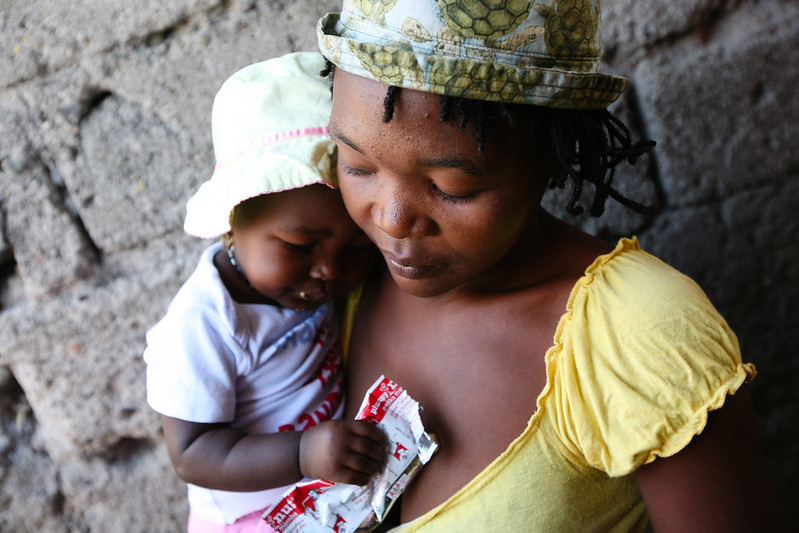
ready to use therapeutic foodChildhood malnutrition is a global crisis affecting millions of children younger than the age of 5. The side effects of childhood malnutrition are devastating, such as lower IQs, poor socioemotional skills, weaker immune systems and many more.

Ready-To-Use Therapeutic Food (RUTF) has a significant impact on treating this condition. This life-saving superfood transforms how severe acute malnutrition is treated, allowing children to recover quickly and regain their health. According to the World Health Organization (WHO), well-nourished children are more capable of escaping poverty as adults during the first two years of life.

Why RUTF?

Ready-To-Use Therapeutic Food is a revolutionary food treatment that’s giving hope to millions of children suffering from severe acute malnutrition (SAM), the deadliest form of hunger. The WHO estimated in 2007 that severe acute malnutrition (SAM) accounts for around one million child deaths annually. Approximately 20 million children worldwide suffer from SAM and those affected have a mortality risk of more than nine times greater than their well-nourished peers.

RUTF is an energy-dense, micronutrient paste designed to treat severe wasting in children younger than 5. Wasting is characterized by low weight-for-height and occurs when a child does not receive enough food or adequate quality. If untreated, it significantly increases the risk of death.

History of RUTF

According to the United Nations Children’s Fund (UNICEF), the concept of RUTF was pioneered by pediatric nutritionist André Briend and food processing engineer Michel Lescanne 25 years ago. RUTF is made from powdered milk, peanuts, butter, vegetable oil, sugar and vitamins and minerals. Each sachet of RUTF provides 500 calories and essential micronutrients, allowing malnourished children to gain weight rapidly.

The invention of RUTF marked a revolution in malnutrition treatment, shifting from the traditional therapeutic feeding centers (TFCs) to home-based care. Previously, children with severe acute malnutrition needed round-the-clock care at TFCs, which were scarce and often located far from the communities they served.

This setup required mothers to leave their homes for weeks, causing lost wages and incomplete treatments. The crowded conditions at TFCs also posed infection risks and in conflict areas like Sudan, they were vulnerable to attacks. Recognizing these challenges, Briend aimed to develop a home-administered solution. His goal was to revolutionize the management of severe acute malnutrition, allowing children to receive treatment safely at home.

RUTF’s Role in Community-Based Management

RUTF is vital for community-based management of children with uncomplicated severe acute malnutrition who still have an appetite. Its two-year shelf life makes it convenient for storage and distribution. The appealing taste and easy digestibility ensure that children readily consume it. Most importantly, RUTF requires no preparation. Children can directly have this nutrient-dense food from the packet, making it safe and reducing the risk of contamination.

According to UNICEF, the treatment of children with severe acute malnutrition was traditionally in facilities where they received specialized therapeutic milk under strict regimens. However, many children arrived too late or could not access these centers due to distance, cost and lengthy treatment durations. RUTF has enabled community-based management and transformed it into a home-based treatment. Its single-dose foil sachets do not require refrigeration or mixing with water, making it practical and safe for home use. This innovation has significantly improved treatment outcomes and accessibility.

Success of RUTF

RUTF and the community-based management of acute malnutrition (CMAM) have proven to be powerful. In emergencies like famine, child mortality rates typically range from 20% to 30%. However, with the combined use of CMAM and RUTF, these rates have dropped to 4.5%, saving countless lives. A notable pilot program in Darfur, Sudan, treated 25,000 acutely malnourished children with similarly positive results.

From 2002 to 2006, Concern Worldwide implemented a large-scale pilot in Malawi, yielding excellent treatment, coverage, community acceptance and cost-effectiveness outcomes. This success led to the publication of the CTC field manual in 2006 and a joint recognition by WHO, UNICEF and the World Food Programme in 2007, establishing CMAM as a global best practice. Today, millions of acutely malnourished children have been successfully treated with RUTF through the CMAM approach. In South Sudan, UNICEF and partners treat nearly a quarter of a million children annually with RUTF, achieving a treatment recovery rate of 95% and averting potential deaths.

Challenges in Distributing RUTF

UNICEF plays a pivotal role in the global distribution of RUTF, procuring and delivering 75-80% of the world’s supply. It ensures that RUTF reaches the most vulnerable children, even in challenging environments. Large-scale operations by UNICEF have saved countless lives during emergencies.

Despite its success, RUTF is not universally available. Many countries do not include RUTF in their essential medicines lists and treatment for severe wasting is often poorly integrated into routine health services. Additionally, the COVID-19 pandemic and global conflicts have increased the cost of RUTF, further limiting its availability.

Conclusion

Ready-To-Use Therapeutic Food has proven to be a lifesaving superfood, transforming the treatment of severe acute malnutrition and saving millions of children’s lives. Its success underscores the need for increased global efforts to ensure all children have access to this essential treatment.

– Sumaiya Sultana

Sumaiya is based in London, UK and focuses on Good News and Technology for The Borgen Project.

Photo: Flickr

July 27, 2024
https://borgenproject.org/wp-content/uploads/borgen-project-logo.svg 0 0 Lynsey 2 https://borgenproject.org/wp-content/uploads/borgen-project-logo.svg Lynsey 22024-07-27 01:30:452024-07-26 07:04:05Ready to Use Therapeutic Food and Childhood Malnutrition
Food Insecurity, Food Security, Global Poverty

Sweet Potato Flour as a Solution to Food Insecurity

Solution to Food InsecurityPoverty and especially rural poverty, is becoming an increasing problem in South Africa, as well as in the whole of Africa. This is leading to urbanization, food insecurity and joblessness. An estimated 20% of the African population is undernourished. In 2022, around 868 million people in Africa experienced moderate to severe food insecurity, while the total population of Africa was approximately 1.42 billion in the same year. Food insecurity can be attributed to poverty, extreme weather and conflict.

One Solution to Food Insecurity

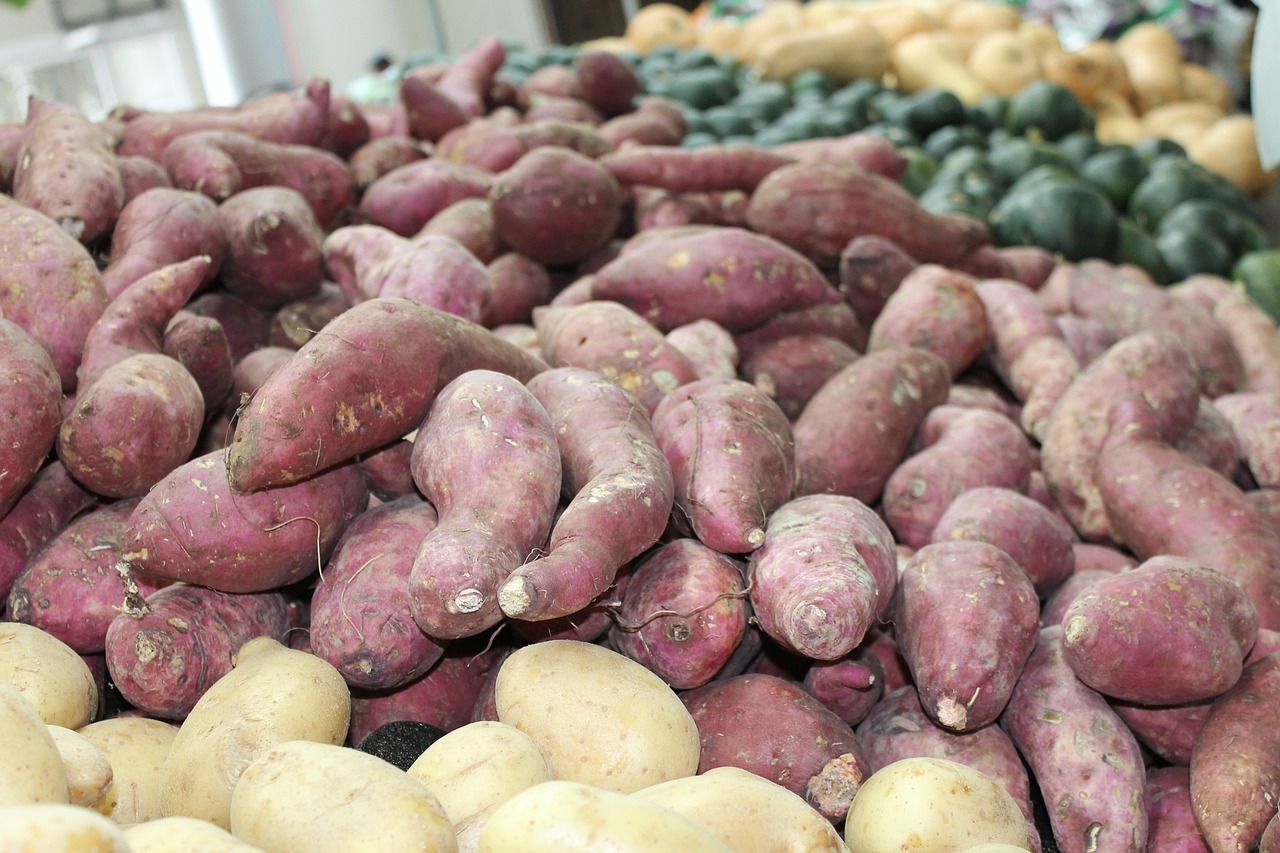
Root and tuber crops, such as sweet potatoes, are important for food security. As a drought-tolerant crop, sweet potatoes are resilient in warm climates like those in sub-Saharan Africa. They are a staple food globally, especially in developing countries, providing affordable and accessible nutrition. Sweet potatoes hold great economic value in South Africa. However, after harvest, there is a limited time to determine when they are good to eat. They are harvested once a year and are ripe for a limited period.

InnoFoodAfrica

InnoFoodAfrica is a cross-continental project that aims to enhance food and nutrition security in Africa. As part of this project, researchers at the University of Pretoria, South Africa, have found a way to make orange-fleshed sweet potato last longer by making flour out of it. A Doctor of Philosophy (PhD) Food Science candidate, Daddy Kgonothi, has been central in the development of this flour. The goal of the invention was to address micronutrient deficiencies among young children and pregnant women.

Sweet potato has a short shelf life of only two to three weeks. The flour, which is made from the same crop, has a shelf life of a whole year. Sweet potato contains beta-carotene, which is converted into vitamin A in the body. Vitamin A deficiency is one of the leading causes of micronutrient deficiencies in children younger than 6 and among pregnant women. Sweet potato also contains a high level of fiber and antioxidants. This protects the body from free radical damage and promotes a healthy gut and brain.

Flour is also a good source of iron, zinc and phosphorus. When sweet potato is made into flour, it lasts longer, which can lead to more people getting their hands on the product. It is also versatile and can be used in many recipes, such as bread. This way, the flour can be a solution to deficiencies.

The Impacts of the Sweet Potato Flour

The flour is one solution to food insecurity in not only South Africa but also large parts of Africa. The development of the flour was finalized in 2022. It allows people to enjoy the nutrients and benefits of the crop all year long. Not only is the flour helping enhance general food insecurity in South Africa and the rest of Africa, but it is especially helping pregnant women and children eat more nutritious food.

– Sigrid Nyhammer

Sigrid is based in London, UK and focuses on Good News for The Borgen Project.

Photo: Pixabay

July 23, 2024
https://borgenproject.org/wp-content/uploads/borgen-project-logo.svg 0 0 Lynsey 2 https://borgenproject.org/wp-content/uploads/borgen-project-logo.svg Lynsey 22024-07-23 03:00:292024-07-23 01:28:39Sweet Potato Flour as a Solution to Food Insecurity
Food Insecurity, Global Poverty, Nonprofit Organizations and NGOs

3 Nonprofits Addressing Food Insecurity in Singapore

3 Nonprofits Addressing Food Insecurity in SingaporeLocated off the southern tip of Malaysia, Singapore, one of Asia’s wealthiest nations, boasts a thriving economy and impressive infrastructure. Despite this, the perception that all of its 5 million citizens live above the poverty line is misleading. In reality, numerous Singaporeans struggle to meet basic needs, with many earning insufficient incomes to secure stable food supplies. Consequently, food insecurity remains a significant concern within the country. As of 2023, more than 10.4% of Singaporean households have experienced food insecurity. Elderly residents, single-parent households and others with limited financial resources are particularly vulnerable to food insecurity.

3 Nonprofits Fighting Food Insecurity

With one in 10 households facing food insecurity, several nonprofits are stepping up to address this pressing issue.

  1. Willing Hearts. Founded in 2003, Willing Hearts began by distributing food to homeless individuals in Singapore. Now, the organization mobilizes volunteers who dedicate four hours per session to prepare meals, including tasks like cutting vegetables, washing dishes and packaging food boxes for distribution daily. In addition to kitchen work, Willing Hearts recruits volunteer drivers to deliver these meals across various neighborhoods. This nonprofit is committed to reducing food insecurity, making it easier for anyone interested to sign up and contribute to their cause.
  2. Food from the Heart. Founded in 2003, the nonprofit Food from the Heart focuses on food distribution in Singapore. In 2021, it positively impacted 59,500 individuals by redistributing surplus bread from restaurants and food vendors. This initiative, known as “bread runs,” has provided more than 14,000 people in need with fresh bread. Additionally, the organization supports children from low-income families by distributing “goodie bags” containing food items. These bags have reached children in more than 40 schools, with more than 16,000 bags distributed. Food from the Heart’s efforts significantly alleviate food insecurity among both adults and children in Singapore.
  3. The Food Bank Singapore. Founded in 2012, The Food Bank Singapore aims to eradicate food insecurity across the nation. This nonprofit gathers surplus food from restaurants, grocery stores, farms and various other sources, distributing these resources to more than 300 soup kitchens and other organizations focused on combating food insecurity. By repurposing surplus food, the organization not only addresses hunger but also reduces food waste significantly. The Food Bank Singapore welcomes food donations and offers volunteer opportunities for individuals to help sort and organize food items in their warehouse.

Looking Ahead

Tackling food insecurity in Singapore continues to be a pressing issue despite the country’s overall affluence. Organizations like Willing Hearts, Food from the Heart and The Food Bank Singapore are vital in mitigating this problem by providing meals and redistributing surplus food to those in need. Their efforts support vulnerable groups, such as the elderly and single-parent families, underscoring the importance of community-driven initiatives to ensure everyone has access to sufficient and nutritious food.

– Poppy Duggal

Poppy is based in Singapore, and focuses on Good News for The Borgen Project.

Photo: Flickr

July 9, 2024
https://borgenproject.org/wp-content/uploads/borgen-project-logo.svg 0 0 Precious Sheidu https://borgenproject.org/wp-content/uploads/borgen-project-logo.svg Precious Sheidu2024-07-09 07:30:232024-07-09 03:47:343 Nonprofits Addressing Food Insecurity in Singapore
Food Insecurity, Global Poverty

Hunger in Northern Ireland

A collection of U.K. charities have united to advocate for better circumstances for U.K. residents in recipients of universal credit. This comes after a groundbreaking investigation into hunger in Northern Ireland by the Trussell Trust.

The Situation

This issue in Northern Ireland has attracted publicity due to the significant volume of people in the country experiencing hunger. This has gained attraction from multiple news outlets, such as the BBC, which reported that “one in six people in Northern Ireland face hunger or food insecurity.” In an interview with the BBC, Karen Mullan from the Foyle Food Bank said that the figures demonstrate a constant busyness within the food banks: “We have seen over the last couple of weeks and months a real rise in terms of food and energy costs, and inflation is affecting all areas of life.”

Karen Mullan mentioned that the sharp rise in inflation during the U.K.’s cost of living crisis is no coincidence with the rising number of people in hunger. Since 2021, the United Kingdom has been facing an unprecedented rise in inflation, and in October 2022 reaching 11.1% “its highest rate in 40 years.” This has led to a sharp increase in the cost of essentials, such as energy and food.

The Trussell Trust’s report found numerous contributing factors to the significant amount of hungry people in Northern Ireland. Firstly, the report found that 79% of food bank visitors had to rely on the network due to their income being too insufficient to support themselves. The investigation also found that difficulty in finding supportive jobs, especially for marginalized groups such as women and disabled individuals was a contributing factor to the financial hardships experienced.

The Affected Population

When investigating which groups accessed food banks the most in Northern Ireland, the Trussell Trust found that disabled people, women and households with children under the age of 16 are significantly overrepresented. Despite people with disabilities making up 30% of the Irish population, the Trussell Trust discovered that this group make up 61% of people who are referred to food banks (within the Trussell Trust network). This refers to a wider issue, where poverty and health, particularly, mental health correlate.

In addition to this, the investigation found that despite households with children under the age of 16 contributing to 34% of the general population of Northern Ireland, they make up 48% of people visiting these food banks within the network. One reason for this, suggested by the report, could be the financial demands that households with young children face, such as the prices of childcare, as well as higher costs of bills due to more people living in a house. Furthermore, the report found that women are twice as likely to refer to food banks as men. The report attributes this to gender inequalities regarding pay.

Brighter Days Ahead

Despite the findings of the Trussell Trust raising alarms, learning who is affected and why is a large step in combatting hunger in Northern Ireland. The report outlines key issues, such as the basic rate of universal credit being insufficient, gender pay inequality and the financial hardships that marginalized groups can be vulnerable to. Now that these findings have surfaced, there have been calls for urgent policy change to alleviate hunger in Northern Ireland, specifically an increase in universal credit to ensure that it is sufficient enough to support everyone, proposing an “Essentials Guarantee” in Northern Ireland.

The Essentials Guarantee would ensure that universal credit recipients receive adequate monetary support to live with the essentials, including food. According to the Joseph Rowntree Foundation (JRF), five in six households on universal credit are going without the essentials. JRF wants the government to back essential guarantees, particularly in families with mental health issues and single parents.

Amnesty International has also campaigned the guarantee, stating that this change is a basic human right, and necessary during times of inflation and for life after COVID-19. The JRW has stated that this guarantee will only positively benefit the economy.

– Ella Turner

Ella is based in St Helens, UK and focuses on World News for The Borgen Project.

Photo: Flickr

July 3, 2024
https://borgenproject.org/wp-content/uploads/borgen-project-logo.svg 0 0 Jennifer Philipp https://borgenproject.org/wp-content/uploads/borgen-project-logo.svg Jennifer Philipp2024-07-03 03:00:342024-07-26 09:28:02Hunger in Northern Ireland
Developing Countries, Food Insecurity, Global Poverty

Food Systems in the Bahamas

Food Systems in the BahamasCountries in the Caribbean, such as the Bahamas, are located in a part of the world where problems induced by varying climatic conditions, such as extreme droughts, destructive flooding and ocean acidification, could negatively affect food systems in the Bahamas.

Reliance on Imported Goods and Health Impacts

Like most Caribbean nations, the Bahamas has little access to land and relies heavily upon imported goods. The Bahamas imports more than 90% of its food needs. Many of these imported goods are processed and contain large amounts of salts and sugar, which negatively impact the health of the Bahamian population.

Food Insecurity and Health Concerns

Between 2019 and 2021, it was estimated that 17% of the Bahamian population faced modest to extreme levels of food insecurity. Although this statistic is considerably below the global average of 33% and the regional average of 38%, there are other concerns. Specifically, 32% of the adult population is obese compared to the global average of 21%. The problem of obesity can be attributed to the country’s reliance on imported goods that are often lacking in nutritional value and unhealthy. Diabetes is also another major health problem in the Bahamas.

Food Accessibility and Government Support Programs

In terms of overall access to food in the country, food is readily available in urban areas; however, the accessibility of food in rural communities remains uncertain. The government aids in making food more accessible by providing grants and financial assistance to impoverished residents, allowing them to purchase food. The National School Feeding Programme supplies meals for young students from low-income families and the government also subsidizes certain foods. Despite these efforts, the National School Feeding Program and subsidy program struggle to provide nutritious options for these underprivileged communities.

In light of these challenges, the Bahamian government is looking to make changes to create a more sophisticated and responsive food system. Notably, the Bahamian government aims to reduce the country’s reliance on imported food by 25% by 2025. Prime Minister Davis explained that this will require increased agricultural output locally, with an emphasis on growing and cultivating healthier options for the population.

In addition, in 2021, the Bahamas became a member of the Agriculture Innovation Mission for Climate initiative, which focuses on promoting sustainability in developing countries like the Bahamas. Through this program, the Bahamas will work on developing sustainably, working with local farmers to utilize more environmentally safe farming methods. Furthermore, it will put effort into research and development of new agricultural techniques meant to minimize environmental impact and increase output.

Summary

Like other countries in the Caribbean, the Bahamas has little arable land. Therefore, it imports almost 100% of its food needs. However, the government is working to increase local food production in an effort to combat food insecurity and unhealthy diets, whilst improving food systems in the Bahamas.

– Brendan Sheehan

Brendan is based in San Rafael, CA, USA and focuses on Good News and Technology for The Borgen Project.

Photo: Flickr

July 1, 2024
https://borgenproject.org/wp-content/uploads/borgen-project-logo.svg 0 0 Lynsey 2 https://borgenproject.org/wp-content/uploads/borgen-project-logo.svg Lynsey 22024-07-01 03:00:252024-06-30 10:50:06Food Systems in the Bahamas
Page 10 of 31«‹89101112›»

Get Smarter

  • Global Poverty 101
  • Global Poverty… The Good News
  • Global Poverty & U.S. Jobs
  • Global Poverty and National Security
  • Innovative Solutions to Poverty
  • Global Poverty & Aid FAQ’s
Search Search

Take Action

  • Call Congress
  • Email Congress
  • Donate
  • 30 Ways to Help
  • Volunteer Ops
  • Internships
  • Courses & Certificates
  • The Podcast
Borgen Project

“The Borgen Project is an incredible nonprofit organization that is addressing poverty and hunger and working towards ending them.”

-The Huffington Post

Inside The Borgen Project

  • Contact
  • About
  • Financials
  • President
  • Board of Directors
  • Board of Advisors

International Links

  • UK Email Parliament
  • UK Donate
  • Canada Email Parliament

Get Smarter

  • Global Poverty 101
  • Global Poverty… The Good News
  • Global Poverty & U.S. Jobs
  • Global Poverty and National Security
  • Innovative Solutions to Poverty
  • Global Poverty & Aid FAQ’s

Ways to Help

  • Call Congress
  • Email Congress
  • Donate
  • 30 Ways to Help
  • Volunteer Ops
  • Internships
  • Courses & Certificates
  • The Podcast
Scroll to top Scroll to top Scroll to top