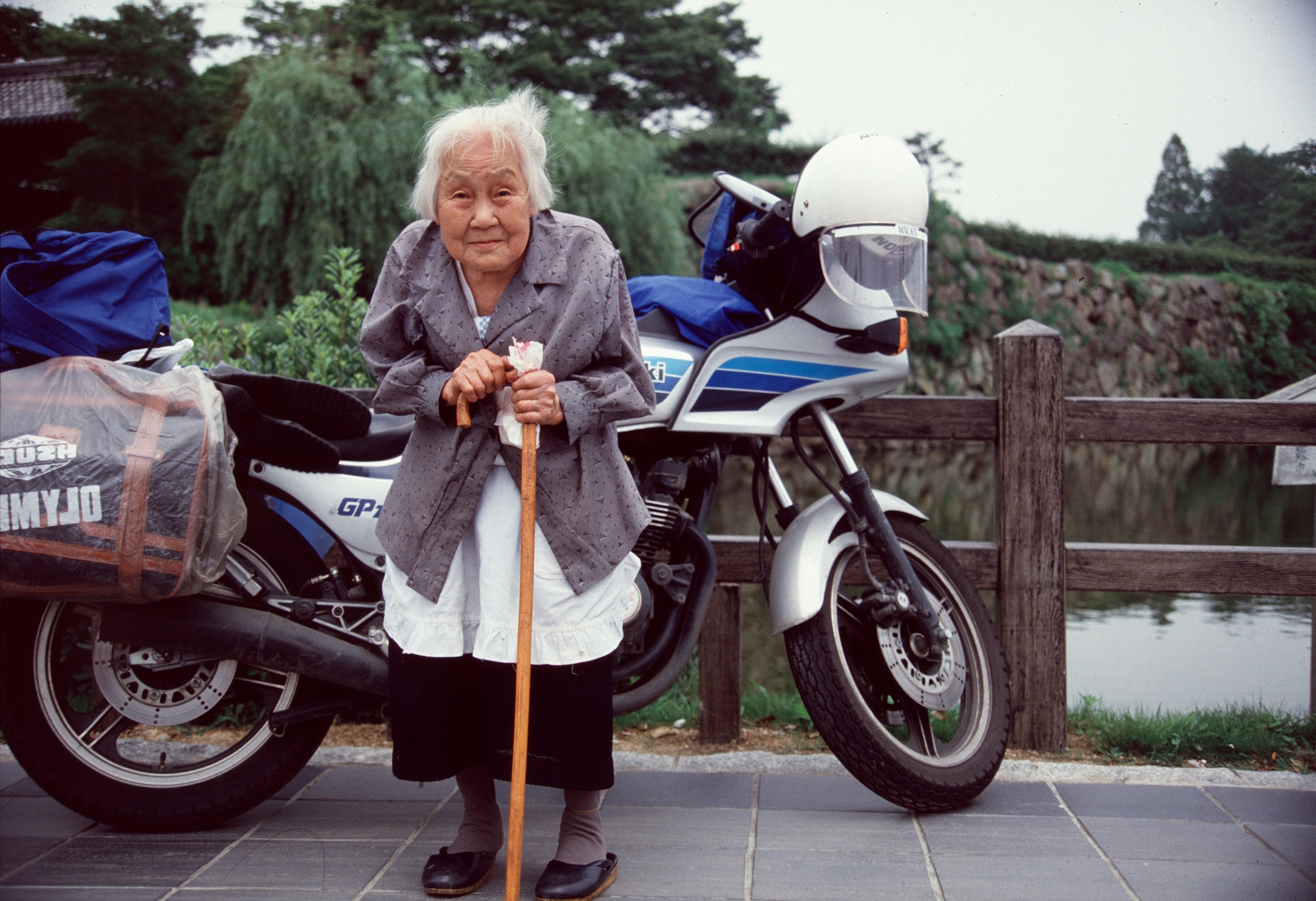
 Japan has some of the world’s highest rates of elderly poverty. While the average poverty rate for seniors among the Organization for Economic Cooperation and Development (OECD) countries is 14%, Japan’s rate is notably higher at 20%. There are many potential causes, the most obvious being the country’s rising population of older adults. In 2020, 29% of Japan’s population was older than 65.
Many seniors rely on national pensions for necessities like food and medical expenses. However, a 2019 survey found that approximately $10,000 is needed annually to cover these daily necessities. In contrast, individuals above 65 receive an annual basic pension of only about $6,000, falling significantly short of the required amount. The pension system is also heavily patriarchal, as single, divorced and widowed women are at a heavy disadvantage. For example, around 44.1% of elderly, single Japanese women live in poverty and that rate is much lower for men (30%).
One reason for this could be from the post-war era when women were socially expected to raise children. At the same time, their husbands would work and earn money for the family. The pension system was therefore built to support men and families, not single women. To address this issue of elderly poverty, Japan has offered solutions that include the continuation of employment, improving health care and city accessibility.
Encouraging Lifelong Work
By encouraging lifelong work, older people can continue to earn money and support themselves. Almost 40% of Japanese companies keep elderly employees and these companies have started programs that aim to keep elderly employees with specialized skills. And company jobs aren’t the only source of work.
More than “70% of the temporary or part-time workers at convenience stores and supermarkets, security guards, custodial workers, care providers, workers at call centers and so on” are above 65. Taxi firms are also increasingly hiring elderly drivers. In addition to these job markets, each municipality in Japan has a “Silver Work” center that helps older adults find jobs.
Improving Health Care
Improving health care can help older individuals stay healthy and remain in the workforce, reducing their reliance on pensions. Better health also decreases the costs associated with medical care and medication, thereby mitigating elderly poverty. One foundation, in particular, has made it its mission to achieve this goal.
The Nippon Foundation and MetLife Foundation initiated the “Better Life Better Place” for the Elderly and Children Program. The program aims to develop 12 care facilities for older people and children by the end of the year. These care facilities will operate like hospice care homes for older people, with volunteers from MetLife Japan employees helping run the homes.
Making Cities More Elderly-Friendly
Creating more elderly-friendly cities can support active lifestyles among seniors, leading to improved health, reduced health care costs and decreased elderly poverty, ultimately fostering happier lives. Some Japanese cities have begun implementing such changes. For instance, Akita has launched initiatives to encourage social engagement among older adults, including a one-coin bus service that provides affordable transportation for seniors.
Conclusion
These three solutions aim to ensure that the elderly remain healthy, enabling them to earn income and lead fulfilling lives. Since health care costs are a significant driver of elderly poverty, improving health and reducing these costs can greatly alleviate financial burdens. By fostering better health, seniors’ overall cost of living could decrease significantly.
– Hannah Chang
Hannah is based in Philadelphia, PA, USA and focuses on Good News and Politics for The Borgen Project.
Photo: Wikimedia Commons
 With
With 
 Mauritius is an island country in East Africa with a current population of
  In 2022, the estimates showed that

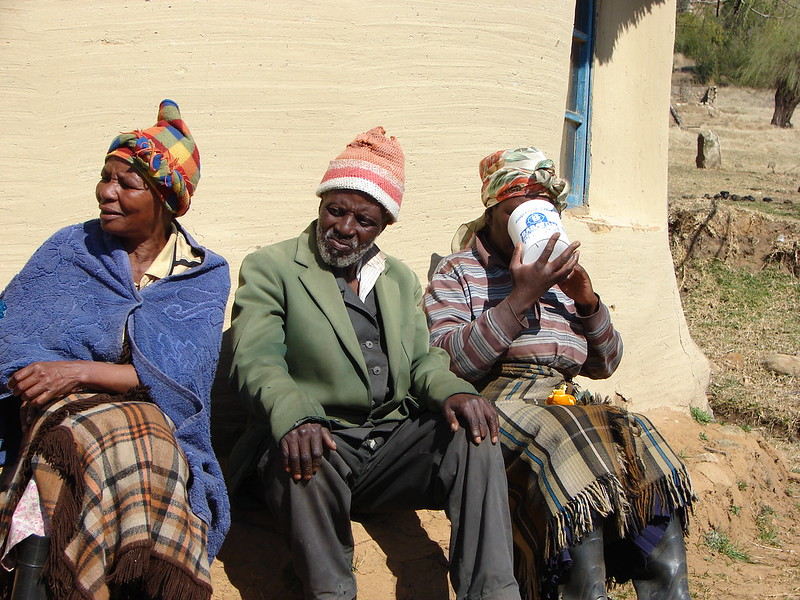
 South Africa, a nation grappling with various tribulations confronts yet another growing challenge: elderly poverty.
 The United Arab Emirates (UAE) has experienced an increase in life expectancy which means the mortality rate has reduced. This is a positive development with the growth of the elderly population