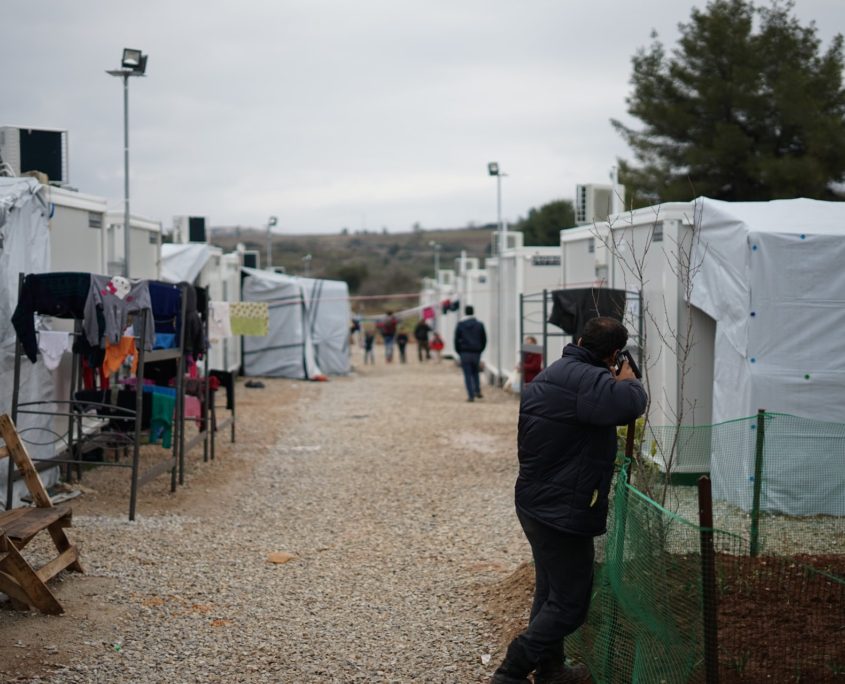
The Dom community has been present in Turkey and the Middle East for thousands of years. Like their more popular Romani counterpart, the Dom people have roots in the Indian subcontinent. Throughout the ages, the Dom people have faced exile and oppression. The Dom people are Turkey’s invisible population. However, the villainization of historically nomadic peoples is more prevalent now than ever. The growing disdain for ethnic non-Turks has made the situation worse. Many Dom people are now at severe risk of food scarcity and homelessness. Dom communities face much of the brunt of xenophobia in Turkey today.
The Dom Throughout the Ages
Thousands of years ago, India and the surrounding regions were home to dozens of different languages and nomadic peoples. One of these languages was Domari and the speakers were the Dom. The name “Dom” is also the name of one of the lowest castes in the Hindu religion. However, it is unclear whether the two groups relate due to sparse historical documentation and sources.
While the more popular Romani nomads migrated out of the Indian subcontinent in the ninth and 10th centuries BCE, the Dom migrated in the 13th and 14th centuries, primarily into the Middle East and Anatolia. Most Dom populations reside in Syria, Turkey, Palestine, the broader Levant region and potentially Iraq and Iran.
Within these regions, the Dom and other nomadic Indo-Aryan groups have faced centuries of ethnic discrimination, even after having adopted sedentary lifestyles. Many Dom communities maintain the same religion, cultural practices and languages of the regions in which they reside, with the Domari language becoming less and less known in Dom communities.
The Dom in the Present Day
In the present day, the Dom population in Turkey primarily resides in the south-eastern region of the country, near Iraq and Iran. Before the outbreak of the Syrian Civil War, there was also a sizable concentration of Dom living in Aleppo. President Recep Tayyip Erdoğan currently leads Turkey, representing the conservative, Islamist-based Justice and Development Party (abbreviated to AKP in Turkish). The AKP is known for its opposition to both the growing Syrian Refugee presence and the country’s Kurdish population. One 2019 poll found that 68% of AKP supporters expressed disdain for the Syrian refugee presence in Turkey, with similar figures coming from the party’s political allies.
In the same year, Erdoğan brought his disdain for ethnic Kurds to America, culminating in the presentation of an anti-Kurdish video to then-President Donald Trump. To add fuel to the fire, these two groups often coincide with one another, with many Syrian Kurds seeking refuge in Turkey.
In the middle of these tensions lies the Dom population of Turkey. The Dom population often goes unseen entirely among the regional turmoil. However, the Syrian Civil War and Kurdish tensions in Turkey are also affecting the Turkish Dom. Coincidentally, the regions that are home to Kurds and refugees in southeastern Turkey and northern Syria, are where the Dom live.
The Dom: Turkey’s Invisible Population
As a result of the historical marginalization of the Dom, there is ambiguity in regards to Dom communities today. For instance, there is no official census for the Dom population in Turkey. Many Dom community members also reject the “gypsy” label as it could potentially result in further alienation, instead opting to refer to themselves as Arab or Turkmen.
The Dom experience some of the highest rates of homelessness, food scarcity and illiteracy among Turkey’s marginalized groups. Dom families struggle to find housing, with entire communities relegated to living in makeshift shelters or tents. Many Dom living in refugee camps have attested to ethnic discrimination in food distribution by NGOs. Those not inhabiting refugee camps lack access to food. The Dom population has far lower rates of literacy and formal education than their ethnically Turkish counterparts.
Organizational Relief for the Dom
Luckily, organizations providing aid and relief for the Dom population in Turkey are working hard to improve the situation. Many regional organizations, like the Tarlabaşı Community Center in Istanbul, are committed to providing much-needed resources to Dom communities and refugees in need.
Additionally, one Turkish-based organization, Kırkayak Kültür – Dom Research Workshop, is gaining traction as one of the leading organizations for the Dom population in Turkey. Founded in 2011, Kırkayak Kültür is an advocacy group fighting for policy change and raising awareness. It has taken an active role in bringing awareness for the Dom people among NGOs and governmental institutions.
With the physical hardships and the centuries-long social ostracization of Dom communities, relief for Syrian and Turkish Dom is necessary. If Dom’s culture, language and identity are to survive, preservation and advocacy efforts like Kırkayak Kültür are essential. Through their work in this area, community organizations in Turkey are leading the charge with aid for Turkey’s invisible population.
– Madeleine Youngblood
Photo: Unsplash

Aiding Farmers During Drought in Taiwan
For the first time in nearly 60 years, not a single typhoon hit the island of Taiwan in 2020. With no typhoons and little rain otherwise, the current drought in Taiwan is the worst the country has endured in decades.
Although droughts occur every few years, the current drought in Taiwan has brought water levels in the country to alarmingly low levels. Reservoirs in the country are very dry, with some reaching less than 10% total capacity. So far, the drought has lasted for more than 18 months. With 2021’s rainy season already nearly over, the end for Taiwanese citizens and farmlands is nowhere in sight.
Affecting the Farmers
Doughts have hit Taiwanese farmers particularly hard. The Taiwanese government has stopped irrigating more than 74,000 hectares of farmland. This was to conserve water and protect the island’s booming microchip manufacturing infrastructure. Manufacturing giant Taiwanese Semiconductor Manufacturing Company (TSMC) reportedly uses up to 156 million liters of water daily while recycling an estimated 86% of consumed water. Farmers have transitioned from traditional crops including rice to low-water crops that include watermelons and sunflowers.
Poverty rates in Taiwan are low in comparison with poverty rates globally — with roughly 1% of the population “poor or belonging to the low-income bracket.” However, the drought in Taiwan will hit the rural poor the hardest. Poor farmers will suffer as landowners accept government subsidies in exchange for leaving farmland fallow. The farmers are unable to speak their minds for fear of angering the landowners.
Manufacturing giants including TSMC can use a portion of the profits to transport truckloads of water from rainier regions in Taiwan. However, farmers have had to resign to sipping tea and bicycling around town as the lands crack under the beating sun. As one Taiwanese farmer, Hsieh Tsai-shan, told the New York Times, “being a farmer is truly the worst.”
The Struggle to Balance
The historic drought in Taiwan has highlighted shortcomings in the country’s handling of water across the nation. While some chide Taiwanese households for consuming too much water due to low water prices, others clarify that rainfall in Taiwan has been decreasing steadily over the past few decades.
The government has been working hard to address the drought efficiently. Taiwan depends heavily on microchip manufacturers, including TSMC, as a country. The TSMC accounts for “more than [90%] of the world’s manufacturing capacity for the most advanced chips.” Because of this, the Taiwanese government has authorized the companies to continue working within normal capacity. However, the companies recycle water at high percentages. Recycling does not fully make up the 63 million gallons of water TSMC consumed in 2019 across all of its manufacturing facilities.
Restoring the Water
The allowances for manufacturing companies come at a cost. The recent drought in Taiwan has decimated its farming industry. It is not unusual for the government to shut off irrigation on a large scale in order to save water. However, it has only been six years since the last shut-off and farmers are struggling as a result.
The government is not only helping manufacturers including TSMC. It is also helping farmers by:
Only time will tell how long this crushing drought in Taiwan will last. Through the Taiwan government’s work, it may be able to overcome its shockingly low poverty rate of 1%, or at the very least, prevent poverty from rising.
– Thomas McCall
Photo: Flickr
Progress Against HIV/AIDS in Thailand
HIV — first identified in 1981 — is a viral infection that attacks the human immune system and spreads through bodily fluids. If left untreated, it can cause AIDS, a condition with which most people only survive a few years. There is no cure for HIV/AIDS, but there are treatments such as antiretroviral therapy that can keep the infection from progressing to AIDS.
HIV/AIDS in Thailand
The first case of HIV/AIDS in Thailand was in 1985, and the country continues to have one of the highest rates of the disease in Asia and the Pacific. An estimated 470,000 people are living with HIV/AIDS in Thailand, and 14,000 AIDS-related deaths occurred in the country in 2019.
Like in other countries, the Thai populations most at risk for HIV/AIDS are those living in poverty or otherwise on the margins of society. These circumstances can reduce access to healthcare and testing, which is made worse by the heavy stigmatization of the disease.
Progress in Thailand
However, the Thai government has made substantial progress against the virus after making it one of the country’s prioritized health initiatives. In 2006, Thailand incorporated HIV services into its universal healthcare system, and now testing and treatment are free for anyone who might need them.
Awareness campaigns have also had a large impact on the state of HIV/AIDS in Thailand. The government has partnered with civil society groups to increase public knowledge both about the disease and preventative measures. Another important aspect of these partnerships has been specific efforts to reduce the stigma associated with HIV/AIDS.
Since 2010, the rate of new infections in Thailand has dropped 65%, and AIDS-related deaths have fallen 44%. These improvements have directly resulted from the efforts to increase awareness and improve access to healthcare and testing. Of the Thai population living with HIV, 80% are on antiretroviral treatment, and 78% have suppressed viral loads preventing the infection from progressing to AIDS.
Thailand is also the first country that has nearly eliminated mother-to-child transmission of HIV/AIDS. Now, less than 2% of children test positive for HIV after being exposed. This has significantly reduced the number of children who are infected and need antiretroviral care.
Future Goals
With all of this progress, the government is in a strong position to continue reducing the prevalence of HIV/AIDS in Thailand. The country still has not met UNAIDS’ 90-90-90 targets where 90% of those HIV positive are aware of their status, 90% are on antiretroviral treatment and 90% have suppressed viral loads. However, Thailand’s efforts remain an important international model of effective policy against HIV/AIDS.
Through its focus on decreasing the number of new infections and improving access to antiretroviral treatment, the prevalence of HIV/AIDS in Thailand has decreased. Along with its prioritization of spreading information and awareness about the disease and its transmission, Thailand has created an effective method for tackling HIV/AIDS.
– Nicole Ronchetti
Photo: Flickr
Mental Health in Ireland During COVID-19
According to the Human Development Index (HDI), Ireland is the second most developed country. The index ranks countries based on life expectancy, schooling and gross national income. However, the number of people with mental illness in Ireland is among the highest in Europe. Moreover, the COVID-19 pandemic has worsened mental health in Ireland.
Pre-Pandemic Conditions
In 2016, records indicated that 18.5% of the Irish population had a mental health illness. In 2018, The Irish Times ran an article about the prevalence of mental health issues. The paper reported that mental health problems cost the Irish economy over €8.2 billion a year. This is equal to roughly $9.9 billion in the United States. The report stated that one in six individuals in Europe received a mental illness diagnosis in 2016 and that more than 84,000 deaths were due to mental illness or suicide in 2015.
Stigma has a vastly negative impact on mental illnesses in Ireland. Just like in many other countries, those with mental illness fear ridicule and isolation. This can delay people in getting the help they need. Although programs to try and lessen the stigma have been circulating over the years, stigma remains an issue that prevents those who need help from getting it.
The COVID-19 Pandemic’s Impact on Mental Health in Ireland
An article from the Irish Journal of Psychological Medicine, published in May 2020, identified health needs that could occur and require addressing during four waves of the COVID-19 pandemic. During the first wave of the pandemic, the idea was that Ireland’s health system should prepare to address health needs that would emerge during the subsequent waves.
The article determined that during the second wave of the pandemic, people would not seek medical care due to a fear they would become infected with COVID-19. In fact, many people with non-serious conditions and preexisting mental health conditions held off from attending regularly scheduled appointments.
Estimates have determined that the fourth wave will be the largest and longest phase of the pandemic. It is not likely to peak until months after the other phases and could continue for months after COVID-19 infections start dropping. In this fourth wave, the healthcare industry could see many new mental illness cases. Indeed, these could involve those mourning COVID-19 losses, frontline workers under stress, COVID-19 survivors and more. There will also likely be many cases of relapse among those who already struggled with mental health illnesses before the pandemic.
In Ireland, the funding for mental health services has remained low, especially compared with other countries. Compared to New Zealand and the United Kingdom, which both have 12% of the overall health budget allocated to mental health services, Ireland allocates roughly 6%. Investments and innovation are urgent to ensure that people do not overwhelm mental health services. Moreover, it is essential that professionals can respond accordingly when necessary. A survey of 195 psychiatrists in Ireland found that there was an increased number of referrals for anxiety disorders and depression as of 2021.
Solutions
Ireland added another €1 billion to the healthcare budget for 2020. This funding went toward extending free childcare and providing additional employment for therapists and nurses. The additional therapists could help curb the state of mental health in Ireland.
In addition, Ireland’s budget for 2021 includes another €4 billion for healthcare. Additionally, new mental health services will receive €38 million in funding. The plan will be for the enhancement of mental health community teams, child and adolescent mental health services, crisis resolution services, development of clinical care programs and investment in peer support workers and employment supports.
Mental illness in Ireland is a pronounced issue to society, and the COVID-19 pandemic has worsened it. The increase in funding for healthcare in the budget shows that the government has taken steps towards improving mental health services. It may take time to overcome the hurdles pertaining to mental health, but Ireland is making an effort.
– Courtney Roe
Photo: Flickr
African Doulas Gaining Popularity
African doulas have been gaining popularity in a variety of ways in recent years. Doula Wambui Wanguhu Wanjau, a native Kenyan, trained as a nurse in Sweden and became a traveling nurse in Australia. While she was there, she met doulas: trained professionals who provide emotional, physical and informational support. Doulas play a role throughout a woman’s pregnancy, labor, delivery and postpartum period. When Wanguhu Wanjau returned to Kenya and personally experienced a difficult pregnancy and delivery, she realized that Kenya needed doulas. Doula Wambui then pursued training from Doulas of North America International (DONA), the world’s leading doula training and certification organization. Doula Wambui began her doula practice slowly. Initially, Kenyan women did not understand a doula’s role and why they had to pay someone to labor with them. As women began to realize the benefits of having a pregnancy, childbirth and postpartum coach, Doula Wambui’s practice grew steadily.
Doulas have slowly been gaining popularity in low- and middle-income countries (LMIC) in Africa during the last decade. Among them are Kenya, Uganda, Senegal and South Africa.
Benefits of Doulas
In 2016, the World Health Organization (WHO) developed a Safe Childbirth Checklist. This checklist includes having the presence of a doula at births. WHO asserted that the globe could avoid many of the 303,000 maternal deaths, 2.6 million stillbirths and 2.7 million newborn deaths that occur annually with the support of doulas.
WHO reported that mothers who have a childbirth attendant (family member, friend or doula) in the room during labor need fewer pain medications and have more vaginal births and fewer cesarean, vacuum or forceps births which have more complications. Doulas recognize danger signs in the labor process or in the newborn and alert medical staff. Newborns whose moms have doulas have stronger Apgar scores and bond better with their moms.
Doula Wambui believes that when a doula is present, patients are more likely to avoid a cesarean section. She noted that women with doulas have shorter births. According to Wambui, doulas help them relax so that their bodies can produce oxytocin which is necessary to progress labor.
African Doulas in Uganda and Senegal
Laura Wando, a doula in Kampala, Uganda, shared in a 2016 Daily Monitor article that during the first prenatal visit she discusses birth experience expectations and preferences. She guides the family on what to look for on a hospital tour. On the second visit, she uses a checklist to discuss birth planning. This includes discussion on the various stages of labor, medication and labor positions. During the third prenatal visit, she reviews comfort choices. Doula Wando is on-call two weeks before the due date and visits the family about four days after the birth.
While most African doulas are female, a new movement in Senegal is introducing male doulas to guide men during their partners’ pregnancies. Traditionally, Senegalese pregnancy and childcare are strictly female responsibilities; men do not accompany their partners as birthing partners. The Senegalese version of a doula, a “Bajenu Gox,” or “Godmother” in Wolof, guides women into motherhood. According to a 2021 Euronews story, a group of Bajenu Gox realized that men would benefit from doulas of their own and promoted the idea of male doulas. Now 54 male doulas called “Nijaayu Gox,” or “Godfathers” in the Dakar area go door-to-door talking to men about ways to involve themselves in their partners’ pregnancies and guide them into fatherhood.
The COVID-19 Pandemic and African Doulas
The COVID-19 pandemic has altered the doula role by restricting the number of people allowed in the labor room. Because most African doulas receive the “non-essential” classification, they have had to perform their duties virtually. A 2021 Frontiers in Sociology research report shared the experiences of a South African doula whose client had to choose between her partner and her doula as the one non-essential person accompanying them. Because the doula’s role is different than that of the partner, she implied that the lack of her presence led to an unnecessary cesarean birth.
The researchers shared that as 2020 continued, most doulas adapted to the restrictions and used technology. Many doulas have attended births virtually during the pandemic. One South African doula had her client wear earphones during labor so she could hear her encouragement and guidance. The report explained that doulas themselves disagree about wanting others to consider them essential and allowing them in the labor room. The report concludes, “Now more than ever we need to recognize and support the essential work that doulas do, as well as invest in strategies that increase access to doula care for women worldwide in sustainable ways.”
When the pandemic is over, Doula Wambui plans to seek funding to train community doulas in Kenya. She hopes that more pregnant women will receive emotional, physical and informational support during their pregnancy, childbirth and the postpartum period.
– Shelly Saltzman
Photo: Flickr
HIV/AIDS Prevention and Treatment in Botswana
The AIDS crisis shook the world in the 1980s, but some countries, including Botswana, are still trying to find their footing in terms of HIV/AIDS prevention and treatment. HIV/AIDS prevention and treatment in Botswana has been a struggle, but the country is taking the right steps forward to fight the virus.
HIV/AIDS Prevention and Treatment in Botswana
Botswana has the fourth-highest rate of HIV in the world, with a rate of 20.3%. In 2000, the peak rate was 26.3% and rates have decreased every year since. The National AIDS Coordinating Agency created a treatment plan to offer universal free antiretroviral treatment (ART), making Botswana the first country in the Southern African region to do so. This effectively reduced the rates of HIV in Botswana.
This first strategy for treatment is simple. The test and treat strategy gives people who test positive for HIV access to immediate treatment. With enough treatment, HIV levels can become so low that they are undetectable on a test. However, this does not mean treatment should be stopped. Continued treatment is necessary in order to maintain an “undetectable viral load,” which means the chance of a person transmitting HIV is zero.
Women and HIV/AIDS
More than half (56%) of people who have HIV in Botswana are women. HIV disproportionately affects women in Botswana for reasons including sex work, forced marriage, domestic violence and more. Botswana’s HIV prevention strategy includes offering protective solutions as 85% of condoms available in the country are free. However, the country’s sex education is vague and does not cater to women or young people.
Many women contract HIV at a young age because of forced youth marriage, domestic violence and more. Botswana’s sex education program holds ideas such as faithfulness and cultural traditions as the basis of its programs. Without comprehensive and adequate sex education, Botswana’s HIV rates remain high even though treatment is easily accessible.
HIV’s disproportionate effect on women in Botswana triggered the creation of a second treatment plan called Option B+. Option B+ functions similarly to the test and treat strategy, but is specific to women. Since women can pass HIV on to children, after a woman tests positive for HIV once, she receives ART for the rest of her life under Option B+, regardless of whether the HIV becomes undetectable on a test. This lowers the chance of a woman passing HIV on to a baby, which reduces HIV rates among the general population.
Looking Ahead
Botswana’s treatment plans for HIV and AIDS using ART transformed the country from struggling with an epidemic to having a strong plan for it. As of 2017, out of 380,000 people who had HIV in Botswana, 320,000 of them had access to treatment. Botswana is on its way to ending AIDS as a public health threat through its treatment plans.
– Sana Mamtaney
Photo: Flickr
3 Ways Healthcare in Bahrain is Advanced
Bahrain is an Arab state located on the southwestern coast of the Persian Gulf. The country includes Bahrain Island and around 30 other small islands. Its economy relies on crude oil production and a rising service industry that tourism dominates. While many surrounding countries struggled with COVID-19, Bahrain has adapted well to the pandemic. Not only did the government provide free medical treatment, but Bahrain did this while experiencing Iranian cyber attacks. Bahrain’s Information and eGovernment Authority intercepted 6 million attacks and more than 830,000 malevolent emails from Iranian servers. While Bahrain certainly has challenges to face regarding other regional actors, three critical facts about healthcare in Bahrain indicate a highly successful healthcare program.
3 Progressions of Bahrain’s Healthcare
Looking Ahead
Even though Bahrain has faced challenges from Iran, its healthcare system has been quite successful. Through its decision to implement universal healthcare, all Bahraini citizens, even those with low incomes, can obtain quality healthcare.
– Kendall Carll
Photo: Flickr
Access to Emergency Maternal Transport in Africa
In 2017, across the globe, 810 women died each day from preventable pregnancy and childbirth-related complications. Sub-Saharan Africa has the highest maternal mortality rate in the world. Women face 15 times the risk of dying from pregnancy and childbirth complications compared with women in developed countries. In this region, over half of the women do not have access to emergency obstetric care during labor, citing financial concerns or issues with accessing emergency maternal transport to hospitals. Vodafone and Transaid are organizations working to mitigate the barriers pregnant women encounter in accessing emergency maternal transport in Africa.
During an obstetric emergency, every second a pregnant woman experiences a delay in skilled care, the higher the risks of stillbirth, neonatal or maternal death. Many cases of maternal mortality are due to severe bleeding after childbirth, postpartum infection and blood pressure disorders. All of these are preventable and treatable with timely and skilled care. Urgent emergency maternal transport to adequate health facilities can be the difference between life and death.
Accessing Emergency Maternal Transport in Africa
Demography and Health Survey data from more than 40 countries revealed that while 50% of women cite finances as the primary obstacle for seeking obstetric care and 37% reported transportation challenges. In addition, 37% cited distance to be their main barrier. Access to mobilized vehicles in developing countries is incredibly rare. For example, only one vehicle is available for every 3,000 people. For comparison, in the U.S., there is one vehicle per 1.19 persons.
A study in rural Ghana found that 65% of women use public transport, 29% walk, 4% use personal cars and 1.6% ride by motorbike. However, much of this transportation is inaccessible because of high costs. The distance to an adequate healthcare facility is highly determinant of maternal outcomes, especially in rural areas of developing countries. A study in Southern Tanzania by Lancet Global Health found that “living more than 35 km away from a health care facility has a much higher likelihood of maternal mortality compared with those only living at a distance of only 5 km.”
Even when vehicles are available and distance is not a barrier, insufficient and dangerous road systems inhibit transport to hospitals. In developing countries, poor road networks make access to skilled healthcare challenging, especially for remote, rural areas. With road conditions unsuitable for many vehicles, women have few viable options.
Effective Interventions: Transaid
Organizations involved in transportation interventions often include direct provision of transportation or monetary schemes. This eliminates the financial burden on families seeking emergency maternal healthcare. Dependent on each community, organizations tailor the intervention to best support the residents.
Transaid, in partnership with the National Union of Road Transport Workers, has implemented emergency maternal transport interventions in Nigeria for more than a decade. Transaid’s project “focuses on training and encouraging local taxi drivers to transport pregnant women to health centers.” Drivers are incentivized to volunteer because they receive permission to park in front of the loading queue. This can “potentially save many hours of waiting for passengers.” Transaid has also had a huge impact through its More Mamaz campaign in rural Zambia. The More Mamaz campaign has trained 236 drivers and safely transferred more than 3,500 women to health facilities. The percentage of women delivering at health facilities rose from 64% to 89% from 2014 to 2017.
Vodafone
Vodafone, a mobile technology company, working in conjunction with Touch Foundation, created the m-mama program, a mobile technology program that connects women in rural Tanzania to local taxi drivers acting as “taxi ambulances.” The 24/7 dispatch center is called in an obstetric emergency and the dispatcher skillfully assesses the patient’s condition and connects them to a network of more than 100 taxi drivers responding to emergency calls. Upon arrival at the health center, drivers receive their pay instantly via Vodafone’s mobile money transfer system. Additionally, the service has also trained over 250 community health workers in the Sengemera and Shinyanga states of Tanzania. Vodafone’s successes have led to a partnership with the Lesotho Ministry of Health in South Africa to expand this program.
The Impact of Emergency Maternal Transport in Africa
The results of interventions have been promising. When South Africa issued 18 dedicated vehicles for maternity care, there was a “sustained reduction in mortality.” Similarly, in the Gambia, a “freely available ambulance service in connection with women’s obstetric needs correlated with substantially reduced pregnancy-related mortality.”
In an effort to provide safe, timely and reliable emergency maternal transport to specialized obstetric care, organizations have shown great innovation in how they train, incentivize and mobilize communities to improve outcomes for pregnant mothers.
– Brittany Granquist
Photo: Flickr
The Impact of COVID-19 on Poverty in Indonesia
Indonesia is an island country off the coast of Southeast Asia, and the fourth-most populous country in the world, with nearly as many inhabitants as the U.S. The Human Development Index has classified Indonesia as a middle-income country. The Centers for Disease Control and Prevention (CDC) has also stated that COVID-19 poses a significant threat to Indonesia. Below are six facts about the impact of COVID-19 on poverty in Indonesia.
6 Facts About the Impact of COVID-19 on Poverty in Indonesia
The COVID-19 pandemic has proven dangerous for Indonesia, but various public and private efforts are helping alleviate the situation. Still, foreign aid will help ensure the recovery from the impact of COVID-19 on poverty in Indonesia.
– Sawyer Lachance
Photo: Flickr
The Dom: Turkey’s Invisible Population
The Dom community has been present in Turkey and the Middle East for thousands of years. Like their more popular Romani counterpart, the Dom people have roots in the Indian subcontinent. Throughout the ages, the Dom people have faced exile and oppression. The Dom people are Turkey’s invisible population. However, the villainization of historically nomadic peoples is more prevalent now than ever. The growing disdain for ethnic non-Turks has made the situation worse. Many Dom people are now at severe risk of food scarcity and homelessness. Dom communities face much of the brunt of xenophobia in Turkey today.
The Dom Throughout the Ages
Thousands of years ago, India and the surrounding regions were home to dozens of different languages and nomadic peoples. One of these languages was Domari and the speakers were the Dom. The name “Dom” is also the name of one of the lowest castes in the Hindu religion. However, it is unclear whether the two groups relate due to sparse historical documentation and sources.
While the more popular Romani nomads migrated out of the Indian subcontinent in the ninth and 10th centuries BCE, the Dom migrated in the 13th and 14th centuries, primarily into the Middle East and Anatolia. Most Dom populations reside in Syria, Turkey, Palestine, the broader Levant region and potentially Iraq and Iran.
Within these regions, the Dom and other nomadic Indo-Aryan groups have faced centuries of ethnic discrimination, even after having adopted sedentary lifestyles. Many Dom communities maintain the same religion, cultural practices and languages of the regions in which they reside, with the Domari language becoming less and less known in Dom communities.
The Dom in the Present Day
In the present day, the Dom population in Turkey primarily resides in the south-eastern region of the country, near Iraq and Iran. Before the outbreak of the Syrian Civil War, there was also a sizable concentration of Dom living in Aleppo. President Recep Tayyip Erdoğan currently leads Turkey, representing the conservative, Islamist-based Justice and Development Party (abbreviated to AKP in Turkish). The AKP is known for its opposition to both the growing Syrian Refugee presence and the country’s Kurdish population. One 2019 poll found that 68% of AKP supporters expressed disdain for the Syrian refugee presence in Turkey, with similar figures coming from the party’s political allies.
In the same year, Erdoğan brought his disdain for ethnic Kurds to America, culminating in the presentation of an anti-Kurdish video to then-President Donald Trump. To add fuel to the fire, these two groups often coincide with one another, with many Syrian Kurds seeking refuge in Turkey.
In the middle of these tensions lies the Dom population of Turkey. The Dom population often goes unseen entirely among the regional turmoil. However, the Syrian Civil War and Kurdish tensions in Turkey are also affecting the Turkish Dom. Coincidentally, the regions that are home to Kurds and refugees in southeastern Turkey and northern Syria, are where the Dom live.
The Dom: Turkey’s Invisible Population
As a result of the historical marginalization of the Dom, there is ambiguity in regards to Dom communities today. For instance, there is no official census for the Dom population in Turkey. Many Dom community members also reject the “gypsy” label as it could potentially result in further alienation, instead opting to refer to themselves as Arab or Turkmen.
The Dom experience some of the highest rates of homelessness, food scarcity and illiteracy among Turkey’s marginalized groups. Dom families struggle to find housing, with entire communities relegated to living in makeshift shelters or tents. Many Dom living in refugee camps have attested to ethnic discrimination in food distribution by NGOs. Those not inhabiting refugee camps lack access to food. The Dom population has far lower rates of literacy and formal education than their ethnically Turkish counterparts.
Organizational Relief for the Dom
Luckily, organizations providing aid and relief for the Dom population in Turkey are working hard to improve the situation. Many regional organizations, like the Tarlabaşı Community Center in Istanbul, are committed to providing much-needed resources to Dom communities and refugees in need.
Additionally, one Turkish-based organization, Kırkayak Kültür – Dom Research Workshop, is gaining traction as one of the leading organizations for the Dom population in Turkey. Founded in 2011, Kırkayak Kültür is an advocacy group fighting for policy change and raising awareness. It has taken an active role in bringing awareness for the Dom people among NGOs and governmental institutions.
With the physical hardships and the centuries-long social ostracization of Dom communities, relief for Syrian and Turkish Dom is necessary. If Dom’s culture, language and identity are to survive, preservation and advocacy efforts like Kırkayak Kültür are essential. Through their work in this area, community organizations in Turkey are leading the charge with aid for Turkey’s invisible population.
– Madeleine Youngblood
Photo: Unsplash
Separatists in Cameroon Communicate for Peace
Cameroon is located in Central Africa, bordered by Nigeria. The southwest and northwest regions of Cameroon are Anglophone, while the rest of the country is Francophone. This split in language has been a source of conflict for separatists in Cameroon. Politically, the ruling party within the country is the Cameroon People’s Democratic Movement. The party holds 152 of the 180 seats in the National Assembly. In Congress, CPDM rules more than 81% of the Senate. Cameroon’s president, Paul Biya, is serving his seventh term since 1982.
Poverty in Cameroon
The poverty rate in Cameroon increased by 12% between 2007 and 2014. A total of 8.1 million people lived in poverty in 2014, with about 56% residing within the country’s northern regions. The Central African Economic and Monetary Community reports Cameroon as having the largest economy within the area that is experiencing an economic crisis. In April 2017, the World Bank’s Country Economic Memorandum stated that Cameroon would become an “upper-middle-income” country by 2035.
Who Are the Separatists?
Separatists in Cameroon are a group in the north Anglophone regions. They aggressively seek independence against Cameroon’s security forces. Starting in September 2017, this fight has progressively displaced more than 500,000 people and killed nearly 400 civilians and more than 200 military and police officers. In March 2019, the U.N. Refugee Agency claimed that 32,602 Cameroonian refugees reside in Nigeria. Of these refugees, 51% are children and 53% are women.
Separatists in Cameroon have kidnapped and killed children at school. In November 2019, the U.N. Children’s Fund found that 855,000 students were not going to school in English-speaking regions. About 90% of primary schools and 77% of secondary schools run by the state were dysfunctional or shut down.
Open to Communication
Currently, the separatist movement has left about 800,000 people homeless and 3 million lives uprooted. COVID-19 increased those numbers, and separatists in Cameroon have recently been fighting for mutual peace through this pandemic. Even though President Biya disapproves of separatists, as he considers them terrorists, a small pro-talks group led by intelligence chief Maxime Eko Eko and Prime Minister Joseph Dion Ngute has tried to communicate with separatist leaders.
In April 2020, a man named Sisiku Julius AyukTabe, a separatist who is serving a life sentence for terrorism, agreed to talk with Cameroon’s government to explore ways to end the conflict. The meeting occurred his prison cell and accomplished an agreement of understanding. The terms of the agreement are to keep security forces within separatist barracks, to release all prisoners and to always have a third party mediating future discussions between separatists and the Cameroonian government.
The separatist group in Cameroon formed during World War I and started taking greater action against the Cameroonian government in 2017. With the rate of poverty in Cameroon increasing due to COVID-19, the separatists and the government have tried to find common ground in their conflict. With advocates on both sides coming together to communicate with each other, there is greater hope for a peaceful future for both parties.
– Libby Keefe
Photo: Flickr