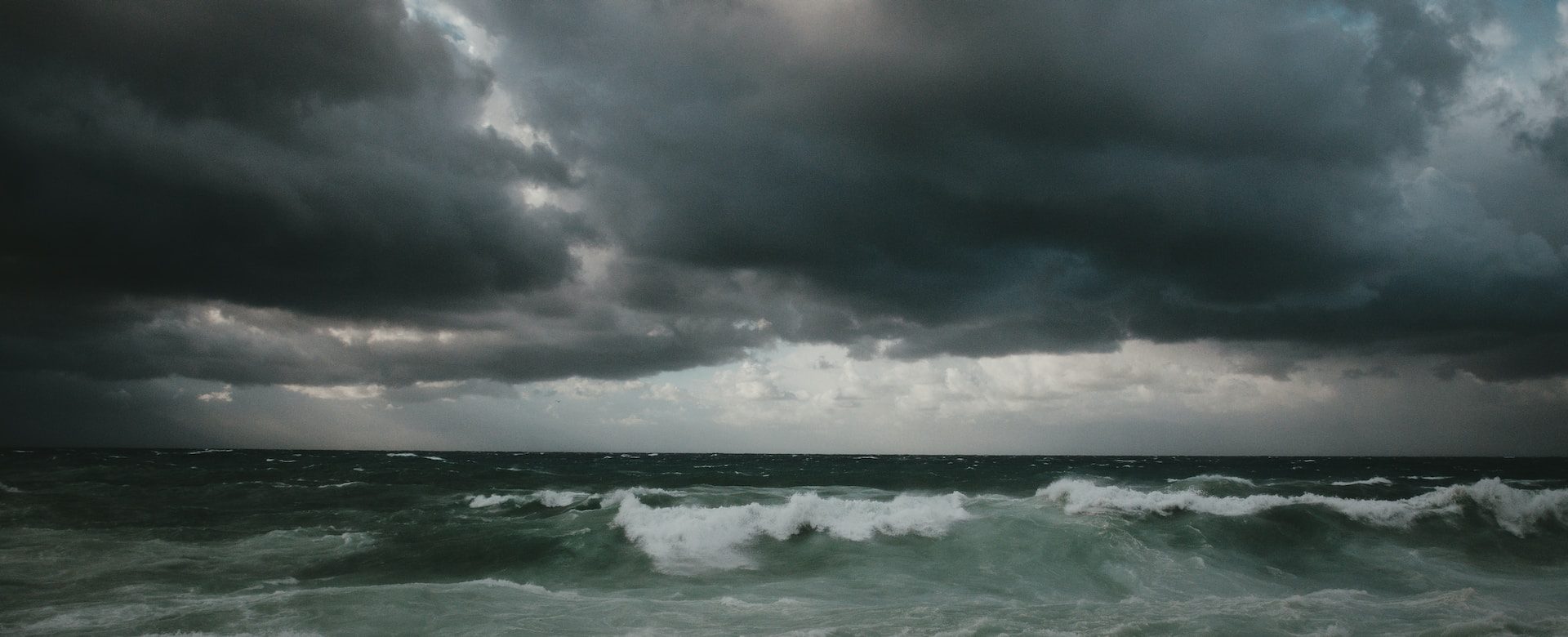
 In September 2023, the Libya Floods inflicted a devastating event upon Derna. Derna is an eastern Libyan port city housing approximately 100,000 residents. Storm Daniel, categorized as a “medicane,” or a tropical cyclone, nourished by the warm Mediterranean waters, wreaked havoc and triggered extensive flooding. The impact of this storm has been catastrophic for the people of Libya.
Presently, the death toll stands at 11,300, primarily concentrated in Derna, with an additional 170 fatalities recorded in neighboring areas within the Al Akhdar and Al Marj districts. The report reveals that more than 10,100 people are missing, and the continuous flood has caused 25,000 citizens to lose their homes.
Why Did This Happen?
Storm Daniel hit the Mediterranean, causing heavy rains and then moving south to Libya on September 10, 2023. Libya is a predominantly arid country, rarely receiving substantial rainfall. The downpour released around 400mm of rain onto Derna in only 24 hours, a city that usually only takes 540mm annually. Due to this unusual climate event, the region’s infrastructure struggled to manage all the excess water from the flooding.
Another contributing factor is the poor drainage systems in Libya. The lack of effective drainage infrastructure due to poor maintenance of the two dams, which collapsed, only exacerbated the flooding. Additionally, as the city has become more urbanized, which has reduced natural drainage areas, the rainwater has fewer places to infiltrate the ground.
Impact on Communities
The effects of the floods will have devastating long-term consequences for the citizens of Libya. The economic implications of the flooding are astronomical. The destruction of infrastructure, including roads, bridges and utilities, has disrupted transportation networks and hindered the movement of goods and people, impacting trade and commerce. Extensive damage has forced many businesses to shut down temporarily, causing financial losses and job insecurity for the local workforce. The cost of repairing and rebuilding damaged infrastructure is substantial and strains government resources.
UNICEF has reported that the floods have displaced 43,059 people, including more than 16,000 children, from their homes. Those who cannot find accommodation with relatives are currently provided shelter in schools. Other citizens find themselves stranded in their residences, facing critical shortages of electricity and clean water. Concurrently, a significant portion of the population is heading eastward to Benghazi as they seek safety from the devastating effects of the flooding.
The spread of water-borne diseases is an additional threat. Exposed sewage leaking into the water systems has rendered the water too hazardous for consumption. Stagnant floodwaters create breeding grounds for waterborne diseases such as cholera and dysentery. These breeding grounds can quickly spread in overcrowded temporary shelters and communities lacking access to clean water and sanitation facilities. Evidence of this is already apparent, with 55 children being ill from the contaminated water.
Government Response
In response to the Libya floods, government authorities are actively investigating the contributing factors, ensuring they evaluate the effectiveness of existing drainage systems and disaster preparedness measures. In parallel, authorities are scrutinizing the Water Resources Authority and the Dams Management Authority over allegations of negligence.
Eight current and former officials have been apprehended, pending further investigation into their involvement in the recent flood catastrophe. After the Libya floods, authorities dismissed Derna Mayor Abdulmenam al-Ghaithi and subjected him to questioning. After the Libya floods, authorities apprehended eight current and former officials for further investigation. General Prosecutor Al-Siddiq Al-Sour stated, “The eight former and current officials have failed to provide evidence that would absolve them from potential charges, leading prosecutors to order their detention until the investigation reaches its conclusion.”
Environmental Consequences
The environmental impacts in Libya played a pivotal role in exacerbating the floods. Deforestation and urbanization reduced the land’s natural ability to absorb rainfall, resulting in heightened surface runoff during heavy rains. Poor land management practices, including inadequate soil conservation, exacerbated soil erosion and sediment buildup in waterways.
Climate scientists at the World Weather Attribution Group found that 50% more rain had fallen from Storm Daniel due to human-caused greenhouse gas emissions. Further research also concluded that flooding was ten times more likely to happen due to climate change.
International Support and NGOs
Government authorities and humanitarian organizations have jointly launched extensive relief efforts in response to the Libya floods. Several United Nations humanitarian agencies, including UNICEF (United Nations Children’s Fund), UNHCR (United Nations High Commissioner for Refugees), WFP (World Food Programme), WHO (World Health Organization) and IOM (International Organization for Migration), have actively engaged in on-the-ground support operations.
The United Kingdom has significantly bolstered its life-saving assistance to Libya by earmarking a substantial £1 million aid package. UK-MED, an NGO, has been responsible for conducting quick medical evaluations. In tandem with the U.K.’s efforts, the European Union has committed 94.5 million euros for humanitarian aid and an additional 5.7 million euros in emergency allocations. This international support addresses immediate needs and reinforces Libya’s long-term capacity to cope.
Long-Term Solutions
Implementing long-term solutions is imperative in the aftermath of the devastating flooding in Libya. Developing robust floodplain management strategies to prevent encroachments into flood-prone areas is essential to enhance resilience and reduce future risks.
Investing in improved drainage systems and sustainable urban planning will also be crucial to addressing flood vulnerability. Afforestation and reforestation initiatives can help restore the natural water-absorbing capacities of the land. Climate change adaptation strategies, such as early warning systems and disaster preparedness plans, should be established to anticipate and respond to extreme weather events. Furthermore, sustainable land and water resource management practices and stricter regulations and enforcement can help safeguard against environmental degradation and pollution.
Regarding the economic fallout from the floods, strategies to help businesses are imperative. The flooding has significantly burdened Libya’s economy and will take time to recover. Collaboration with international organizations and neighboring countries is key to Libya’s recovery.
– Sophie Higham
Photo: Unsplash

How Brazil’s Clean Energy Initiatives Promote Economic Equality
Causes of Income Inequality
Brazil’s income inequality crisis stems largely from the nation’s inequality in land distribution. It’s estimated that 1% of Brazil’s population owns nearly 45% of all land in Brazil. Brazil’s economy relies on its extensive natural resources. Without access to land and, therefore, its lucrative resources, those living in poverty find few ways to obtain economic opportunities and education. Additionally, high ownership concentration leads to less control over manufacturing and environmental policies. Unequal land distribution in Brazil is correlated to the exploitation of rural workers, destruction of land and rural poverty.
Deforestation worsens land inequality. As more trees face destruction due to farming and construction of cities, there’s less land available. This drives up land prices, makes it harder to get property rights, and increases the cost of food. Rural folks struggle to access resources, while landowners benefit from harmful farming.
A Green Transition
Brazil has consistently struggled to balance environmental and human protection with the economic advantages of fast and consistent agricultural production. However, Brazil’s president, Luiz Inacio Lulu de Silva is taking steps toward finding this equilibrium. In August 2023, President Lulu launched his $350 billion investment plan toward a “Green Transition.” The Green Transition aims to reduce carbon emissions and produce more ethical practices in the country’s carbon trading, bio-economy and infrastructure, including a reduction of deforestation. The investment plan hopes to provide incentives for international investment, allowing the nation to transition to a more diverse and environmentally friendly economy.
Clean energy initiatives are aiding this economic diversification. With an abundance of hydropower resources, Brazil could become a hub for renewable energy-focused industries. Additionally, the Amazon Rainforest offers a base for carbon storage, allowing industrial sectors to thrive while protecting the nation’s environmental resources. This array of clean energy initiatives is estimated to provide more than 4 million jobs in the first five years of the Green Transition. In turn, the program is able to offer Brazil economic growth, stronger international relationships, protection of land for those in rural areas and greater economic opportunities for the entire population.
Looking Ahead
Since Lulu’s presidency began in January 2023, deforestation of the Amazon rainforest has decreased by more than 33% compared to the same six-month period last year. With the Green Transition, this trend could continue. Brazil is no longer deciding between environmental and human rights and economic might. The Green Transition and clean energy initiatives are bringing equality to low-income rural communities, while also supporting Brazil’s entire economy.
– Aliya French
Photo: Pixabay
Raising Funds for Navajo Water Access
The Navajo Water Project
Operating as a subset of the DigDeep organization since 2014, the Navajo Water Project is a program with the primary goal of securing clean and accessible water for members of the Navajo Nation where infrastructure has failed. The focus is on getting water systems in the homes of rural families so that they don’t need to drive tens of miles just to fill up jugs of water. When the United States (U.S.) government granted the land after a forced displacement, it acknowledged that the lack of natural irrigation made the arid land nearly unlivable. Still, water was not secured as a guaranteed right. The Navajo Water Project brings clean water to Navajo families across Arizona, Utah and New Mexico.
The Fundraiser
St. Anthony of Padua Catholic Church sits in Hightstown, a small town in the center of New Jersey, and houses a Social Justice Committee as one of its ministries. In 2022, Lenore Isleib and other leaders of the Social Justice Committee led a fundraising campaign for the Navajo Water Project, raising $5,196.85, ranking as the fifth-highest fundraiser for the organization.
“Since water is such a basic need for life, it seemed like an important issue for our social justice ministry,” Isleib stated in an interview with The Borgen Project. The largest number of donations came from a concert, an organized effort among parishioners of the church, members of the Social Justice Committee and the nearby independent living community Meadow Lakes, which provided transportation for residents to attend. The concert featured a performance from the church choir, Pat Liquori on the Native American flute and the nearby Mt. Olivet Baptist Church choir.
“Our biggest challenges were coordination of musical performers and publicity. Singers, pianists and guitarists volunteered their time. Members of St. Anthony’s Social Justice Ministry dedicated their time to setting up the website and getting posters created.” The fundraiser’s success in a town of less than 6,000 residents represents a paradigm of community action making a difference.
The Success of the Navajo Water Project
The project, with organizational efforts such as the St. Anthony Social Justice Committee, has brought 1.54 million gallons of clean water to rural communities. It has also been so successful that it expanded beyond Navajo water access and provided rural Navajo families with solar power and septic systems. The current areas of interest include sustainable water sources, drilling wells for communities and ensuring piped water access rather than short-term solutions of delivering water via trucks.
The project has diverted some of the money raised to community leaders for self-determined solutions to water access challenges. Partially because of the lack of access to clean water, the Navajo nation had significantly higher rates of COVID-19 infection and death than average, and sick residents were often unable to make the trek to bring back clean water, leading to dehydration.
With the identification and addressing of the structural problem, the Navajo Nation has a chance at achieving better living standards.
– Cheyenne Astarita
Photo: Flickr
Poverty and Gender-Based Violence in Balochistan
Studies by the government of Pakistan and donor agencies estimate poverty incidence in Pakistan using survey data. Over the past decade, these studies consistently show Balochistan as the poorest province, with its poor accounting for 10–11% of the country’s total poor population. Here is some information about the link between poverty and gender-based violence in Balochistan.
Harmful Customary Practices
Balochistan is full of harmful customs that adversely affect women and violate their rights. These include killings for honor, forced marriages, exchange marriages (where tribes trade women to settle disputes) and depriving girls of education. Poverty makes gender-based violence in Balochistan more likely to happen because it gives women less power and fewer choices.
According to police reports, in February 2022, over two days, three women and two men were killed in the name of ‘honor’ in the Jaffarabad, Mastung and Hub districts of Balochistan. In Jaffarabad, a man shot his wife and nephew dead. Meanwhile, in Mastung, unknown persons brutally slaughtered a married couple. In Hub, the second husband allegedly murdered his wife, Mah Jan.
These honor killings show how common these kinds of crimes are in Balochistan. These unjustified killings are because of poverty, the lack of legal protections for women and traditional harmful beliefs that allow violence against women. The cases in February 2022 bring back calls for reform and justice to stop such tragic loss in the name of family “honor.”
The Crisis of Missing Persons
The issue of missing persons in Balochistan also disproportionately affects women. Thousands of Baloch men have gone missing, allegedly abducted by security forces. Their grieving wives and mothers have been left in limbo, not knowing if their loved ones are dead or alive. These women, considered ‘half widows, ‘ face social stigma, economic deprivation, legal problems and severe psychological trauma. The unsolved missing person crisis further terrorizes and disempowers the province’s women.
Sammi Deen Baloch has been protesting for 13 years since her father disappeared in Balochistan, one of more than 5,000 reported missing persons in the province. After the abduction of Dr. Deen Mohammed Baloch in 2009, 15-year-old Sammi began raising awareness about these enforced disappearances by Pakistan’s security forces.
Despite abusive crackdowns on protests, Sammi continues to demand answers and justice for families like hers suffering from indefinite loss. Her brave activism symbolizes the plight of Balochistan’s ‘half widows’ and mothers whose loved ones have vanished, as well as the importance of accountability for the decades-old human rights crisis that has left thousands missing amid the region’s separatist conflict.
The Vital Work of the Voice for Baloch Missing Persons
Organizations like the Voice for Baloch Missing Persons provide affected families with legal aid, counseling and advocacy support. However, endemic poverty makes it difficult for women to pursue justice and healing. Economic dependence and lack of opportunity trap them in anguish and uncertainty.
The Voice for Baloch Missing Persons (VBMP) was formed in 2009 by affected families to pursue justice for Balochistan’s disappearance. Headquartered in Quetta, VBMP provides free legal assistance to help families file petitions and cases seeking information on missing loved ones. It also offers counseling and mental health support to traumatized families, particularly women and children. VBMP organizes protests, sit-ins and campaigns to highlight enforced disappearances and pressurize authorities. It has district committees across Balochistan to document cases and mobilize families.
VBMP publishes reports to increase awareness of the crisis locally and internationally. It also assists impoverished families with resources for legal procedures and accessing VBMP hubs. Operating on donations and aid funding, the organization employs legal advocacy, activism, counseling and reporting to support families of the missing in Balochistan in their struggle for truth and justice.
Recommendations for Empowerment
Increasing economic empowerment among women is crucial. Income generation through vocational training, microfinance schemes, handicrafts cooperatives and cash-for-work programs can provide women with financial security. These enable women to avoid forced marriages, escape abuse and sustain themselves while searching for missing family members.
Communities and justice systems should engage to stop seeing women’s rights abuses as acceptable. Protecting women from harm, ensuring their safety through shelters and prosecuting abusers create an environment where women can exercise their rights and seek justice.
Tackling endemic poverty and socioeconomic empowerment of women has to accompany legal-social reform to alleviate gender violence in all its forms. Holistic efforts addressing economic and cultural factors are needed to promote women’s rights, safety and development, and eliminate gender-based violence in Balochistan.
– Asia Jamil
Photo: Flickr
Clinics in Bamyan Provide Beacon of Hope
Afghanistan in Crisis
Afghanistan has struggled with decades of conflict and political upheaval, leaving many without critical social support systems. Since the Taliban takeover in 2021, locals have seen a staggering rise in cost-of-living expenses, resulting in 28.3 million Afghanis needing humanitarian assistance – particularly medical assistance.
In 2022, Doctors Without Borders saw increased traffic to existing medical facilities in Afghanistan. Kabul and Kandahar were hit particularly hard with outbreaks of diarrhea, and medical workers fortified existing medical facilities in response to outbreaks in these areas. However, many communities in Afghanistan do not have access to medical care due to their remote and rural location, including rural communities in the large province of Bamyan.
Hope for the People of Bamyan
Bamyan is home to the Hazara people, a poor ethnic minority who live in rural and remote villages that historically had little access to centralized health care. Naqiba, aged 19, delivered her second child at one of the new clinics in Bamyan supported by Doctors Without Borders. Her previous childbirth experience was much more taxing for her and her family. Naqiba recalls, “When my first son was born, my mother-in-law had to pay 6,000 AFG (about $70) so we could travel to Bamyan’s provincial hospital. Now, we can finally get care closer to home for free.”
Naqiba’s family was able to assist with her travel expenses during her first pregnancy, but over 40% of new mothers in Bamyan delivered children at home without professional medical assistance, likely due to financial restrictions. New medical clinics in Bamyan are already revving up to bring much-needed childbirth and pediatric care to these impoverished communities. Since Doctors Without Borders built these clinics in early 2023, their workers have provided over 1,200 prenatal and postnatal consultations, screened nearly 2,000 children for malnutrition and provided more than 3,400 pediatric consultations.
Prenatal and pediatric care are critical for impoverished communities like Bamyan, but standard medical care and regular check-ups are just as critical for rural communities like this. Standard health care essentials like access to vaccines, nutrition information, family planning services and basic health screenings were previously out of reach for many Afghans living in rural villages scattered across Bamyan’s vast and mountainous region. These new clinics in Bamyan are bridging the health care gap for rural residents like Rohida.
Rohida, a middle-aged woman in Afghanistan’s Bamyan province, visited a clinic close to her hometown in Jalmish to treat her high blood pressure. Rohida commented, “Before, we had no place to go. Sometimes, it feels like women have been forgotten around here. I’m happy that someone remembered us.”
– Ann-Jinette Hess
Photo: Unsplash
Mental Health in Oman
The Current State of Mental Health
Public Health in Oman has been on a healthy increase for the past four decades, with infrastructure keeping in demand with Oman’s steadily growing population. That being said, mental health facilities are rarely incorporated within comprehensive medical services.
One impediment to accessing mental health services is the apparent lack of mental health facilities. Oman’s geography consists of sprawling deserts with concentrated pockets of civilization. Subsequently, facilities are often lacking in rural or less populated areas, with an influx in major urban areas. Even when mental health services are available, many people are hesitant to seek help. There is a belief in many Middle Eastern countries that mental health issues are borne of spiritual evils and acts of the devil. As a result, many Omanis prefer to seek traditional healers rather than mental health professionals.
The Practice of Shackling
Pervasive stigmas in Omani society lead to abhorrent practices, especially in rural areas, known as “shackling.”
Stigma and superstition about mental health in Oman are the reasons why hundreds of men, women and children are confined to filthy, locked rooms. Shackling occurs when people with supposed mental health issues are trapped in a room, often lacking sanitation services and proper nutrition, in an attempt to expel said mental health issues. These appalling practices are ineffective and induce further stress among patients and their families.
Efforts To Provide Help and Destigmatize Mental Health Services
The Omani government has made minor efforts to improve the public perception and accessibility of services regarding mental health in Oman. Regardless, mental health services are still difficult to find. Certain hospitals such as Al Hayat International Hospital and the Muscat Private Hospital offer mental health services.
Further development in mental health destigmatization is actually brought by students in Oman. In 2023, students in Oman developed a mobile phone application called Chillax, which helps users assess their mental health needs, book short sessions and learn about mental health conditions.
There is still much to be done about the public perception and state of mental health in Oman. Following the COVID-19 pandemic, many health care workers experienced mental health issues such as depression and anxiety. Women in Omani society are also especially vulnerable to mental health issues as institutional negligence is often perpetuated by a lack of legal protections for victims of abuse. The confluence of social inequity and perceptual stigma has obstructed access to mental health services in Oman. Hopefully, as awareness is raised by hospitals and the people of Oman, further developments are made possible.
– Inaya Lala
Photo: Wikimedia
Women’s Health in Southeast Asia
The Philippines
For a clearer picture, consider the Philippines. As of 2022, female labor force participation stands at a mere 46% — the lowest in Southeast Asia, perplexing given the country’s high female education levels. Moreover, the Philippines grapples with being one of the most dangerous places in Asia for women, mainly due to lax enforcement or complete neglect of harassment and assault laws.
The ramifications of these systemic challenges are not limited to personal safety. Filipino women, like many others in Southeast Asia, face limited access to vital health resources, including sex education and birth control. Alarmingly, over a third of pregnancies for women and girls in the Philippines are unwanted, and one in five girls becomes a mother before turning 20.
Maternal Health Concerns
The breadth of the issue becomes even more evident when we look at the broader Southeast Asian region, home to over 676 million people across 11 countries. Data reveals that only 60% of these women have access to contraceptives, and nearly half of the countries in this region have an alarming maternal mortality rate.
Statistics from 2020 further demonstrate the depth of the problem. Each year, of the 11 million women in Southeast Asia giving birth, a staggering number fail to receive the requisite care:
Additionally, the state of reproductive health is reflected in the fact that 2.4 million women have abortions in unsafe environments. Tragically, 16,000 of these women succumb to pregnancy- and childbirth-related death, while a whopping 10 million do not get the treatment they need for STDs such as chlamydia, gonorrhea, syphilis and trichomoniasis.
Moving Forward
Singapore presents a silver lining, emerging as one of the safest places for women in Southeast Asia, with life expectancy and maternal mortality rates rising above the global average.
Collaborative initiatives aimed at altering societal norms, especially those around early marriage and gender-based violence, are crucial. Furthermore, deeply entrenched socioeconomic and religious prejudices that impede law implementation need to be rectified.
While Southeast Asia has made considerable strides in women’s health, there is an undeniable correlation between poverty and the prevailing health care discrepancies. Ensuring every woman has access to quality health care, regardless of her socioeconomic background, is a shared responsibility.
– Mari Caitlin Riggles
Photo: Flickr
Everything to Know About Poverty in Syria
The destruction from war drills deep scars on the hearts of people and economic infrastructure. As the front lines of Syria saw the year-long resilience ceasing, a new battle is seeing rise. Currently, 90% of people in Syria live in extreme poverty. The basic resources are scarcely available and starvation looms with high prices and food shortage. Families are skipping meals in order to survive. According to the United Nations (U.N.), more than 15 million people in Syria need humanitarian assistance in 2023.
The Impact on Children
Gunsmoke constantly surrounds children in Syria. The long years of conflict have left many children with the loss of guardians, friends and innocence. Further, the psychological effect of the continuous dispute and loss suffered will remain unknown.
Education remains the least of the concerns in war-stricken Syria. Half of the million school-aged children are deprived of schooling. Instead, they are hurled into child labor or recruited for fighting. The near-destruction of houses in buildings has left no room for educational institutions. Children have completely lost track of their studies and are most likely to drop out completely. Unfortunately, this creates the risk of poverty and despair for future generations.
Psychological Impact on Citizens
The widespread poverty and limited sources of income have pushed the people into an exasperated state. Moreover, many families have lost an earning member of the family. The continuing conflict in Syria has tragically led to the loss of more than 306,000 civilian lives, representing approximately 1.5% of the population that existed before the conflict began.
Adding to the losses and the crippling poverty is the damaging mental health which has driven up to 50 cases of suicide and more, as recorded in Syrian government files.
The Syrian Refugee Crisis
The crisis traces back to 2011 and has come down to the displacement of 6.8 million Syrians seeking shelter in their own homes. Most refugees are found in countries like Lebanon, Jordan, Egypt, Turkey and Iraq. Still, 70% of refugees live in extreme poverty with the absence of basic supplies.
A Helping Hand in an Hour of Trouble
Investing or starting a business suffers heavy losses in Syria due to disruption and shortage of resources. With poverty taking its toll, humanitarian assistance seems the only way to stabilize the economy. According to the World Bank, Syria’s GDP could drop by 3.2% in 2023.
The humanitarian assistance has provided some relief to poverty in Syria. There have been local NGOs that have provided the necessary help and above all UNICEF has worked to improve the basic areas like the water supply system which is cost-effective and climate-friendly, providing a limited supply of electricity and providing nutrient-rich diets and education to children.
– Asra Mairaj
Photo: Pexels
How Guyana’s Forests Promote Economic Growth
Impoverished citizens suffer from the impact of deforestation and emissions. Workers relying on the mines for income and communities who cannot move away from the sites face exposure to substances such as mercury. To avoid further destruction in the mining industry, the Guyanese government is working with the United Nations (U.N.) to reduce contamination by 2025.
Protecting Guyana’s Forests
An initiative under the Paris Climate Agreement, Reduce Emissions Caused by Deforestation and Forest Degradation, or REDD+, aims to lessen the emissions caused within developing countries. Certain nations are eligible to receive financial incentives for protecting their trees. This protects their environment and increases funding for essential services they may need.
Under the REDD+ guidelines, a 2009 agreement between Guyana and Norway promised up to $250 million from the European nation. The Guyana REDD+ Investment Fund (GRIF) worked to create employment opportunities that do not rely on the destruction of the country’s landscape. This instead created jobs that helped monitor and catalog the region by working with the forests’ inhabitants.
GRIF allocated nearly $5 million toward small businesses that reduced carbon emissions. It approved 224 loans and 591 grants that helped to create 2,000 new jobs. Additionally, almost 4,500 people acquired free training for different important topics, including management skills, record keeping, agricultural stability and sustainable mining techniques.
Beyond this, it awarded 34 more Green Business Technology Grants to increase the development of sustainable businesses. Furthermore, 684 business owners underwent further training in viable mining and forestry methods. GRIF also financed 165 secondary school students through Guyana’s In-School Entrepreneurship Program, which aims to prepare children for different career paths to boost the nation’s economy further. Students who receive the money complete employment plans while learning about important activities regarding economics, architecture and food production.
Organizations Helping the Economy and Forests in Guyana
In conjunction with the World Wildlife Fund, the Guyanese government works with various indigenous communities to monitor the woodlands. Provided with updated technology, the government assesses the land and shares data with authorities. The technology also allows for several groups to receive aid. The government addresses the inaccessibility of water and food shortages in the southwest Rupununi region. These community monitors assist the economy and forests in Guyana, helping with environmental concerns and citizen issues. Several places are now receiving aid to support local schools and easier access to both food and water. This project also led to additional research grants for the University of Guyana’s Center for the Study of Biological Diversity.
In recent years, the nation has received money from offshore oil rigs run by ExxonMobil, gaining several billion dollars worth of taxes and products. The money generated by this deal between the oil company and Guyana improved the country’s economy significantly, with no adverse effects on its forests. In August 2023, ExxonMobil confirmed another deal with the South American nation, with a project that cost nearly $13 billion.
Looking Ahead
Since 2009, Guyana’s poverty level has decreased from 6% to under 2% of its total population in 2022. This consistent improvement provides economic prosperity to the nation. Although job creation continues to be an issue in Guyana, where the unemployment rate is now 12.4%, other problems, such as poverty and hunger, have decreased. Continuing efforts to protect Guyana’s forests show the potential to also protect the country’s economy.
– Abigail Dudley
Photo: Flickr
Life Under the Law: Helping the Poor in Sanctioned Countries
Sanctions are weapons, and like any other wartime invention, they have changed over time to become more powerful and more precise. The U.S. example of this evolution of force, as in so many other cases (nuclear weapons, military aircraft), is particularly instructive. Sanctions expert for the Economist Group Agathe Demarais, in a 2023 interview for NPR, notes that a mere 13% of U.S. sanctions since 1970 worked as intended, and although they have grown more sophisticated — from the imprecise and unsuccessful 1960 trade embargo against Cuba to the 2003 financial sanctioning of banks collaborating with North Korea, and finally to the individual targeting of several Russian businessmen listed as the 100-richest Russians in 2018 — they still tend to inflict a shotgun pattern of harm, affecting the innocent as well as the guilty of the sanctioned countries.
Unintended Effects
Even when sanctions accomplish their foreign-policy goals, they can still crush the populations in those sanctioned countries. The 2012 U.S. financial sanctions against Iran helped secure a more moderate political regime and reign in the country’s nuclear program. Consumer prices also rose by 30% and living standards fell dramatically, crippling Iran’s COVID-19 response and inflating the pandemic’s death toll in the country into the hundreds of thousands. A combination of financial and oil sanctions against Venezuela in 2017 contributed to a 1 million percent rise in inflation in a country already plagued by shortages of food, medicine and sometimes even the basic materials Venezuelans needed to bury their dead relatives.
Franciso Rodriguez of the Josef School for International Studies, writing for the Financial Times in May 2023, cites studies showing sanctions inflicting Great Depression levels of economic harm on countries and slashing 1.4 years off the life expectancy of their female citizens. Like a tactical nuclear weapon, sanctions can become technically more precise in hitting their target, but the fallout that follows is still diffuse, destructive and often fatal.
Gaps in the Wall
Thankfully, international efforts by both governments and humanitarian organizations to relieve the strain sanctions often imposed upon already desperate populations came to fruition on December 9, 2022, when The United Nations Security Council (UNSC) adopted SCR 2664. The resolution, introduced by the U.S. and Ireland, allows “funds and assets necessary for humanitarian assistance and activities to meet basic human needs” to cut through existing or future U.N. financial sanctions. Efforts to provide disaster relief, medical supplies, education and even general “peacebuilding” and development could now be granted licenses by the U.S. Office of Foreign Assets Control. This gradual thawing trend in the imposition of sanctions precedes SCR 2664 when in December 2021 the UNSC adopted measures allowing humanitarian aid to cut through its financial sanctions on Afghanistan.
Brick by Brick: The Way Forward
There is still much work to be done. Outside of actual criminality, NGOs and foreign aid organizations must still operate within the confines that sanctions set in sanctioned countries. Until public pressure convinced President Biden to grant limited exceptions, attempts to help the victims of the deadly February earthquakes in Syria and Turkey were stymied by American sanctions against those nations, with donation sites like GoFundMe cooperating by actively scouring mention of the disaster from their websites.
As for progressive measures like SCR2664, Emanuela-Chiara Gillard, writing for Chatham House Institute in 2022, was careful to point out that there are exceptions to the exceptions because they apply only to financial sanctions. Provisions like food and equipment for removing landmines must still pass through an arduous process of authorization before they can reach many countries. Starving nations like North Korea, already encircled by a variety of trade restrictions, are especially cut off.
It is incumbent upon all humanitarian organizations, and the ordinary people who support their work, to continue to lobby for humanitarian avenues that cut through sanctions. It appears there is a need for organizations to educate themselves on the current state of these exceptions, especially in countries that may superficially seem beyond the reach of humanitarian assistance. For instance, Russia’s war with Ukraine has not completely isolated it from Western assistance, as illustrated in a 2023 OFAC fact sheet which lists in detail every U.S. and U.K. humanitarian license and exception for aid and export to and from Russia.
– John Merino
Photo: Flickr
Floods in Libya: Examining the Causes and Effects
Presently, the death toll stands at 11,300, primarily concentrated in Derna, with an additional 170 fatalities recorded in neighboring areas within the Al Akhdar and Al Marj districts. The report reveals that more than 10,100 people are missing, and the continuous flood has caused 25,000 citizens to lose their homes.
Why Did This Happen?
Storm Daniel hit the Mediterranean, causing heavy rains and then moving south to Libya on September 10, 2023. Libya is a predominantly arid country, rarely receiving substantial rainfall. The downpour released around 400mm of rain onto Derna in only 24 hours, a city that usually only takes 540mm annually. Due to this unusual climate event, the region’s infrastructure struggled to manage all the excess water from the flooding.
Another contributing factor is the poor drainage systems in Libya. The lack of effective drainage infrastructure due to poor maintenance of the two dams, which collapsed, only exacerbated the flooding. Additionally, as the city has become more urbanized, which has reduced natural drainage areas, the rainwater has fewer places to infiltrate the ground.
Impact on Communities
The effects of the floods will have devastating long-term consequences for the citizens of Libya. The economic implications of the flooding are astronomical. The destruction of infrastructure, including roads, bridges and utilities, has disrupted transportation networks and hindered the movement of goods and people, impacting trade and commerce. Extensive damage has forced many businesses to shut down temporarily, causing financial losses and job insecurity for the local workforce. The cost of repairing and rebuilding damaged infrastructure is substantial and strains government resources.
UNICEF has reported that the floods have displaced 43,059 people, including more than 16,000 children, from their homes. Those who cannot find accommodation with relatives are currently provided shelter in schools. Other citizens find themselves stranded in their residences, facing critical shortages of electricity and clean water. Concurrently, a significant portion of the population is heading eastward to Benghazi as they seek safety from the devastating effects of the flooding.
The spread of water-borne diseases is an additional threat. Exposed sewage leaking into the water systems has rendered the water too hazardous for consumption. Stagnant floodwaters create breeding grounds for waterborne diseases such as cholera and dysentery. These breeding grounds can quickly spread in overcrowded temporary shelters and communities lacking access to clean water and sanitation facilities. Evidence of this is already apparent, with 55 children being ill from the contaminated water.
Government Response
In response to the Libya floods, government authorities are actively investigating the contributing factors, ensuring they evaluate the effectiveness of existing drainage systems and disaster preparedness measures. In parallel, authorities are scrutinizing the Water Resources Authority and the Dams Management Authority over allegations of negligence.
Eight current and former officials have been apprehended, pending further investigation into their involvement in the recent flood catastrophe. After the Libya floods, authorities dismissed Derna Mayor Abdulmenam al-Ghaithi and subjected him to questioning. After the Libya floods, authorities apprehended eight current and former officials for further investigation. General Prosecutor Al-Siddiq Al-Sour stated, “The eight former and current officials have failed to provide evidence that would absolve them from potential charges, leading prosecutors to order their detention until the investigation reaches its conclusion.”
Environmental Consequences
The environmental impacts in Libya played a pivotal role in exacerbating the floods. Deforestation and urbanization reduced the land’s natural ability to absorb rainfall, resulting in heightened surface runoff during heavy rains. Poor land management practices, including inadequate soil conservation, exacerbated soil erosion and sediment buildup in waterways.
Climate scientists at the World Weather Attribution Group found that 50% more rain had fallen from Storm Daniel due to human-caused greenhouse gas emissions. Further research also concluded that flooding was ten times more likely to happen due to climate change.
International Support and NGOs
Government authorities and humanitarian organizations have jointly launched extensive relief efforts in response to the Libya floods. Several United Nations humanitarian agencies, including UNICEF (United Nations Children’s Fund), UNHCR (United Nations High Commissioner for Refugees), WFP (World Food Programme), WHO (World Health Organization) and IOM (International Organization for Migration), have actively engaged in on-the-ground support operations.
The United Kingdom has significantly bolstered its life-saving assistance to Libya by earmarking a substantial £1 million aid package. UK-MED, an NGO, has been responsible for conducting quick medical evaluations. In tandem with the U.K.’s efforts, the European Union has committed 94.5 million euros for humanitarian aid and an additional 5.7 million euros in emergency allocations. This international support addresses immediate needs and reinforces Libya’s long-term capacity to cope.
Long-Term Solutions
Implementing long-term solutions is imperative in the aftermath of the devastating flooding in Libya. Developing robust floodplain management strategies to prevent encroachments into flood-prone areas is essential to enhance resilience and reduce future risks.
Investing in improved drainage systems and sustainable urban planning will also be crucial to addressing flood vulnerability. Afforestation and reforestation initiatives can help restore the natural water-absorbing capacities of the land. Climate change adaptation strategies, such as early warning systems and disaster preparedness plans, should be established to anticipate and respond to extreme weather events. Furthermore, sustainable land and water resource management practices and stricter regulations and enforcement can help safeguard against environmental degradation and pollution.
Regarding the economic fallout from the floods, strategies to help businesses are imperative. The flooding has significantly burdened Libya’s economy and will take time to recover. Collaboration with international organizations and neighboring countries is key to Libya’s recovery.
– Sophie Higham
Photo: Unsplash