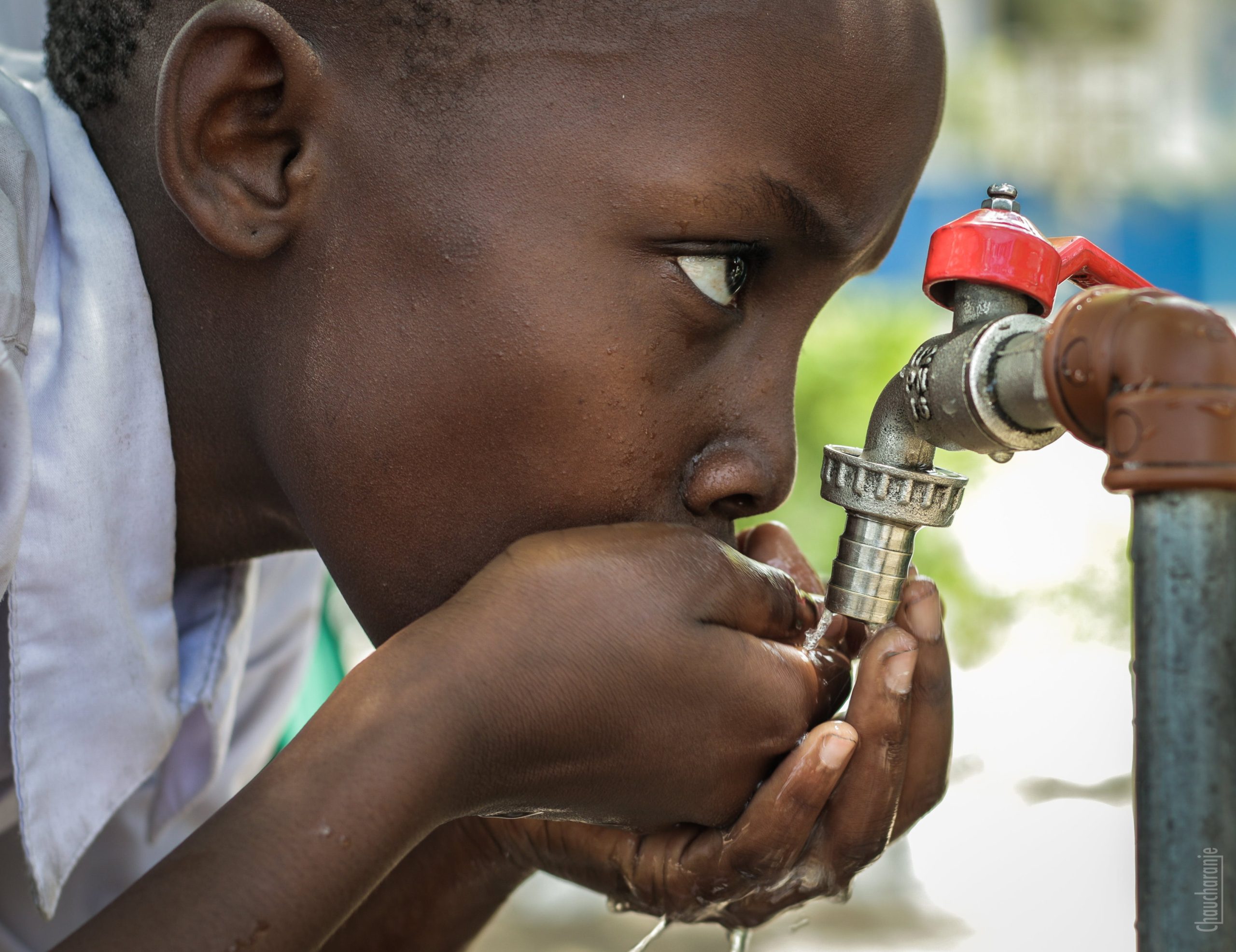
 In the heart of the Caribbean, the Dominican Republic boasts stunning beaches and vibrant culture, yet hidden beneath its picturesque surface lie communities struggling for access to clean and safe water. Mercer On Mission, a dedicated group of individuals, is working to change that narrative.
Its mission involves bringing clean and safe water to underserved communities in the Dominican Republic. This is achieved through the implementation of water purification systems and making crucial infrastructure improvements in collaboration with local communities. However, Mercer On Mission’s impact extends far beyond quenching thirst; it profoundly affects poverty reduction in the region.
A Struggle for Clean Water
The Dominican Republic, like many developing nations, grapples with water access issues. According to the Dominican Republic Water Sector Report 2021, the Dominican Republic faces several significant challenges in its drinking water and sanitation sector. While 84% of the population has access to sanitation, less than 20% have access to sewage systems with wastewater treatment. In urban areas, the majority of facilities are connected to septic tanks, and there’s a significant lack of infrastructure for septage treatment and safe disposal.
Furthermore, the quality of service remains subpar, with only about 35% of the population receiving continuous 24/7 water service. In rural areas, particularly those near the Haitian border and impoverished regions, there’s both lower coverage and lower service standards. This dire situation has led to waterborne diseases, economic instability and dire living conditions, particularly for those living in rural areas.
Clean Water: One Cup at a Time
In the Sabana Bonita neighborhood of El Cercado in the Dominican Republic, access to clean water has been a constant struggle. Thus, a group of 20 Mercer University students and faculty joined hands with residents to bring clean water and hope to this underserved community.
One of Mercer On Mission’s notable achievements is the introduction of water purification systems in remote Dominican villages. By implementing these systems, it ensures that communities have a sustainable source of clean water. According to a report from the United Nations (U.N), access to clean water can reduce waterborne diseases by up to 10%, a significant impact on public health.
Moreover, Mercer On Mission collaborates closely with local communities to establish infrastructure improvements. This includes repairing and building wells, water distribution systems and sanitation facilities. By actively involving the locals in these initiatives, Mercer On Mission empowers them and builds long-lasting solutions.
A Holistic Approach
What sets Mercer On Mission apart is its holistic approach to addressing the issue of clean water. Students underwent two weeks of intensive training before embarking on the trip, where they honed their engineering skills and journalism expertise. Upon reaching the Dominican Republic, they engaged in a multifaceted approach, working on three primary tasks: water system construction, water testing and community surveys and interviews.
In the Sabana Bonita community, the students and residents faced a significant challenge. The existing 3,000-gallon water system was no longer sufficient to meet the community’s needs. Mercer On Mission rose to the occasion by constructing a new spring box that would house an 11,000-gallon water tank. Dr. Cardelino, who led this aspect of the mission, emphasized that the dedication of local engineers, plumbers and community members working alongside the Mercerians was instrumental in the project’s success. Their commitment was palpable and served as a driving force even on the most challenging days.
Beyond Clean Water: A Hopeful Perspective
As Mercerians delved deeper into their mission, they not only constructed water infrastructure but also repaired damaged water piping in the Manyai neighborhood, a location they had previously assisted in 2022. This demonstrated their dedication to creating sustainable solutions that would serve these communities well into the future.
Mercer On Mission’s work in the Dominican Republic exemplifies a transformative approach to water access and poverty reduction. By providing clean water and fostering economic stability, education and empowerment, the organization demonstrates that addressing basic needs like water access can be a significant step toward reducing poverty and improving the quality of life for countless individuals in the Dominican Republic.
– Suhani Bhattad
Photo: Pexels

USAID’s Investment in West Bank Women’s Education
With a poverty rate of 13.9% among its population, the West Bank faces significant challenges, largely attributed to the absence of stable and beneficial employment opportunities. Additionally, the lack of effective transportation, influenced by its geographical location, further hampers residents’ access to areas where such opportunities may be more abundant. Even if the needed transportation was in order, low levels of education hold its people back from getting jobs with salaries above the poverty line.
Education in the West Bank
The energy crisis in Gaza has severely impacted education, leaving students to study without adequate light or internet access. Restrictions in “Area C” of the West Bank have led to a shortage of schools and constant threats of demolition. Movement barriers, including checkpoints and the Separation Wall, hinder Palestinians’ access to education. Israeli travel bans and the Gaza blockade prevent students from attending universities in the West Bank. Without access to schools directly within the West Bank area, its people cannot move freely to find the education they are searching for.
Saffa Girls School
The Saffa Girls School in Ramallah Governorate, West Bank, was established in 1992. Since then, it has only continued to expand positively through implementing programs such as the United States Agency for International Development (USAID) Model School Network Program. This USAID initiative, implemented by the America-Mideast Educational and Training Services (AMIDEAST), aims to improve the quality of West Bank women’s education.
Saffa Girls’ School and 56 other schools have benefited from the program, receiving training for teachers and administrators. This program has contributed to the construction or rehabilitation of schools and various infrastructure projects, benefiting almost one million people. This has allowed schools to reduce class sizes and eliminate the need for students to learn in shifts. Between 2008 and 2009, the nonprofit organization Anera constructed two new floors within the Saffa Girls’ School. The new floors hold eight classrooms and a science lab. Not only does this give students more space and opportunity for learning, but this construction also opens up new job opportunities for adults living within the community.
Empowering Women Through Education
The Saffa Girls’ School is portrayed as a haven for learning, growth and empowerment. The girls attending the school are expected to become women who contribute significantly to their families, as breadwinners and mothers who prioritize education for their children. When you can properly educate the women of the world, it causes a pattern of positive change to flow throughout the entirety of the communities they reside within. West Bank women’s education is a growing entity that will soon change the trajectory of everyone residing within the region.
The Impact
Abeer Ali Badran, the school’s principal, took the initiative to collaborate with USAID to extend improvements made to the school’s facilities and educational resources throughout the community. This effort reached a total of 93 schools similar to hers in the West Bank.
Students in USAID-supported schools, including Saffa School, scored 7% higher on standardized tests compared to other students in their districts. This outcome underscores the significant impact of the dedicated efforts of USAID and Badran on the lives of students in the Middle East, with the promise of continued positive influence in the future.
Conclusion
Investing in the education of women in the West Bank is not only an investment in their progress but also in the overall advancement of society. When women receive education at the primary level, it opens doors for them to pursue higher education, providing access to valuable information. This access empowers them to break the continuous cycle of poverty embedded in their surrounding community.
– Tristen Jerkins
Photo: Flickr
East African Ports Surge Ahead: Closing the Gap with West Africa
Revitalization Efforts and Implementation
Recognizing the need to modernize to compete globally, East Africa initiated strategic plans to revitalize its ports. Investments in infrastructure and technology were needed to streamline the processes of rejuvenating and creating new and more modern ports. The objective was clear: to develop efficient and competitive ports capable of handling increased trade volumes.
Collaborations with international partners and private investors fueled the implementation, setting the stage for a transformative process. In cities like Mombasa, foreign investors like Japan have shown a serious long-term commitment to modernizing the East African ports. In 2016, Japan spent $10 billion on African infrastructure to create new ports and in 2020, Japan showed support to Mombasa’s $193 million budget to update their container terminals.
Job Creation and Economic Impact
As East African ports surge, their economic activities have translated into a significant increase in job opportunities for neighboring communities. In a recent deal made with the United Arab Emirates (UAE), the expansion of port projects in Kenya is anticipated to bring about job creation and business opportunities.
The African Report has also found that even though the population of people is more prominent in the West, the traffic of goods coming into ports is 60% in the East while the West has 50%. East African ports have played a pivotal role in connecting businesses to global markets, thereby lifting communities from poverty.
Ports as Catalysts for Poverty Reduction
The revitalization of East African ports has become a potent weapon in the fight against poverty. According to a recent report by Konrad Adenauer Stiftung, East African ports “generate revenue, create jobs and stimulate infrastructure development.”
In nations like Kenya, ports like Mombasa are still making deals with investors to revitalize their ports and, in doing so, stimulate job opportunities. In fact, Kenya’s efforts to rejuvenate its ports and stimulate economic growth are already showing progress. A Statista study in 2022 found that the extreme poverty rate in Kenya has dropped from 19% to 17% and predicted that it will drop to 11% by 2030.
Quantifying Success
Increased trade volumes and streamlined port operations have resulted in higher revenue for the countries involved. A port in Tanzania that handles 85% of the country’s maritime traffic on its own has ranked first among the African ports in terms of progress in 2022.
Terminals originally considered indecent in Northeast Africa, such as Tangier in Morocco and Port Said in Egypt, have overtaken Southeast ports like Durban, Mombasa and Djibouti in container traffic rankings among the top 10 African ports.
Kenya’s Mombasa received 1.32 million 20-foot equivalent units (TEUs) of containers, marking a 10.2% rise from the comparable period in 2022. This increase from 1.2 million TEUs occurred despite the challenging global economic conditions.
Local Leaders’ Perspectives
Local leaders play a crucial role in championing the transformative impact of revitalized ports. Olivier De Noray, Managing Director of Ports & Terminals at Africa Global Logistics, emphasizes, “It’s not a question of catching up with the West, but rather of starting a phase of port renewal.”
Looking Ahead
East African ports’ infrastructural growth is a testament to the transformative power of strategic investments. The revitalization of ports in the region has not only caught up with West Africa but has surpassed expectations, creating job opportunities, boosting economies and significantly contributing to poverty reduction. As East Africa continues to invest in its maritime infrastructure, the region is poised for sustained economic growth, promising a brighter future for its people.
– Quinn Higby
Photo: Flickr
Addressing Period Poverty in Yemen
Education and Mental Health
As of October 2023, UNICEF reported that there were already more than 2.7 million children in Yemen out of school. The budget for schools and the education sector have not received significant attention due to the economic crisis and conflict. Therefore, when at school, children lack the basic resources they need to have a safe and comfortable learning experience.
Due to the poor levels of sanitation, many of the schools will not have access to toilets or sanitary products. This means that many girls will stay home and have to miss days of school every month, to cope with their period safely at home, often resulting in them falling behind and failing their classes. Some young women may even have to leave their education as they would not be able to efficiently continue with their studies while doing this every month. Leaving school may lead a girl’s family into further poverty as there would be fewer chances to earn money without an education.
The World Bank Group has been working to help period poverty in Yemen by constructing sanitation facilities in schools, allowing girls to be able to stay in school and have proper access to toilets and sanitation, therefore reducing the number of girls dropping out.
Period poverty may also lead to severe mental health issues. Mood is heavily affected during a woman’s cycle and some even fall into deep depression as a symptom of premenstrual syndrome (PMS). Living in poverty may have already taken a toll on a woman’s mental health, but experiencing their period monthly further affects their quality of life.
Cultural Impacts
Along with the current civil conflict, the role of being a woman further adds to how vulnerable a person is in Yemen. Many countries in the Middle East still carry a stigma concerning periods. These countries, like Yemen, may refrain from seeing periods as a natural process but rather as something unclean or something to be ashamed of. Due to the way many view periods, it is often easy for them to not discuss the topic at all. This means that many girls do not learn about their periods, and how to prepare for the day it arrives. Due to both cultural and religious taboos, women may experience exclusion from activities or segregated from men, meaning that they may not always get the help they would need during this time i.e. the help of a male doctor. This limits their ability to educate themselves on menstruation.
In Yemen, the responsibility of the household usually falls on the women. Expectations are that they cook, clean, fetch water and take care of the children. Since the beginning of the civil war in 2014, the number of female-led households has risen. This has made it increasingly harder for those living in poverty to cope with these tasks while on their period. Those who have had to leave education due to their period may have to enter into marriages for the financial benefit of their families.
Sanitary Products and Hygiene
The severity of period poverty in Yemen means that there is minimal access to sanitary products for females living in poverty. The women often will not have a supply of pads and tampons and are not likely to be able to afford them. Some may even stand for a prolonged time just so they do not sit and stain anything with blood. Limited resources mean that many women have to use rags and pieces of cloth that may not always be clean.
The shortage of drinkable water also affects the periods of women. The World Bank declares Yemen as one of the world’s most “water scarce” nations in the world, with more than 18 million people in the country not having access to clean drinking water. The need for clean water is not only for consumption, as it is also necessary for hygiene purposes. Poor hygiene and the use of unclean products can be very harmful leading to irritation, infection or even Toxic Shock Syndrome.
The French NGO Premiere Urgence Internationale, has been fighting period poverty in Yemen by distributing reusable pads. It began their distributing pads in the north of the country, and as of 2022, were able to hand out this product to those in the southern city of Aden. They have also used this as an opportunity to teach some women how to create reusable pads. This has helped some women gain an insight into menstruation that they may have had before. Making these pads also allows them to educate more young women on their periods and even how to produce their own sanitary pads.
Looking Ahead
The fight against period poverty in Yemen has only gotten more intense as the country’s conflict continues. Girls and women have struggled thus far for sanitary products, and the future of menstruation in Yemen is still uncertain. However, with the help of organizations like Premiere Urgence Internationale, women in Yemen can at least have more support and education about their periods, allowing their time of the month to be a little more bearable.
– Fejiro Efih
Photo: Flickr
Child Soldiers in the Central African Republic
Years of armed conflict mean the political landscape of the CAR is highly unstable. Attempts to reduce political volatility including the 2019 peace agreement, have largely been unsuccessful. UNICEF considers the exploitation of children as soldiers, as one of the worst forms of child labor damaging a child both physically and detrimentally psychologically. Here are seven facts about child soldiers in the Central African Republic.
7 Facts About Child Soldiers in the CAR
Looking Ahead
Where conflict and violence prevail, so too will the existence of child soldiers. Therefore, greater funding to improve the CAR economy including emphasis on employment, health care and education is vital. In 2021, the World Bank reported project PACAD, designed to support committees affected by all displacement had injected approximately $12,279,000 into the local economy.
While the number of child soldiers in the Central African Republic remains critical, investments and greater funding provide life-changing relief. Aid assists by advancing the economy, providing emergency health care relief, de-radicalization and reintegration programs as well as assisting in the prevention of conflict. In the CAR, as children’s chances of exploitation in armed conflict are high, funding can provide indelible change.
– Heidi Helen Horgan
Photo: Flickr
The Gender Wage Gap in Indonesia
A variety of factors can attribute to the gender wage gap in lower-income countries. These include social and cultural understandings of the female gender, lack of education and overall low minimum wages. According to The Journal of Indonesia Sustainable Development Planning (JISDP), the upper and middle-class wage gap is under 20%, while the lower-class gap currently stands at 28%. This is critical in developing countries like Indonesia, where this gap poses a threat to those in poverty. Here is information about the gender wage gap in Indonesia.
The Gender Wage Gap in Indonesia
Indonesia currently stands at a 23% difference in pay based on gender. Socio-cultural factors play a large role in this gap. For example, women traditionally have certain household responsibilities and are less likely to join the labor market.
COVID-19’s Impact on the Gender Wage Gap in Indonesia
COVID-19 heavily impacted the overall job and labor market in Indonesia. Many companies experienced an overwhelming loss of demand for products, resulting in a large number of layoffs worldwide. Women also hold the most jobs in what is referred to as the “informal sector,” which happens to be the job market with the least benefits, such as health insurance and protections.
COVID-19 also heavily impacted the service industries (food, sales, accommodations, etc.), many of whose employees are women. However, it appears that more men than women experienced lay offs during the COVID-19 pandemic, as males dominated the industries that had many layoffs.
The pandemic also largely affected service industries (food, sales, accommodations, etc.), which women primarily had employment in. Women held the most jobs in what is the “informal sector.” In Indonesia, this sector also has the least number of benefits, such as health insurance and protection.
Looking Forward
Although the gender wage gap remains a persistent issue across the world, it is slowly reducing. Indonesia celebrated its first “Equal Pay Day” in 2020, according to the International Labor Organization (ILO). With this celebration, Indonesia marks its commitment to reaching equal pay and human rights for women. This serves as a national reinforcement of the work of human rights organizations.
The Equal Pay International Coalition (EPIC) is a combination of the ILO, UN Women and the Organisation for Economic Cooperation and Development (OECD). This coalition is fighting towards equal pay and gender equality in the workplace, both at a governmental level and with employers.
Although progress may be slow, it is still progress. Globally, countries such as Indonesia are taking the necessary steps forward to finally abolish the gender wage gap.
– Sophia Lovell
Photo: Flickr
Addressing Water Shortages in Punjab, India
The Issue
Water scarcity is a harsh reality that Punjabi farmers have been facing recently. Punjab, known to many as India’s breadbasket, is home to many rice farmers who rely on water to grow their crops.
A dependency on groundwater is one of the root causes of this issue. Punjabi farmers do not have access to canal water, making groundwater their only option. According to some Punjabi farmers, groundwater was reachable at 4.5 meters deep around seven to eight years ago. As of now, it is only reachable at 21 meters. This change represents the declining groundwater level.
The country of India as a whole relies on the Punjab region for food, especially for wheat and rice. Currently, about 8% of the population lives below the poverty line. If the water scarcity issue continues to worsen, the possibility of a food shortage for the entire nation will arise.
Causes of Water Scarcity
One can attribute water shortages in Punjab to many contributing factors. One key factor is how Punjabi farmers are depleting the region’s aquifers. Water is one of the most important parts of rice and wheat cultivation, forcing farmers to find water wherever possible and acquire as much as they are able to.
The state also deals with inefficient water management systems. One issue with the water management systems is that half of the state’s canal water flows into Rajasthan, a neighboring state. Punjabi government has not been able to find a solution to this issue and farmers remain without access to canal water.
Another major issue contributing to water shortages in Punjab is the pollution of surface water. There are four main polluted stretches of Punjabi rivers. These four rivers are Ghaggar, Beas, Kali Bein and Satluj. Many industries have been emptying toxic waste into Punjabi rivers, resulting in water that is unfit for human consumption and agricultural practices. The industrialization and urbanization of the state is unfortunately accompanied by the harmful discharge of waste and sewage into Punjab’s rivers.
Addressing the Issue
One project that has emerged to assist Punjab’s crisis is a World Bank-supported plan named Hydrology II. This project introduced new technologies and opened reservoir managers’ eyes to the status of the water availability situation. New systems monitor important parts of the hydro-meteorological cycle and utilize digital gauges and sensors to measure water levels.
The Punjab government launched the Paani Bachao Paisa Kamao Scheme in 2018 to incentivize farmers to conserve water and energy. As of now, about 300 farmers are enrolled in this program. These farmers receive cash incentives to save electricity, creating 6-25% in water savings. The Punjab State Power Corporation Limited (PSPCL) runs the scheme which the state government has encouraged.
Another project working to eradicate water shortages in Punjab is the Punjab Municipal Services Improvement Project. This project, with funding approved in April 2021, is helping locals switch from using groundwater to surface water sources. The project focuses on two Punjabi cities, Amritsar and Ludhiana. It aims to finance water treatment plans, water pumping systems, transmission lines, etc. The predicted improvements in water supply should benefit more than 3 million people by 2026.
Looking Ahead
Solving water shortages in Punjab is essential to protect its economic stability, food security and the well-being of citizens. With agriculture as its backbone, this state’s future is dependent on water availability. Addressing this challenge will become increasingly urgent as groundwater levels continue to lower.
– Trisha Borde
Photo: Flickr
How the Pothichoru Scheme is Reducing Poverty in Kerala
The Problem
In recent years, Kerala has made admirable strides toward eliminating poverty. According to the latest data from the World Bank, only 8% of Kerala’s population now lives below the poverty line. Much of this success is due to progressive social policy-making that has driven egalitarian land reform, registered more children in schools and made health care more widely available. Across the rest of India, in 2017, the national poverty rate stood at 10.4%.
However, despite this success, as of 2016, 84,000 families still live in extreme poverty in Kerala. For many, they have no income, no home and are unable to eat at least twice a day (three determinants of extreme poverty). Some have the added burden of caring for sick and elderly family members. This means the effects of poverty will amplify as households stretch their resources and the time available to work reduces considerably. As a result, many families are struggling to pay medical bills and generate the extra income necessary to care for their relatives. Many people are now going hungry and sleeping in abject conditions, such as on hospital benches and floors to care for relatives because they cannot afford the local accommodation.
What is the Food Parcel Scheme?
The Pothichoru or food parcel scheme is a locally organized program that began in 2017. Participating families cook an extra portion of food in their homes to provide meals for those in need. They then wrap the extra portion in a banana leaf and tie it to form a small parcel or Pothichoru before local volunteers who distribute the freshly made Pothichoru to those who are facing hardship collect them.
One can attribute the success of the Pothichoru scheme to its unique way of providing much-needed support to the poor all while keeping operational costs at a minimum. For example, apart from petrol costs (many deliveries that volunteers make by bicycle are negating this), there is no requirement for a kitchen to prepare everything and therefore no utility bills nor staff costs. As volunteers make the meals in their homes, there is only the requirement of adding extra ingredients so any extra burden on the food preparer is minimal. The use of a rota also means that participating villages and volunteers who only make the Pothichoru three to five days a year divide the cooking tasks. This allows volunteers to prepare meals 365 days of the year with little inconvenience for them.
How it Addresses Poverty in Kerala
India Today tells the story of a local Keralan named Soumya who contributes to the Pothichoru scheme. It is early morning in Kattakkada and Soumya is busy cooking. Stirring the Sambar (lentil stew), she measures out two glasses of rice rather than the usual one-and-a-half normally sufficient to feed her family of four. The rice will accompany the already prepared sambar and thoran (vegetable dry fry) and shortly be collected by volunteers of The Democratic Youth Federation of India (DYFI) who will distribute the Pothichoru to 50 hospitals in 14 districts in the state. Assisting those struggling to feed themselves and their relatives, what started with just 300 cooked food packets in 2017 now feeds around 40,000 people every day. This has contributed significantly to aiding those living in extreme poverty.
One can also attribute the success of the Pothichoru scheme to the fact that to those receiving the food, there are no social indicators of who prepared the food. Due to India’s caste system and its history of religious conflict, this could be an issue. As a result, the discretion and impartiality associated with the Pothichoru mean that it traverses cultural and social divisions and reaches as many people as possible.
Looking Ahead
While the Keralan Government has made great strides in reducing instances of poverty within the state, additional action is required to reach those who are struggling, especially those who must sacrifice time and money to care for ill relatives. However, as has been shown where there is community in Kerala there is compassion through the unique Pothichoru scheme that is supporting some of the state’s most vulnerable members. This is an example of how the Pothichoru scheme is reducing poverty in Kerala.
– Cameron Mason
Photo: Flickr
Being Poor in the Canary Islands
The Current Situation
The Canary Islands is the second poorest region of Spain. In 2023, 36% of the population live at risk of poverty and social exclusion. Even those employed face the risk of poverty due to rising rents and prices undermining their ability to have savings, this year 57% of all Canarians reported they cannot afford unexpected expenses. Being poor in the Canary Islands is also a gendered issue. Poverty in this region affects women more than men and poverty also particularly affects children.
The situation has worsened since the COVID-19 pandemic. Tourism is of great importance to the economy of the Canary Islands. In 2019, it accounted for 32.9% of the GDP of the islands and 36.3% of all jobs. As of 2021 (the last year there are figures for), those numbers were much lower at 22.6% and 25.7% respectively. The Spanish government has approved 30 million euros for use in 2023 to tackle this issue. One must note that this is a smaller budget than last year despite poverty figures worsening.
Rescate Canarias
There are several NGOs active in the archipelago fighting against poverty, one of which is Rescate Canarias. The hardest part of being poor in the Canary Islands is the lack of access to food and the growing digital gap, as those poverty in the Canary Islands most affects do not always have access to computers or the internet and now the government’s system to help the poor is fully digital. Founded in 2005, Rescate Canarias has helped Gran Canaria’s poor and most vulnerable for 18 years. Rescate Canarias provides hot meals once a day to 600 people in Gran Canaria from Monday to Friday. The organization also gives out food and clothes, provides showers for people to meet their basic hygiene needs and even runs a charitable hairdressing service.
Although hairdressing may not cross one’s mind as an essential service for the poor, it serves an important purpose. It allows those most vulnerable to still feel part of society, to be able to present themselves as they want and prevents certain issues such as lice, which can be shameful and make entering the job market hard. Another key service it provides to those who live in poverty or are at risk of it is help finding and securing a job.
The COVID-19 pandemic also affected Rescate Canarias, meaning it can no longer offer a hot meal at night, something it is trying to start doing again soon. Despite the setbacks from the pandemic and the limited funds, Rescate Canarias is actively fighting poverty in the archipelago. Recently, it organized an event to collect toys and Christmas gifts that for children at risk of poverty in the islands.
Being Poor in the Canary Islands
Despite the growing poverty figures in the Canary Islands the poor in the archipelago are not forgotten and many NGOs as well as the government, both at the national and local level, work tirelessly to lift people out of poverty and to help those who poverty most affects.
– Sara del Carmen Navarro Galvan
Photo: Flickr
Water Access for Suriname’s Indigenous Wayana People
The Mulokot Foundation
Paramount Chief of the Wayana community, Ipomadi Pelenapin established the Mulokot Foundation in April 2018. The foundation’s website highlights its goals: “…to bring sustainable development to the Wayana community by capacity building, developing management skills, managing projects in the community, providing training, and advocacy.” The Mulokot Foundation serves all of the nine Wayana villages in Suriname.
The Mulokot Foundation explains the situation regarding water on its website. “Villagers from Indigenous communities are mostly dependent on rainwater and the use of water from the nearby rivers. The use of river water is accompanied by serious health hazards. In Suriname, approximately 60,000 kilograms of mercury enters the environment every year. Mercury is a highly toxic metal that is used by thousands of gold miners who operate in large parts of the country.” The mercury and other toxic contaminants end up in the waters of creeks and rivers, posing extreme health risks to those who ingest the water.
Water Support
In Kawemhaken, an area at the border of Suriname and French Guiana, the Wayana people have to claim water from a nearby creek and often unprotected sources of water. During hot seasons, when the creek dries up, the Wayana end up having to take water from the river; another unprotected and unclean water source. The inaccessibility to clean, filtered water poses not only as a health risk by consumption but also by the utilization of it for sanitation purposes.
Furthermore, as illegal gold mining industries set up camp among these water sources, these sources become contaminated with mercury at an unprecedented rate. Mercury, which is tasteless and odorless, poses an extreme health risk among the Wayana population. When left potentially untreated, it has a deadly effect. In 2007, when American researchers came to test the adverse effects of the water source on the Wayana people, 58% of hair samples had mercury levels above the World Health Organization (WHO) safety limit.
Achievements
According to the WHO, every individual needs at least 50-100 liters per day for basic hygiene and sanitation needs. As water quality is declining in their region and the indigenous have to utilize untreated water for their use, the Mulokot Foundation, with support from the Caribbean Development Bank, started a project to increase clean water access for the Wayana people. The project targets all nine Wayana villages.
The project relies on a water purification system that uses Bio Active Carbon and solar pumps for water extraction and distribution. Once filtration is complete, the water travels to a “central water tower in order to gain a certain pressure so that the entire village can access the purified water.”
The running of the project is a collaboration between the Mulokot Foundation and the Basic Needs Trust Fund of the Surinamese Ministry of Finance and Planning. The introduction of the system in the first pilot village occurred at the close of 2022.
Mulokot’s Persistence
The Mulokot Foundation’s development in facilitating clean, filtered water directly to the households of the Wayana people is indeed a remarkable achievement. However, as Suriname has been plagued by illegal gold mining, mercury continues to permeate through the waters that the Wayana people use for consumption. The Mulokot Foundation’s resources are limited and untreated, the Wayana are still utilizing unfiltered water. However, as Mulokot has expanded its goals, so has the number of ongoing projects regarding capacity building. It is still safe to say that the impact of The Mulokot Foundation has indeed bettered the life of the Wayana.
– Aswath Jaiprakash
Photo: Flickr
Mercer On Mission: Clean Water to the Dominican Republic
Its mission involves bringing clean and safe water to underserved communities in the Dominican Republic. This is achieved through the implementation of water purification systems and making crucial infrastructure improvements in collaboration with local communities. However, Mercer On Mission’s impact extends far beyond quenching thirst; it profoundly affects poverty reduction in the region.
A Struggle for Clean Water
The Dominican Republic, like many developing nations, grapples with water access issues. According to the Dominican Republic Water Sector Report 2021, the Dominican Republic faces several significant challenges in its drinking water and sanitation sector. While 84% of the population has access to sanitation, less than 20% have access to sewage systems with wastewater treatment. In urban areas, the majority of facilities are connected to septic tanks, and there’s a significant lack of infrastructure for septage treatment and safe disposal.
Furthermore, the quality of service remains subpar, with only about 35% of the population receiving continuous 24/7 water service. In rural areas, particularly those near the Haitian border and impoverished regions, there’s both lower coverage and lower service standards. This dire situation has led to waterborne diseases, economic instability and dire living conditions, particularly for those living in rural areas.
Clean Water: One Cup at a Time
In the Sabana Bonita neighborhood of El Cercado in the Dominican Republic, access to clean water has been a constant struggle. Thus, a group of 20 Mercer University students and faculty joined hands with residents to bring clean water and hope to this underserved community.
One of Mercer On Mission’s notable achievements is the introduction of water purification systems in remote Dominican villages. By implementing these systems, it ensures that communities have a sustainable source of clean water. According to a report from the United Nations (U.N), access to clean water can reduce waterborne diseases by up to 10%, a significant impact on public health.
Moreover, Mercer On Mission collaborates closely with local communities to establish infrastructure improvements. This includes repairing and building wells, water distribution systems and sanitation facilities. By actively involving the locals in these initiatives, Mercer On Mission empowers them and builds long-lasting solutions.
A Holistic Approach
What sets Mercer On Mission apart is its holistic approach to addressing the issue of clean water. Students underwent two weeks of intensive training before embarking on the trip, where they honed their engineering skills and journalism expertise. Upon reaching the Dominican Republic, they engaged in a multifaceted approach, working on three primary tasks: water system construction, water testing and community surveys and interviews.
In the Sabana Bonita community, the students and residents faced a significant challenge. The existing 3,000-gallon water system was no longer sufficient to meet the community’s needs. Mercer On Mission rose to the occasion by constructing a new spring box that would house an 11,000-gallon water tank. Dr. Cardelino, who led this aspect of the mission, emphasized that the dedication of local engineers, plumbers and community members working alongside the Mercerians was instrumental in the project’s success. Their commitment was palpable and served as a driving force even on the most challenging days.
Beyond Clean Water: A Hopeful Perspective
As Mercerians delved deeper into their mission, they not only constructed water infrastructure but also repaired damaged water piping in the Manyai neighborhood, a location they had previously assisted in 2022. This demonstrated their dedication to creating sustainable solutions that would serve these communities well into the future.
Mercer On Mission’s work in the Dominican Republic exemplifies a transformative approach to water access and poverty reduction. By providing clean water and fostering economic stability, education and empowerment, the organization demonstrates that addressing basic needs like water access can be a significant step toward reducing poverty and improving the quality of life for countless individuals in the Dominican Republic.
– Suhani Bhattad
Photo: Pexels