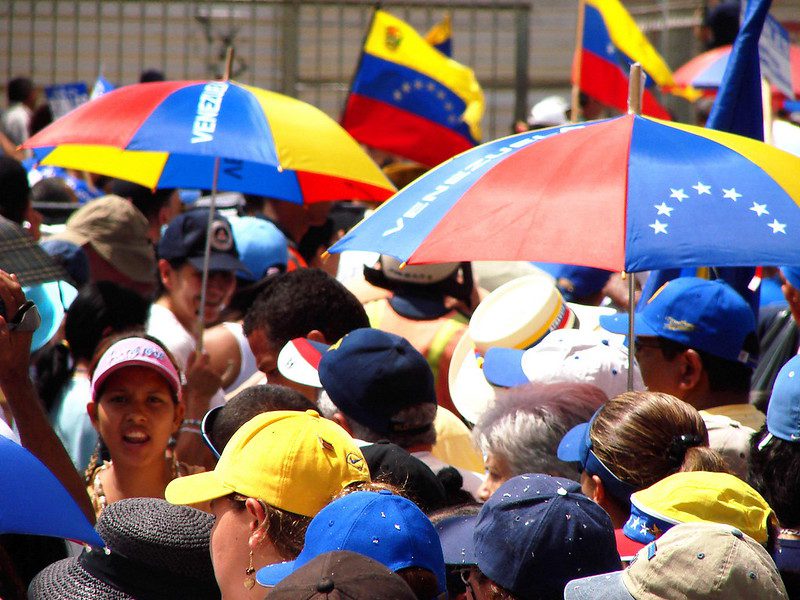
 In the face of economic challenges and social disparities, Venezuela has been fighting a lengthy battle affecting much of its population. In the last decade, the poverty rate in Venezuela has increased considerably each year, a glaring issue among South American countries. Fortunately, several impactful nonprofit organizations are dedicated to addressing and mitigating this growing crisis.
Alimenta la Solidaridad
This group was founded in 2016 by Roberto Patiño. It originally focused on managing the food crisis affecting the most vulnerable populations in Venezuela. The organization started small by installing canteens in neighborhoods and establishing relationships with communities and other health groups. Over time, this group has implemented programs to enhance welfare and development, evolving into one of the most effective nonprofits combating poverty. Currently, Alimenta la Solidaridad’s operations portfolio includes eight programs focused on developing community well-being.
Important programs created by Alimenta la Solidaridad addressing poverty alleviation concentrate on food security, health and nutrition. The organization has established “Community Kitchens” that provide communal cooking spaces where marginalized communities can access nutritious meals, fostering resource sharing and promoting sustainable solutions to hunger and malnutrition. The program guarantees a daily lunch containing 40% of the estimated caloric load beneficiaries should consume for optimal development. This aspect is particularly significant for communities currently facing malnutrition and scarcity consequences of poverty.
A personal account from a woman named Juanita, who runs an Alimenta la Solidaridad-sponsored community kitchen from her home, demonstrates the organization’s impact on an individual level. In 2019, massive blackouts throughout the country caused widespread panic. According to the report, Juanita was very moved that Alimenta la Solidaridad visited her community to offer help in a crisis. She expressed that they had given her hope, knowing she and her family had not been forgotten during the disaster. Years later, Juanita joined the movement to help keep the project running. The name “Alimenta la Solidaridad” translates to “Feed together in unity” and can be extrapolated to mean “an exchange of hope in a country of permanent crisis.”
Caracas Mi Convive
Roberto Patiño and Leandro Buzón founded this organization in 2013 to collaborate with local leaders and communities to promote solutions to nagging poverty and ongoing violence. Recently, the group has successfully implemented programs that support local leadership training, the development of capacities and the promotion of community organizations for the construction of safer areas. Over the last decade, the group has achieved significant accomplishments, making it one of the most impactful nonprofits fighting poverty in Venezuela today.
Many of these essential programs were created to improve living conditions and reduce violence. Caracas Mi Convive created the “Solidarity Network” (or “Red Solidaria”), a project dedicated to meeting with Venezuelan community leaders to advance social leadership, community organization and social coexistence. The Caracas Mi Convive website boldly states, “Venezuela is going through a political, social and economic crisis of great proportions. During recent years, the rule of law has been eroded, the democratic system has been fractured, institutions have been delegitimized and lack representativeness, human rights are constantly threatened and with this, the mechanisms of citizen participation have been restricted.”
In addition to combating the poverty rate in the city of Caracas, reducing the persistent threat of violence is also a priority since it greatly hinders social progress and economic development and perpetuates a cycle of instability within the population. In 2020, there was a recorded testimony from a community leader in western Caracas who was asked about violence during the ongoing COVID-19 pandemic. This unnamed individual seemingly speaks as if violence is a familiar theme in Caracas, “I have known about many homicides that have occurred during this quarantine, especially among young people. Just a few days ago, a young man was thrown off a building from the eighth floor because of a family row. Also, two young men were killed by state security forces.” There are further statistics that indicate roughly 100 homicides occur per 100,000 citizens, making Venezuela one of the most violent countries in Latin America. To combat this issue, the nonprofit works hard to construct safer environments and living spaces within the community.
Cuatro Por Venezuela
Founded in 2016 by four Venezuelan women, this group was established to create programs and partnerships to provide poverty relief in countries facing significant needs. Over time, these four friends, Gloria Mattiuzzi, Gabriela Rondón, Maria Elena Texeira and Carolina Febres, made it their mission to grow the small organization into something greater to support the ongoing needs in their birth country. Today, this group has become one of the most impactful nonprofits fighting poverty in Venezuela by providing humanitarian aid and support throughout the country.
Cuatro Por Venezuela has implemented projects to reduce poverty and hunger, one of the most prominent being the “Zero Malnutrition” program. This program is dedicated to feeding children and disabled elderly living in remote villages two nutritious meals each day, seven days per week for one year. By addressing hunger issues and improving the health and well-being of Venezuelans, initiatives like the “Zero Malnutrition” program contribute to reducing poverty.
Between 2017 and 2022, Cuatro Por Venezuela, with the support and contributions from its donors, facilitated the shipment of 116 tons of humanitarian aid in life-saving supplies to Venezuela. With this type of humanitarian influence, it’s no surprise that the organization is widely regarded as one of the most impactful nonprofits fighting poverty and hunger in Venezuela today.
– Caleb Ilayan
Photo: Flickr

The Charity Fighting Poverty in Burundi
Poverty in Burundi
As one of the countries with the lowest Gross National Income Per Capita (GNI) globally, Burundi is grappling with a dire economic situation and a scarcity of essential provisions for survival. The pervasive poverty in Burundi poses a significant risk, potentially leading to a national catastrophe. Notwithstanding, the Great Lakes Outreach (GLO) considers this dire situation in Burundi as an opportunity and has embarked on initiatives to address poverty and reconstruct the nation from its foundation.
The Great Lakes Outreach functions as a collaborative partner with smaller organizations, aiming to bring about social and economic reform in Burundi. Its strategy involves investing in schools, skills development, knowledge enhancement and providing food provisions. The ultimate goal of the organization is to eliminate poverty in Burundi, providing the people of Burundi with a fair chance to flourish.
Stories of Reform
Claudine and Sofia, who were facing extreme poverty in Burundi, found support through the Greenland Alliance, a partner organization backed by the Great Lakes Outreach. With financial assistance, they were able to secure loans to initiate their respective businesses. Claudine now earns income through livestock, enabling her to care for her four younger siblings. Meanwhile, Sofia plans to establish a small shop using products and profits generated from her plants and livestock. Remarkably, both young women were loaned less than $25, yet the impact on their lives and their families has been substantial.
Through the support of the Great Lakes Outreach, the Greenland Alliance is transforming the lives of impoverished citizens. The organization is teaching them valuable business skills and how to manage money. This act goes beyond empowering women and promoting financial independence to helping Burundians escape extreme poverty, one small loan at a time.
Another Great Lakes Outreach partner, United Citizens for Change and Development, is actively contributing to the improvement of education in Burundi. In 2022 alone, the organization established nearly 60 university-accredited Bible schools, resulting in more than 4000 graduates in the last year. Many of the Great Lakes Outreach Partners have long-term goals of sustainability and self-sufficiency through education and employability development. However, while these are crucial for lifting the nation out of poverty, many Burundians are in immediate need of aid, simply just to survive.
One Cup a Day Program
Food security is a top priority for the Great Lakes Outreach and one of its partners, Youth with a Mission, has initiated the “One Cup a Day Program.” This program aims to give malnourished children a hearty meal of porridge each day. Beyond addressing their nutritional needs, the program also creates a space for these children to play, have fun and develop friendships.
Extreme poverty in Burundi contributes to food scarcity and insecurity, exacerbated by the limited nutritional value of the country’s primary agricultural exports, such as tea, coffee and bananas. Initiatives like the “One Cup a Day” program serve as a lifeline to families facing extreme poverty. With the support of the Great Lakes Outreach, more starving people in Burundi are receiving vital food assistance each day.
– Abigail Tidball
Photo: Flickr
Nepal Earthquake: Emergency Aid and Assistance
The earthquake epicenter in Jajarkot, Karnali province, struck at 11:47 pm local time. Situated approximately 310 miles west of Kathmandu, Jajarkot bore the brunt of the seismic activity, leaving its 190,000 residents grappling with the devastation. Hindered by the region’s rugged terrain, local authorities faced challenges reaching the affected areas promptly, resulting in the tragic loss of at least 26 lives. In response, a wave of solidarity swept across the globe, with countries and humanitarian organizations extending emergency aid and assistance to help Nepal’s recovery efforts.
International Emergency Aid and Assistance
India was among the first responders, dispatching an aircraft laden with 9 tons of relief materials, including vital medicines, to Nepal just four days after the disaster struck. China’s South Asian Countries Emergency Supplies initiative, established during the COVID-19 pandemic, swiftly mobilized emergency relief materials worth Rs100 million (approximately $1.2 million) for Nepal. Similarly, Korea’s foreign ministry pledged $300,000 in emergency aid and assistance to support the nation’s recovery. Later, in November 2023, the European Union, through its Directorate-General for European Civil Protection and Humanitarian Aid Operations (ECHO), approved a €2 million emergency aid package to bolster Nepal’s rehabilitation efforts, ensuring access to shelter, clean water, sanitation and health care services.
Help From Humanitarian Organizations
Addressing the pressing nutritional needs exacerbated by the earthquake, the World Food Program (WFP) and the United Nations Children’s Fund (UNICEF) initiated the distribution of supplementary food to affected communities. UNICEF’s tireless efforts have yielded significant impact, with reports indicating critical supplies reaching more than 53,000 individuals, including 18,200 children. Additionally, the restoration of 565 toilets has benefited 2,740 people. Initiatives such as vitamin A supplementation for 26,442 children and the establishment of 223 temporary learning centers have provided vital support in the aftermath of the disaster.
Despite the ongoing threat posed by natural disasters, the commitment of national governments and humanitarian organizations to provide emergency aid and assistance underscores a collective dedication to Nepal’s recovery. These efforts underscore the significance of humanitarian work and foreign aid and also stand as a testament to the resilience of communities in the face of adversity.
– Naomi Ronner
Photo: Flickr
What About Child Poverty in Finland
Child Poverty in Finland Stats
According to UNICEF’s Report Card Study, which compares child poverty in the European Union and OECD countries, Finland is ranked 14th out of 39 countries, with 10.1% of children living in poverty between 2019 and 2021. Children in single-parent households face acute struggles. With the increased living costs, single parents face difficult decisions, such as buying food or new clothing for their children.
The Biggest Threat
Finland’s government cut its social security and unemployment budget in 2024, hoping to encourage its immigrant population to enter programs designed to prepare them for the workforce. However, the Social Affairs and Health Committee of the Finnish Parliament, after emotional and “chaotic” meetings, expressed concern about how these policy choices impact their population, as similar actions taken by Denmark in 2002 and 2015 resulted in drastic increases in poverty and crime levels. Researchers are also concerned that implementing these policies will discourage immigrants from participating in government integration programs.
UNICEF studies have shown that social security is essential for keeping children out of poverty. Sanna Koskein, a senior expert on child-friendly governance with UNICEF, says, “The proposed social security cuts by the current government will have serious consequences for the children’s well-being.”
Solving Child Poverty in Finland
Finland has announced an action plan to reduce the number of people at risk for poverty to 100,000 by 2030. This program focuses primarily on people with pensions and families with children and aims to encourage families to participate in government integration programs. The children of families who participate in these programs tend to stay in school longer, perform better academically and enjoy more success in the workforce. In the face of budget cuts to social services, programs aimed to reduce poverty levels are a path forward toward Finland reducing its child poverty rates, thus ensuring a better future for all its citizens.
– Heather Gisi
Photo: Unsplash
Poverty in Venezuela: 3 Impactful Nonprofits
Alimenta la Solidaridad
This group was founded in 2016 by Roberto Patiño. It originally focused on managing the food crisis affecting the most vulnerable populations in Venezuela. The organization started small by installing canteens in neighborhoods and establishing relationships with communities and other health groups. Over time, this group has implemented programs to enhance welfare and development, evolving into one of the most effective nonprofits combating poverty. Currently, Alimenta la Solidaridad’s operations portfolio includes eight programs focused on developing community well-being.
Important programs created by Alimenta la Solidaridad addressing poverty alleviation concentrate on food security, health and nutrition. The organization has established “Community Kitchens” that provide communal cooking spaces where marginalized communities can access nutritious meals, fostering resource sharing and promoting sustainable solutions to hunger and malnutrition. The program guarantees a daily lunch containing 40% of the estimated caloric load beneficiaries should consume for optimal development. This aspect is particularly significant for communities currently facing malnutrition and scarcity consequences of poverty.
A personal account from a woman named Juanita, who runs an Alimenta la Solidaridad-sponsored community kitchen from her home, demonstrates the organization’s impact on an individual level. In 2019, massive blackouts throughout the country caused widespread panic. According to the report, Juanita was very moved that Alimenta la Solidaridad visited her community to offer help in a crisis. She expressed that they had given her hope, knowing she and her family had not been forgotten during the disaster. Years later, Juanita joined the movement to help keep the project running. The name “Alimenta la Solidaridad” translates to “Feed together in unity” and can be extrapolated to mean “an exchange of hope in a country of permanent crisis.”
Caracas Mi Convive
Roberto Patiño and Leandro Buzón founded this organization in 2013 to collaborate with local leaders and communities to promote solutions to nagging poverty and ongoing violence. Recently, the group has successfully implemented programs that support local leadership training, the development of capacities and the promotion of community organizations for the construction of safer areas. Over the last decade, the group has achieved significant accomplishments, making it one of the most impactful nonprofits fighting poverty in Venezuela today.
Many of these essential programs were created to improve living conditions and reduce violence. Caracas Mi Convive created the “Solidarity Network” (or “Red Solidaria”), a project dedicated to meeting with Venezuelan community leaders to advance social leadership, community organization and social coexistence. The Caracas Mi Convive website boldly states, “Venezuela is going through a political, social and economic crisis of great proportions. During recent years, the rule of law has been eroded, the democratic system has been fractured, institutions have been delegitimized and lack representativeness, human rights are constantly threatened and with this, the mechanisms of citizen participation have been restricted.”
In addition to combating the poverty rate in the city of Caracas, reducing the persistent threat of violence is also a priority since it greatly hinders social progress and economic development and perpetuates a cycle of instability within the population. In 2020, there was a recorded testimony from a community leader in western Caracas who was asked about violence during the ongoing COVID-19 pandemic. This unnamed individual seemingly speaks as if violence is a familiar theme in Caracas, “I have known about many homicides that have occurred during this quarantine, especially among young people. Just a few days ago, a young man was thrown off a building from the eighth floor because of a family row. Also, two young men were killed by state security forces.” There are further statistics that indicate roughly 100 homicides occur per 100,000 citizens, making Venezuela one of the most violent countries in Latin America. To combat this issue, the nonprofit works hard to construct safer environments and living spaces within the community.
Cuatro Por Venezuela
Founded in 2016 by four Venezuelan women, this group was established to create programs and partnerships to provide poverty relief in countries facing significant needs. Over time, these four friends, Gloria Mattiuzzi, Gabriela Rondón, Maria Elena Texeira and Carolina Febres, made it their mission to grow the small organization into something greater to support the ongoing needs in their birth country. Today, this group has become one of the most impactful nonprofits fighting poverty in Venezuela by providing humanitarian aid and support throughout the country.
Cuatro Por Venezuela has implemented projects to reduce poverty and hunger, one of the most prominent being the “Zero Malnutrition” program. This program is dedicated to feeding children and disabled elderly living in remote villages two nutritious meals each day, seven days per week for one year. By addressing hunger issues and improving the health and well-being of Venezuelans, initiatives like the “Zero Malnutrition” program contribute to reducing poverty.
Between 2017 and 2022, Cuatro Por Venezuela, with the support and contributions from its donors, facilitated the shipment of 116 tons of humanitarian aid in life-saving supplies to Venezuela. With this type of humanitarian influence, it’s no surprise that the organization is widely regarded as one of the most impactful nonprofits fighting poverty and hunger in Venezuela today.
– Caleb Ilayan
Photo: Flickr
The Impact of HIV/AIDs in Costa Rica
Strategies for Effective Prevention
HIV/AIDS remains a pressing public health concern in Costa Rica, with a steady increase in annual cases. Despite significant efforts to raise awareness and provide accessible health care, statistics show that cases have grown annually.
Kim Marie Day conducted a case study to compare HIV treatments and policies between the United States and Costa Rica. The study emphasizes the importance of addressing the psychological component of HIV/AIDS, as patients face social stigma and emotional challenges, highlighting the need for comprehensive treatment, including mental health care.
While global HIV/AIDS strategies often focus on physiological aspects, Day advocates for integrating mental and social health treatment during the crucial moment of diagnosis to improve quality of life. Despite positive trends in Costa Rica’s efforts to decrease HIV prevalence, challenges persist in effectively reaching high-risk groups, emphasizing the need for continued efforts in primary preventative care and harm reduction programs.
How the US Provides Support
To improve support for Costa Rica’s efforts to combat HIV/AIDS, the U.S. might consider incorporating new initiatives for knowledge exchange and resource sharing. Additionally, the U.S. can explore avenues for joint projects, strengthening the evidence base for effective HIV/AIDS management. Such partnerships would bolster Costa Rica’s health care capabilities and foster a shared commitment to global public health initiatives. One of the most impactful collaborations currently is between Costa Rica and USAID.
Over time, USAID has been successful in various initiatives to combat multiple diseases, standing at the forefront of global efforts to combat HIV. More recently they have supported the Costa Rican government through their Central American Regional HIV/AIDS Program, allocating $3.7 million for testing services and quality care for those living with HIV.
Issues Surrounding the Costa Rican Health Care System
The Costa Rican health care system currently faces many notable challenges warranting attention. These include disparities in access to health care, particularly in rural areas, where the distribution of resources is uneven. Additionally, the system grapples with the need for ongoing improvements in addressing mental health within the health care framework and ensuring comprehensive medical care for diseases like HIV.
According to UNAIDS, roughly 17,000 people were living with HIV in the country in 2022 validating the need for continued efforts in prevention and education. Exploring these issues provides valuable insights into the complexities of health care in Costa Rica and offers opportunities for potential enhancements to the existing system.
It is also important for health officials to address the poverty issue in Costa Rica, since it significantly contributes to the HIV/AIDS epidemic, by creating poor living conditions, increasing vulnerability and hindering access to preventive measures and treatment. The current poverty rate is around 21% with nearly 400,000 households “lacking sufficient economic resources.”
Governmental Initiatives
There is an NGO currently working in to address health care and HIV/AIDS in the country called PSI Costa Rica. This group works with other local foundations to center health care around people and aim for health systems that guarantee quality. This NGO is focused on making it easier to prevent, identify and treat HIV/AIDS by bringing consumer voices and perspectives to the disease response and supporting public health providers to better respond to the needs of their clients and patients.
Through activities including HIV self-testing, cyber-education, community coaching and pharmacy services, this group aims to bring accessible health care to the populations of Costa Rica. In 2019, it was reported that this NGO distributed more than 2 million HIV self-test kits to individuals around the country and helped nearly 50,000 people identify their HIV-positive status and access treatment. Through the efforts and support from organizations like PSI we can expand access to essential health care services, raise awareness about preventive measures and ultimately contribute to the global fight against HIV/AIDS.
– Caleb Ilayan
Photo: Flickr
5 Things To Know about Education in Burundi
Formal and Non-Formal Education
In Burundi, there are two types of education: formal and non-formal. Formal education, which is aimed at all children, has five levels. These include:
Non-formal education consists of general activities and learning aimed at out-of-school children and illiterate adults. Primarily funded by NGOs and religious groups, this form of education focuses on providing learning in basic literacy and mathematics to make general education more accessible.
Education is Free
Part of the success of education in Burundi is owed to the widespread governmental support, evident in the decision to make education free and compulsory for all at the primary level. Consequently, an impressive 96% of children were attending school in 2011, compared to 59% just six years earlier. A U.N. Secretary-General report also stated that despite being one of the world’s least developed countries, Burundi ranked highest among countries “having made the greatest strides in education.”
Burundi Scores Highly in African Literacy Rates
By making primary education free and compulsory, education in Burundi is well on the rise. As of 2017, literacy rates among young people have jumped from 62% to 88% over a decade. Consequently, Burundi has become one of the top 20 African countries for literacy, which is a huge achievement for the nation. This is largely owed to introducing Kirundi, the local language that most of the population speak, as the language of instruction during the early years of schooling, as well as hiring dedicated teachers and emphasizing the importance of education among communities.
Burundi Dedicates a Quarter of Its Budget to Education
Burundi has an extremely young and fast-growing population. With 41.5% of its population under 15, there is a constantly growing demand for teachers, school equipment and resources. As a result, the country has invested 25% of its national budget into education for the last five years, which is significantly more than average for a sub-Saharan country. Such investment aims to increase education rates among the younger generation and keep up with the expected growing demand for Technical and Vocational Education and Training (TVET), which is predicted to increase by almost 50% by 2030.
Despite All, There Remain High Drop-Out Rates
Despite all of the efforts to improve education in Burundi, the nation continues to see high drop-out rates. According to a study conducted by the Education Policy and Data Center in 2010, school participation rates remained high for both sexes at the age of 10, with 92%. However, these rates declined to 65% for girls and 77% for boys by the time they reached 15.
More girls are dropping out than boys in their adolescent years for various reasons, such as teenage pregnancy and a lack of separate toilet facilities, which are increasingly important for girls when they begin menstruation. External factors and circumstances continue to be capable of impacting a child’s education despite the quality of schooling that may be available to them.
The Future
The above facts demonstrate the significant progress education in Burundi has seen in the last couple of decades and the areas that may still need some further attention. Despite being one of the poorest countries in the world today, Burundi remarkably achieves high literacy rates, provides free primary education and ensures that practically all children receive a basic education. Although external and societal factors remain a pressing issue and a reason for significant drop-out rates among older children, Burundi is no doubt on the right path to a brighter and more educated future for its population.
– Rose Williams
Photo: Flickr
Childhood Health in Liberia
Childhood Malnutrition
Stunting in a child is one of the most worrisome problems associated with childhood health in Liberia. Approximately “one in three children under the age of 5 are stunted or too short for their age.” Childhood health in Liberia is significantly affected by stunting and children can face many challenges because of it. It can negatively affect a child’s brain function, immune system and organ development. A child who experiences stunting may also perform poorly in school and experience decreased productivity. In the future, the child could also develop obesity or diabetes.
In Liberia, the neonatal period is the most challenging time for a child. This is considered the “make or break years.” More than a third of deaths in children under the age of five happen during the neonatal period. This is because of the high maternal mortality rate and children not getting the support that they need. The maternal mortality rate is 1,072 deaths for every 100,000 births. Children may either die with their mother during childbirth or are born without a mother to care for them and provide the proper nutrition.
Children need access to food that provides energy, protein, fatty acids, iron, iodine, zinc and thiamin to grow properly and healthy. If a child is living in poverty and does not have easy access to nutrient-dense food, they are at more of a risk of experiencing stunting. The most significant growth velocity occurs between conception and two years of age.
Childhood health in Liberia has remained stagnant, while other parts of the world are declining in stunting. This is due to the continued high poverty rate, natural disasters and past and present conflict. However, the Liberian government and other organizations strive to solve the issues.
Organizations Here to Help
The United Nations Children’s Fund (UNICEF) supports childhood health in Liberia. The organization is working with the Liberian government to provide women with proper nutrition during pregnancy and children with adequate nutrition during the first two years of their lives. UNICEF also supports Direct Nutrition Interventions, promoting breastfeeding, treatment of malnutrition, hand washing, de-worming, supplements and food fortification.
The Power of Nutrition organization also strives to reduce childhood health in Liberia. The initiative seeks to help “lower coverage of nutrition services, limit capacity of health workers and challenge the nutrition information system.” So far, it has helped more than 950,000 children and more than 517,000 women access nutrition services.
The Actions Against Hunger organization is also active for childhood health in Liberia. It strives to provide childcare services, family planning services, nutrition services for pregnant women and breastfeeding mothers, malnutrition screening for children under five and hygiene kits to 4,000 households.
A Way Forward
Childhood health in Liberia is greatly affected by malnutrition and stunting. There is still a huge problem, but many organizations strive to fight it and give children better opportunities.
– Abby Trussell
Photo: Flickr
5 Charities Operating in Colombia
And yet, the country has endured. In 2022, the people of Colombia elected progressive candidate and former M-19 paramilitary Gustavo Petro as President. Some critics argue that in many ways, this election result is a symbol of the direction in which this country is heading. The last 20 years have seen a marked decrease in Cartel violence, paramilitary activity and foreign political interference. A thriving tourist economy has also grown. Here are some of the charities operating in Colombia that have been instrumental in affecting this change.
Corporacion Superarse
Dr. Francisco Rojas founded Superarse in 1970 as a measure to help orphans living on the streets of the country’s second city of Medellin. The charity has since spread across the country and has helped find homes, educational programs and ultimately careers for more than 6,000 orphaned or abused children. Today, Superarse provides educational programs, specifically in technical and environmental education and organizes sponsorships for individual children who could be at risk of “street work.”
Fundacion Tiempo de Juego
Another charity focussing on the struggles of young people in Colombia, Tiempo de Juego operates in the Magdalena, Cundinamarca and Cuaca regions of Colombia. The charity was founded in 2006 as a non-profit safe space for children and adolescents at risk of recrution into Cartels or being forced into other criminal activities. The backbone of the charity focuses on sporting activities – especially football (soccer) – but also provides Arts, reading and technology lessons for (as of 2021, more than 7,000) Colombian children who would never normally have access to the advantages of education and social inclusion. In particular, the charity’s Leadership School Model scheme has created opportunities for children to progress into leadership roles within the charity’s educational and community framework.
Red Somos
As of 2022, approximately 190,000 people are living with HIV/AIDS in Colombia, the third highest number in the region. Thanks in large part to charities such as Red Somos however, incidence rates in Colombia have fallen by 14%. Red Somos is one of the charities leading the fight against HIV/AIDS in Colombia. Its programs encompass advocating for fairer treatment for those living with HIV/AIDS and providing “prevention, diagnosis, care and treatment services for HIV and other STIs.” Although many of its initiatives focus on advocating for and protecting LGBTQ and migrant rights, its groundbreaking work in isolated communities in terms of HIV testing and prevention is what sets it apart.
Banco de Alimentos de Bogotá
Banco de Alimentos de Bogotá, one of the country’s largest food banks, has served the people of Colombia since 2002. To give some sense of the scale of the operation, the charity has served over 501,000 people across Colombia in the first two weeks of 2024 alone. The organization serves as an incredibly effective “articulator” of goods between international donors and the communities across Colombia that need them most, from isolated rural communities that often rely on subsistence farming to inner city neighborhoods where poverty is rife.
HIAS Colombia
When it comes to charities operating in Colombia, HIAS is something of an outlier insofar as it focuses specifically on helping people from overseas in demonstrably worse situations. Following the political collapse of Venezuela in 2019, the charity supported more than 77,000 Venezuelan refugees in Colombia. As well as providing temporary housing and food support to refugees, HIAS helps reunite refugee families and focuses in particular on “single women and women-headed households” who are often amongst the most vulnerable of refugees. Its methods include political advocacy and providing long-term economic inclusion for refugees.
As a general overview of charities operating in Colombia, this list is far from exhaustive. However, what it plainly shows are the hallmarks of a country moving from being described as “developing” to “developed.” That being said, it is clear that these organizations and many more like them, will need long-term support from the developed world if this dream is to be realized.
– Rory Giles
Photo: Flickr
Combating a 3,000-Year-Old Enemy: Yellow Fever in Africa
Angola, a southwestern African country, experienced an urban outbreak of yellow fever in 2016. In urban outbreaks, where disease spreads from human to human, yellow fever is exceptionally deadly. In the Angola outbreak, yellow fever spread to nearby countries and caused a pressing need for millions of yellow fever vaccine doses. All available vaccines were quickly distributed, making the need to plan for future outbreaks clear.
In response, the World Health Organization, in partnership with Gavi and UNICEF, created the Eliminate Yellow Fever Epidemics (EYE) Strategy in 2017. The EYE Strategy outlines a plan to combat yellow fever through 2026, targeting 40 countries, including 27 in Africa, at the highest risk for yellow fever. The primary objectives of the EYE Strategy are to protect at-risk people, prevent international spread and quickly quell outbreaks. Many successful efforts have been made in the fight against yellow fever in Africa.
Protecting At-Risk People
The primary way to protect people at risk for yellow fever is through vaccination. The yellow fever vaccine is safe, low-cost and grants lifelong immunity. Each dose costs slightly more than $1. The EYE Strategy recommends mass vaccination efforts in high-risk countries. Additionally, the strategy recommends that high-risk African countries include the yellow fever vaccine in their regular childhood vaccination schedules. There is consensus that population herd immunity for yellow fever is between 60% and 80% and therefore, the EYE Strategy aims to have at least 70% of the high-risk population vaccinated.
There have been many efforts to protect at-risk people from yellow fever in Africa. Between 2017 and 2022, more than 220 million individuals in Africa received the yellow fever vaccine, with more than 50 million of those vaccinations administered through campaigns. Nigeria conducted a preventative campaign and vaccinated more than 31 million people. The Republic of the Congo vaccinated 3.6 million people in a campaign in response to an outbreak.
Preventing International Spread
The EYE Strategy outlines ways to prevent the international spread of yellow fever. One strategy is prioritizing vaccination for workers in high-risk industries like oil, mining, construction and forestry. Another way to stop international spread is to require yellow fever vaccination for people traveling to and from high-risk countries. The EYE Strategy also recommends readiness plans with steps for agencies to take during an outbreak. Such plans can ensure authorities are prepared to start reactive mass vaccination campaigns quickly.
African countries have made strides to prevent the international spread of yellow fever. Many African countries with a high risk of transmission have vaccination requirements for travelers. Angola, for instance, mandates proof of yellow fever vaccination for travelers aged 9 months and older. Many countries have also developed outbreak readiness plans to prevent international spread. In 2021, Nigeria published a detailed report of its outbreak responses from 2017 to 2019 and its strategies to improve readiness. This report provides a playbook for other African countries to improve their outbreak responses.
Quelling Outbreaks
The EYE Strategy provides several ways for countries to contain outbreaks. Rapid detection of yellow fever cases is one important strategy. Building and maintaining surveillance networks is critical so agencies can identify yellow fever cases immediately. Well-stocked laboratories are also vital to confirm yellow fever cases. An additional strategy to stop outbreaks is stockpiling vaccines. Authorities can deploy stockpiled yellow fever vaccines during outbreaks and help contain disease spread.
Efforts to thwart yellow fever in Africa have improved outbreak responses. The EYE Strategy’s Laboratory Technical Working Group approved a new yellow fever test kit to speed up detection in 2021. In 2022, laboratories in Uganda, Niger, Chad and Ghana improved their abilities to detect yellow fever through training. The EYE Strategy’s Incident Management Support Team provided education on optimizing surveillance and outbreak responses in 10 African countries in 2022.
EYE Strategy Midpoint
The EYE Strategy reached the midpoint of its timeline in 2022. So far, its efforts have resulted in major successes in fighting yellow fever in Africa, including hundreds of millions of vaccinations and improved outbreak readiness.
Despite these successes, more than 10 African countries reported cases of yellow fever in 2022. The work continues to improve yellow fever in Africa.
– Kelly Carroll
Photo: Flickr
Caritas: Tackling Homelessness in Mauritius
The Causes of Homelessness
In 2022 the National Social Inclusion Foundation (NSIF) conducted a study in partnership with numerous NGOs working against homelessness in Mauritius, which revealed many factors that either lead or drive people to the streets on the island. Although an exact figure for homelessness is not known, the NSIF surveyed a sample of 102 individuals to determine the common causes of homelessness. The results were as follows:
A surprising 52% of respondents in this survey were employed and received a salary – many working as cleaners, street vendors, security guards or plumbers. Yet they still find themselves unable to afford the rent due to the high cost of living.
The study also concluded that many of those surveyed were not aware of the social assistance that was available to them, very few had actively looked for information or applied for assistance. However, many charities have been making great progress in changing this by reaching out and offering help to the Mauritian homeless, providing shelter, rehabilitation, financial support and counseling for those in need.
Caritas
Founded in 1965 as part of the wider Caritas Internationalis Confederation, Caritas Ile Maurice is the Mauritian branch of a Christian grassroots charity, with more than 1,000 volunteers on the island. Despite an initial focus on providing emergency relief following Mauritian independence in 1968, Caritas has made significant progress in reaching out to the marginalized and tackling homelessness in Mauritius in recent years.
There are a reported 152 “pockets of poverty” in Mauritius, within which approximately 12,800 families and 3,000 squatters reside. To tackle this issue, Caritas has launched multiple initiatives since 2001 to provide relief and assistance for those in need, helping both the homeless, and those at risk of becoming homeless. It has partnered with the private sector and multiple U.N. organizations and state institutions to deliver relief in a multitude of ways.
Housing and Shelters
The Fonds Logement Caritas: Caritas Housing Fund has helped more than 900 Mauritians cover their housing loans so that families can become homeowners without the threat of losing their homes. Thanks to this initiative, many families and children have gained or maintained a roof over their heads and a stable and safe place to live, and those who may once have been at risk of losing their homes, gain a more secure living situation.
Caritas also runs two Night Shelters, Abri de Nuit de Port Louis/Plaine Wilhems, where the homeless can “regain their human dignity” and attempt to return to society, by providing overnight accommodation, bathrooms, proper meals and psycho-social assistance/ The facilities here can significantly improve a resident’s chances in successfully returning to society – while offering much-needed refuge from the isolation and hardship of living on the streets.
As a charity, Caritas has provided vital services and assistance for the homeless of Mauritius, reaching more than 50,000 beneficiaries, according to its website.
Mauritius seems to be on the right path for development. As of 2011, 87% of the Mauritian population were homeowners. In the same year, the United States figure rested at 70%.
A Promising Future
Thanks to the collaboration of both the state and NGOs such as Caritas, homelessness in Mauritius has seen significant progress and those affected are gaining real chances at a promising future as more and more people gain housing security, and those who remain gain access to both shelter and assistance.
The deciding factor on whether this vital work continues to help the homeless rests on the continued efforts of these charities and the state institutions prioritizing the homelessness issue. The future seems optimistic, but may only remain so. At the same time, the charities and government are consistently prioritizing helping those suffering or at risk and are placing increased focus on the root of the problem by addressing common causes that lead or drive people to the streets.
– Rose Williams
Photo: Flickr