ECLAC Report of Latin America and the Caribbean
The United Nations Economic Commission for Latin America and the Caribbean (ECLAC) presented a report on the economic and social panorama of the community of Latin American and Caribbean States in Havana at the 2nd Community of Latin American and Caribbean States (CELAC) summit.
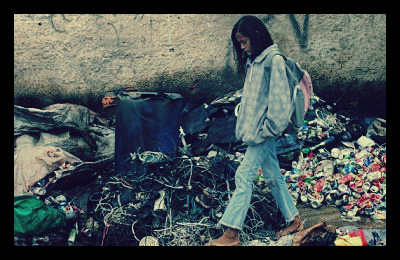
The ECLAC report stated that roughly 28.2% of the total population in Latin America and the Caribbean were living in poverty, with 11.3% living in extreme poverty. In numerical terms, this means 164 million people remain in poverty, while 66 million people are still living in conditions of indigence.
The poverty rate in Latin America and the Caribbean fell 1.4% on last year, and 40.5% of children and adolescents in Latin America can be classified as either poor or extremely poor.
Countries such as El Salvador, Honduras, Bolivia, Guatemala, Nicaragua and Peru have the highest level of child poverty, averaging around 72%. In contrast, countries with the least amount of child poverty such as Argentina, Uruguay, Chile, Ecuador, Costa Rica, only 19.5% of children lived in poverty.
The poorest 5% received 5% of the total income, while the wealthiest quintile averaged 47% of total income. The regional average for unemployment fell by .1% on last year to 6.3% in 2013.
The report also highlights the record level of foreign direct investment (FDI) inflows in the region, which hit an all-time high of $174.546 billion. This is a 5.7% increase over 2011 FDI levels and is the third year in a row in which FDI levels have increased.
The greatest increases in FDI over last year occurred in Peru (49%) and Chile (32%). Brazil received the largest absolute FDI inflow, with 38% of the total for the Latin America and Caribbean region. The biggest sector for FDI investment was in services (44%), then manufacturing (30%), and finally natural resource sectors (26%).
The forecast for GDP growth across the entire Latin America region in 2014 is 2.8%, slightly down from the previous estimate of 2.9% and mainly due to sluggish growth and downward revisions in the economic forecasts for Brazil, Paraguay and Venezuela.
Emerging markets continue to brace for the negative impact on growth to come from the tapering of the Federal Reserve’s bond-buying program, which began in January and is expected to hit emerging economies used to the high liquidity available in the global financial system.
– Jeff Meyer
Sources: CEPAL, Independent European Daily Express
Photo: Fox News
