5 Books about Global Health and Development
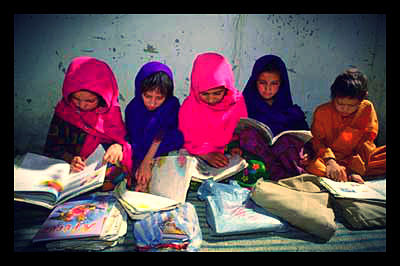
No matter what your political leanings may be, these books cannot help but convince readers of the importance of global development. As you read the anecdotes and arguments presented in these books, remember that only 1 percent of the U.S. budget goes to foreign aid – and change begins with you.
1. Three Cups of Tea by Greg Mortenson
After traveling and mountain-climbing in the Himalayas, Mortenson launched a mission to bring schools and education to children living in remote regions of central Asia. His moving book outlines the importance of local development projects targeted at education, capacity building and sustainability. Through Mortenson’s activism and writing, the Taliban’s hold has been reduced over previously unprotected and disempowered communities.
2. Partner to the Poor by Dr. Paul Farmer
World-renowned doctor, anthropologist and humanitarian Paul Farmer defines the term “structural violence” and explains its connection to global health in this gripping book. Farmer writes about the structural elements of political and social life that systematically undermine access to healthcare in rural Haitian, Rwandan and Peruvian communities. His arguments on political instability’s effect on population compel readers to see the vast impact of foreign policy and aid.
3. The Practice of International Health by Ananya Roy and Daniel Perlman
This book offers a series of personal accounts from physicians and humanitarians providing healthcare around the world. More so than other anecdotes, these stories provide a detailed picture of the logistical and cultural challenges international development projects face. However, rather than discouraging such projects, “The Practice of International Health” demonstrates how such barriers can be overcome in order to achieve remarkable success.
4. Half the Sky by Nicholas Kristof and Sheryl WuDunn
Journalists Kristoff and WuDunn cover a lot of ground in this entertaining and heartbreaking collection of stories. Similar to Mortenson’s work, “Half the Sky” emphasizes the importance of grassroots organizations, illuminating the tireless efforts of individuals in India, China, Afghanistan and Ethiopia on the behalf of women. In the book’s epilogue, Kristoff and WuDunn also provide an extensive list of nonprofits doing amazing work around the world, as well as easy steps for getting involved in female empowerment and global development.
5. Banker to the Poor by Muhammad Yunus
Microfinance has both supporters and critics, but after reading this autobiography by the founder of the Grameen Bank, Muhammad Yunus, readers might find that their opinion has changed. Yunus was awarded the Nobel Peace Prize in 2006 for his work in providing small-value loans to women in rural areas in order to promote economic growth among families and villages.
– Shelly Grimaldi
Sources: GoodReads, Banker to the Poor
Photo: Wishes 4 Life
