Malaria Education in Madagascar
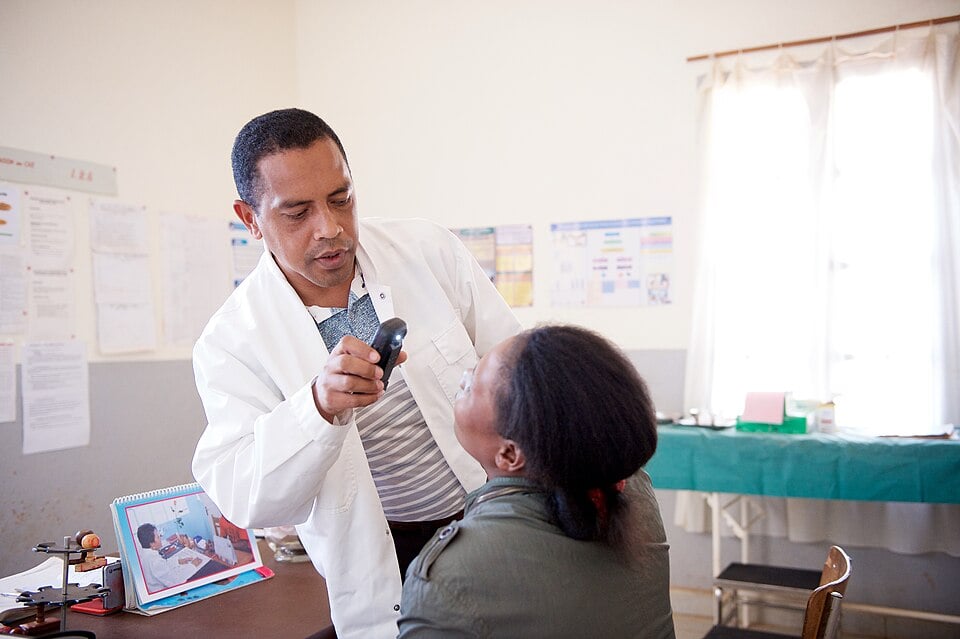
Madagascar, an island country east of Mozambique, faces significant poverty and malaria challenges. According to World Bank estimates, 69.2% of its population lived below the international $3-a-day poverty line in 2021, measured in 2021 purchasing-power-parity dollars. Malaria outbreaks have placed additional pressure on communities and health services.
What Works and What Does Not in the Current System?
Geography is crucial when discussing the incidence of malaria infection and why it is harder to contain in Madagascar than in other places with high malaria incidences. Madagascar is an island country heavily impacted by weather events such as cyclones and droughts. Its landscape includes both endemic lowlands and epidemic-prone highlands that create transmission zones, making it very hard to monitor and control the disease. This leads to the necessity of personalized or regionally specific prevention techniques, like malaria education in Madagascar alongside the use of ITNs and residual spraying.
WHO reporting identifies Madagascar as a malaria-endemic country where malaria cases increased markedly in 2024. The risk of malaria differs across communities and transmission settings. The implementation of the highly effective insecticide-treated nets (ITNs), indoor residual spraying (IRS), and seasonal malaria chemoprevention (SMC) have been in effect since the early 2000s and continue to be some of the most useful methods of preventing the disease. Although the CDC notes that indoor spraying lasts about three to six months and does not prevent people from being bitten, it simply kills mosquitoes that land on the sprayed surface.
Malaria-specific social and behavior change communication encourages the use of proven prevention methods, including insecticide-treated nets and indoor residual spraying. Community health workers can explain how to use these interventions and when to seek diagnosis and treatment. Another program for malaria control came from the ACCESS Program and the Ministry of Public Health and National Malaria Control Program partnering to create a community-centered program involving community health volunteers. This program included home visits for early detection and pre-referral treatment for severe malaria in children under five. By the end of ACCESS in 2025, nearly 14,000 community health volunteers were actively delivering malaria prevention and treatment services. ACCESS reports that more than 180,000 people received integrated community services in 2023-2024.
Time to Add Something New?
Although these programs extend prevention and treatment services, malaria remains a serious public health challenge in Madagascar. While the connection to community health volunteers has helped, and there has been some form of malaria prevention education through social and behavior change communication, the programs in place revolving around educating people on general malaria prevention and treatment methods in Madagascar need more investment to reach all villages across the country’s landscape.
A study done in Burkina Faso and Cote d’Ivoire by The Lancet Global Health found that pairing malaria education with the use of ITNs cut disease risk as much as indoor spraying combined with insecticide nets. The research showed a 22% reduction in cases in the following 10 months compared to just using nets alone. This evidence suggests malaria education in Madagascar could help reduce malaria alongside the use of insecticide nets and residual spraying. These findings suggest that targeted malaria education could complement nets, spraying, diagnosis and treatment in Madagascar, although this study in Madagascar has not demonstrated the same result.
Looking Ahead
Strengthening locally appropriate malaria education through community health workers and social and behavior change communication may complement existing prevention, diagnosis and treatment efforts. Reaching remote communities remains essential.
– Lily K. Gibson
Lily is based in Connecticut, USA and focuses on Global Health and Politics for The Borgen Project.
Photo: Wikimedia Commons
