How Solar Water in Rural Malawi is Improving Health
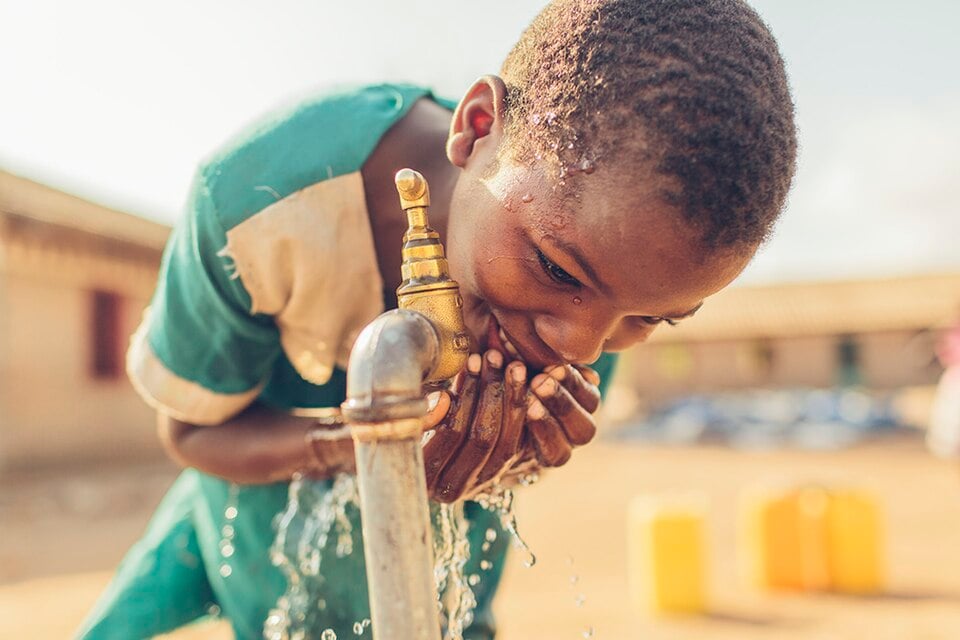
Solar water in rural Malawi is helping families get safer and more reliable water. In Karonga District, new solar-powered water systems were built at Chikutu and Thawiro health posts and nearby villages. The systems now provide clean water to more than 2,000 people. Before the project, some families depended on rivers and rainwater for their daily needs. These factors made access to safe water difficult and increased the risk of diseases such as diarrhea and cholera.
Life Before Safe Water
Previously, many families in the area had no easy access to clean water, and in some cases, they had to get it from rivers or use rainwater. This was not always a safe arrangement, particularly for children. The Chikutu Health Post also had difficulties with water supply since the health workers needed clean water both to look after patients and to keep the health post clean. It was therefore important to have a safe source of water close by for the health center.
How Solar-Powered Water Systems Help
The new water systems use solar power to pump water from underground. The water is then stored in tanks and brought closer to the health posts and nearby communities. This gives families a safer source of water and means they do not have to depend as much on rivers or rainwater. The systems also give health workers easier access to the water they need each day. Solar-powered water systems are already in use in various areas of Malawi. The systems use solar power to pump water to places where people need it. This system includes homes, schools and health centers. In 2024, UNICEF-supported solar water systems provided safe water to 48,000 people in Malawi. Around 23,500 of them were children. Similar systems are now being used in different parts of the country, not only in Karonga.
Better Water, Better Health
It is also important to have safe water in order to prevent diseases; in 2023 the Chimaliro Health Centre noted 40 cases of cholera and one death. The health center and the families living nearby had been using water from the same borehole, a source that at times was not safe. Later on a solar-powered water system was set up in the area. Once the new system began to operate, the health center recorded no cases of cholera in 2024 and the health workers also had more water at their disposal for cleaning and looking after patients.
More Time for School
Solar water in rural Malawi can also save time for students. In Machinga District, some students at Mpalangwazi Primary School had to collect water before going to school. Because of this, they sometimes arrived late. Later, six solar-powered water points were built at the school and in nearby villages. Teachers said that students started coming to school on time more often. The school has more than 1,000 students, so having water closer to them can save time before and during the school day.
Water Access in Malawi
For many people in Malawi access to clean water is still a major problem. WaterAid states that about 17% of the population have no access to clean water and that 56% lack proper hygiene facilities. In rural areas people often have to walk long distances to get their water or have to depend on sources that might not be safe. The problem also affects health centers since clean water is needed by patients, the staff and for the daily cleaning. WaterAid has worked with health centers in Malawi to improve their water and sanitation services. This has involved the installation of piped water systems powered by solar energy.
Solar power is useful in rural areas since it allows the water to be pumped without relying on a regular electricity supply. Once the water is pumped, it can be stored and used by the health center and people living nearby. It is also beneficial for families to have a source of water nearby because it saves them time. Rather than spending part of the day searching for or gathering water, people have more time available for going to school, working and looking after other matters. This is particularly important for women and children, who are usually in the position of having to collect water for their families.
Looking Ahead
Many people in Malawi still do not have clean water close to where they live. Having safe water resources that are easy to access could result in less time being spent collecting it and a reduced health risk. It would also make it easier for schools and health centers which need water every day. Solar water in rural Malawi is already reaching communities that once had difficulty finding safe water.
The projects in Karonga and other districts are only part of the work that still needs to be done but the results so far give reason for hope to the people. As more communities receive safe water systems, more families can have a healthier and safer place to live. For families who have spent years worrying about where their next bucket of clean water will come from, having safe water close to home can be the beginning of a better future.
– Mert Sungur
Mert is based in Bursa, Turkey and focuses on Technology and Solutions, and Global Health for The Borgen Project.
Photo: Wikimedia Commons

