How Floating Technology In Bangladesh Is Transforming Flood Zones
 Bangladesh’s flood-prone geography leaves nearly 60% of the population exposed to high flood risk, disrupting livelihoods, education and food production. In response, communities are using floating technology in Bangladesh to adapt to rising waters and build long-term resilience.
Bangladesh’s Growing Flood Challenges
Bangladesh has always suffered from flooding due to its location and river systems. Severe flooding has repeatedly displaced families and heightened the risk of waterborne disease.
Experts have warned that the risks from flooding will only increase due to a forecast of increased rainfall in upcoming years.
In 2024, heavy rainfall resulted in overcrowded temporary shelters, compromising the protection of vulnerable young girls. The flooding situation is not getting easier, but the country has begun to combat this devastating common occurrence.
Floating Schools Keep Education Afloat
One example of floating technology in Bangladesh is floating schools. Due to floods causing significant disruption, the country has started to work around it.
Roads in the most flood-prone villages become submerged easily, making children’s school runs very difficult. Floating schools have been created to ensure education remains consistent and undisrupted by floods. Instead of students making the journey to school, the floating school mechanism goes to them.
Since the first floating school launched in 2002, a report published in 2025 described more than 100 floating schools, libraries and health boats together, with more than 70,000 children benefiting from the initiative.
Floating Farms and Food Security
Another example of floating technology is floating farms. These systems allow crops to be cultivated in places affected by prolonged flooding.
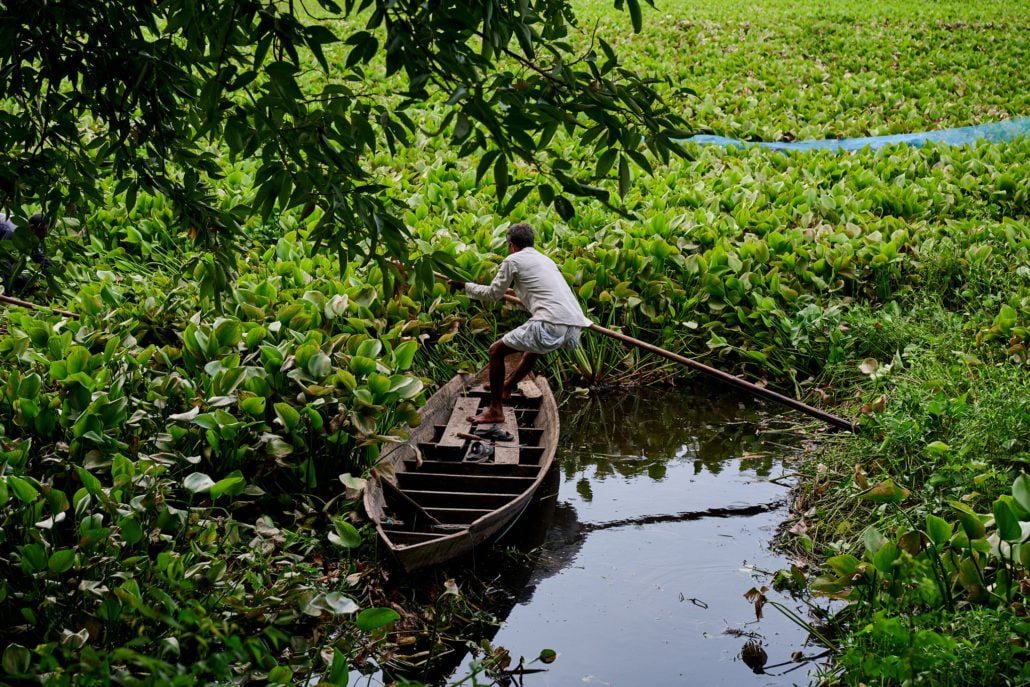
Floating farms are essentially “artificial islands” that rise and fall with the river’s tide. They are most popular in Barisal, Gopalganj and Pirojpur. Farmers create platforms out of water hyacinth, plant seeds on these rafts and move them into flooded areas. Nutrients are released into the crops as the raft decomposes, making this process effective in the long run.
Many villages rely on these buoyant rafts to keep their food supply stable during floods. Ultimately, the floating farms and gardens offer a hopeful solution to the food deprivation caused by extreme flooding.
More Floating Innovations
In some flood-prone regions, boats have been transformed into mobile health clinics, libraries and community centers that bring essential services directly to isolated populations.
Floating health facilities provide basic medical care to residents who might otherwise struggle to reach clinics during flood periods.
Floating libraries give children and adults access to books and learning materials, supporting literacy and educational development.
These services help reduce the barriers that flooding creates while ensuring that communities remain connected to critical resources. By bringing assistance to people rather than expecting travel through difficult conditions, floating technologies improve accessibility and strengthen community resilience.
A More Resilient Future for Bangladesh
As changing weather creates flood risks, floating technology offers a promising path forward for vulnerable communities. What began as local solutions has evolved into a broader model of climate adaptation, helping people maintain access to education, food production and essential services even when floodwaters rise.
Continued investment in floating schools, farms and community services could expand opportunities for thousands more families in flood-prone regions. These innovations not only help communities withstand environmental challenges but also support long-term goals related to poverty reduction, food security and sustainable development.
Bangladesh’s success demonstrates that effective climate solutions do not always require costly infrastructure. By combining local knowledge with practical innovation, communities are finding new ways to thrive in changing conditions. Continued support from NGOs like Shidhulai Swanirvar Sangstha, development organizations and government programs will play an important role in expanding these initiatives.
As other countries face increasing climate-related flooding, Bangladesh’s floating technologies may provide valuable lessons for building a more resilient future.
– Lottie Oldreive
Lottie is based in Cardiff, Wales and focuses on Technology and Solutions, and Celebs for The Borgen Project.
Photo: Flickr
