Wood-Burning Stoves in Mexico
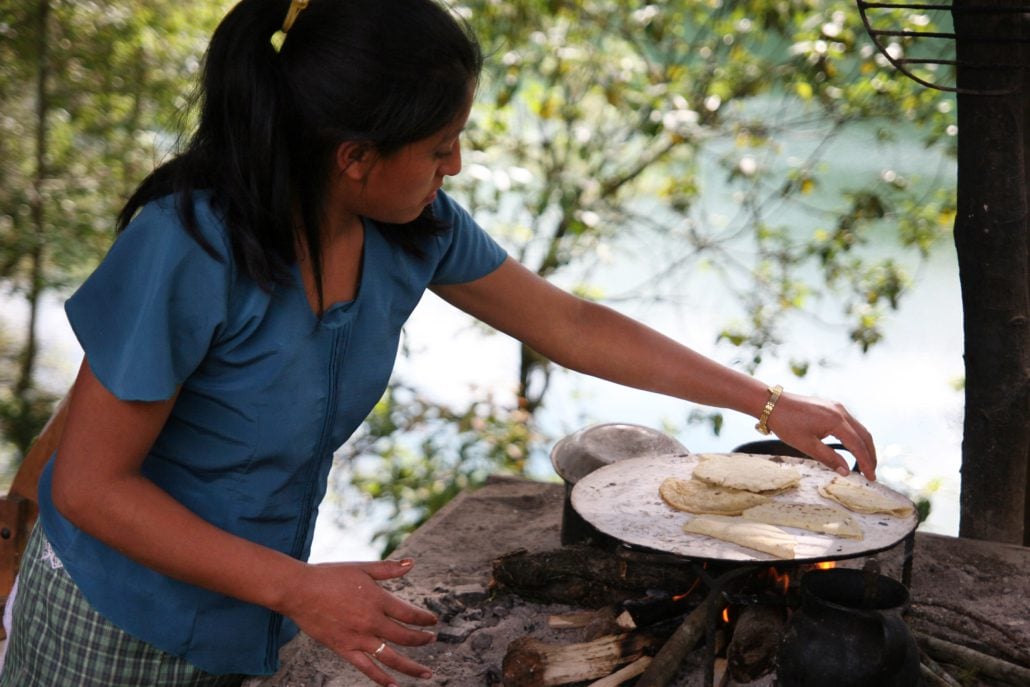
Many people in Mexico continue to cook meals over open fires or inefficient stoves using wood and other polluting fuels. In 2019, Gold Standard estimated that about 20% of the country’s population used firewood for cooking. New, more efficient wood-burning stoves in Mexico can reduce smoke exposure and firewood use while respecting local cooking traditions.
The Health Risks
Daily exposure to smoke from open fires can contribute to serious respiratory and cardiovascular illness, with women and children often facing the greatest exposure. Globally, the World Health Organization estimates that about 2.1 billion people cook using open fires or inefficient stoves fueled by polluting fuels, and household air pollution was responsible for an estimated 2.9 million deaths in 2021.
Energy Inefficiency and Deforestation
Open fires can also be energy inefficient, requiring families to purchase, harvest and transport more firewood. Where wood is harvested unsustainably, this can contribute to forest degradation and adds time and cost for households.
The Tlecuil-Alessia Stove
The Tlecuil-Alessia stove offers an efficient, smoke-reducing solution to this problem. Alessandro Mendoza-Galina, a permaculture expert, developed it in Malinalco with support from Fundación Comunitaria Malinalco. The traditional tlecuil hearth inspired the design and it uses an insulated combustion chamber, three comals and a fume extractor.
In deprived, rural areas, gas or electricity stoves are not a good solution due to lack of financial resources and infrastructure. The Tlecuil Stove still relies on the firewood families are accustomed to using, but its innovative design requires much less of it. The enhanced efficiency of the insulated combustion chamber reportedly reduces firewood consumption by 67%, allowing families to save time and money. Esther, a participant in the Tlecuil program, explained that thanks to the new technology, where her family used to have to make 10 trips for firewood, they now only need to make two. With smoke funneled out of the kitchen, the harmful side effects of smoke exposure are reduced too. A 2007 study of Patsari stoves in Michoacán found that average kitchen carbon monoxide levels fell by 66% and fine particulate matter levels by 67% after installation.
Community and Tradition
The Tlecuil program is community-focused. Workshops are in place for participants, allowing local women to come together and cooperate in the learning process. They learn how the oven functions, how to use it and its various health and environmental benefits. Next, with financial and operational support, families build their own Tlecuil in their home, meaning the oven is suited to their individual needs. Once the ovens have been built and the construction left to dry for 15 days, participants meet again to compare and share observations, techniques and food.
The program’s founder, Mendoza-Galina, is a strong believer in protecting tradition and indigenous customs. The ovens cater to centuries-old cooking techniques, allowing families to eat the same food, prepared the same way as before, but this time with less indoor smoke and lower firewood use.
The Tlecuil-Alessia approach combines efforts to reduce household smoke and firewood use with respect for local community and cooking traditions.
– Amelia Krone
Amelia is based in London and focuses on Technology and Solutions, and Global Health for The Borgen Project.
Photo: Flickr
