Updates on SDG 16 in Lebanon
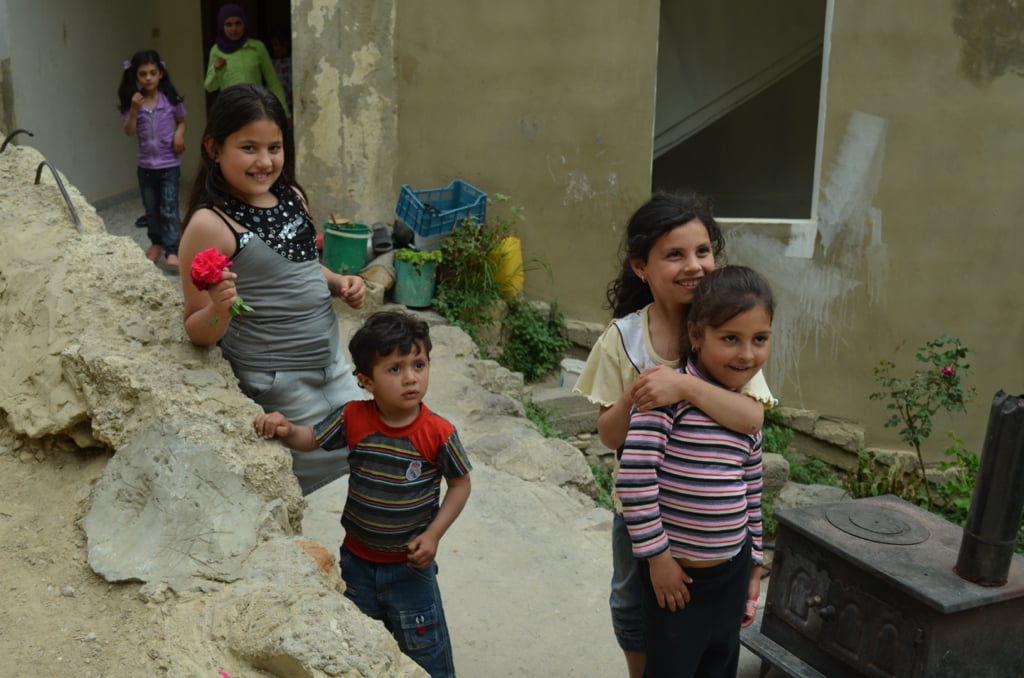
Since the escalation of hostilities on March 2, 2026, more than 1 million people have been displaced across Lebanon. As of March 27, more than 133,000 people are sheltering in more than 600 collective sites nationwide, according to UNDP. Here are some updates on SDG 16 in Lebanon.
SDG 16: Peace, Justice and Strong Institutions
SDG 16 is one of 17 Sustainable Development Goals that the United Nations developed to fulfill its 2030 Agenda. As Lebanon grapples with social, political and economic constraints, updates on SDG 16 arrive as the UN focuses collaboration efforts on developing and reforming the government’s public administration and civil service.
UN partners and teams have assisted in expanding institutional capacities for social stability, economic growth and conflict prevention. However, the efficiency of these programs has noticeably differed before and during conflict escalations in the South.
UN Programmatic Interventions
The UN has instituted 10 programmatic interventions responding to the threats to SDG 16 in Lebanon. Of these, Lebanon implemented two. In 2025, the United Nations Economic and Social Commission for Western Asia and the United Nations Development Programme supported a study that the Lebanese Office of the Minister of State for Administration Reform on “Reform Models and Practical Recommendations for Lebanon” conducted. Ending in June 2026, the study examined Lebanon’s fragmented governance context, including the formal and informal sectarian networks entrenched within the country’s political system. Its primary focuses included post-crises state building, digital transformation, performance management, transparency reforms and whole-of-government modernization.
UNDP’s Security and Justice project supports security and justice services for crisis-affected populations in Lebanon. The current project page lists it as ongoing through June 2027 and focuses on social stability, human rights and access to justice. UNDP reports that more than 260,000 people from 75 villages can benefit from police services aligned with community-policing standards. It also reports that four legal-aid helpdesks provided free legal services to more than 19,000 beneficiaries, 62% of whom are women, and that an inclusive justice forum was established to help stakeholders address challenges facing justice institutions.
Concerning the promotion of inclusivity and social justice, UNDP’s “Dealing With the Past: Memory for the Future” Phase II is an active reconciliation initiative running from 2022 to 2027. It aims to advocate for accountability on “dealing with the past,” coordinating the operation of regional, local, and national actors to understand and accept histories associated with the Lebanese context. Its objective is to prevent relapse into violence through education. As a result, 225 history teachers and 51 former fighters and youth have received training in mediation through education, bringing perspectives across sects to the public’s attention. The initiative succeeded in adding 50 documented stories to historical mappings of the Lebanese Civil War, an event largely shaping current Lebanese politics, and delivered six educational materials from this multifaceted approach.
Daybreak Over Mount Lebanon: Looking Forward
Despite ongoing conflict, the documented programs have expanded access to legal aid, strengthened local security services and supported reconciliation and education initiatives across Lebanon. However, continued conflict and displacement have disrupted several programs, creating challenges for the implementation and long-term sustainability of these efforts.
– Ghassan-Elias Zaitoun
Ghassan-Elias is based in Guelph, Ontario, Canada and focuses on Global Health and Politics for The Borgen Project.
Photo: Flickr
