The Fight Against Tuberculosis in Timor-Leste
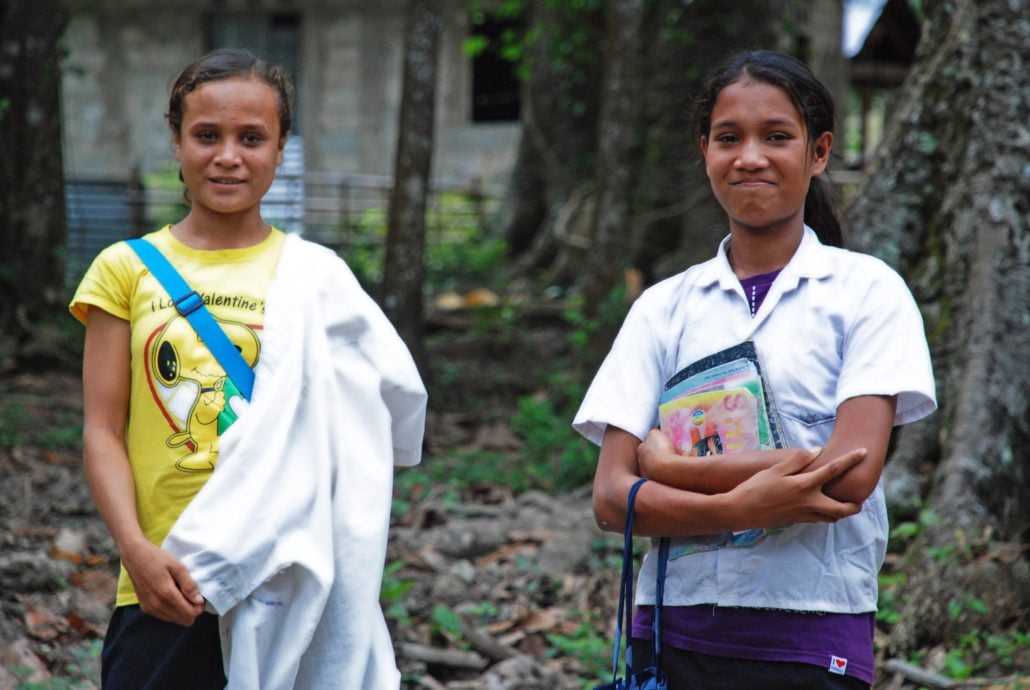
To much of the developed world, tuberculosis may seem like a distant threat. In 2024, however, the World Health Organization (WHO) estimated that 10.7 million people developed TB worldwide and 1.23 million died from the disease. The WHO South-East Asia Region accounted for 34% of global TB cases, making it central to efforts to reduce the disease burden. Recently, efforts have increased to combat tuberculosis worldwide.
Why Tuberculosis in Timor-Leste is So Prevalent
The circumstances facing this small Southeast Asian nation demonstrate the challenges surrounding tuberculosis in Timor-Leste.
Timor-Leste is a small, ethnically diverse country on the Malay Archipelago, about 400 kilometers north of Australia. Following the 1999 referendum that began its transition from Indonesian rule, Timor-Leste has struggled with extreme poverty, with an estimated 44% of the population living on less than three dollars a day.
When a person becomes seriously ill in Timor-Leste, location and income limit options. About 70% of the population lives in rural areas. That means in order to get to a hospital, a would-be patient must make a journey of several hours, most likely on foot. With a lack of paved roads and a steep, mountainous environment, travel can be taxing. Accounting for the intense heat of the dry season and the flash floods of the rainy season, the trip becomes almost impossible for an ill person to endure. For many Timor-Leste citizens, reaching a hospital when illness strikes is not a realistic option. These barriers help explain why access to tuberculosis diagnosis and treatment remains challenging in Timor-Leste.
Efforts to Address Health Care Access in Timor-Leste
Since the pandemic, a time when many nations became attuned to the state of their health care systems, some organizations implemented efforts to fix this issue in Timor-Leste. In 2020, for example, the IOM—a branch of the UN’s migration offices—developed a program to train health care workers in Timor-Leste to use new diagnostic technologies. The program aimed to strengthen tuberculosis diagnosis and build the skills of health care workers in Timor-Leste. In 2024, IOM reported its successes: they had trained six radiographers, 60 medical doctors, and three laboratory technicians to detect tuberculosis with sophisticated new technologies, as well as educating 700 health care workers on tuberculosis diagnostic guidelines, according to an article on their website. These figures represent improvement, but the fight will not end without help from allies abroad.
International Efforts Against Tuberculosis
Combatting tuberculosis in Timor-Leste requires support. By providing the resources necessary to make health care accessible, hundreds of lives can be saved every year. With this in mind, on June 11, 2026, Senators Jeanne Shaheen (New Hampshire) and Todd Young (Indiana) officially reintroduced the End Tuberculosis Now Act. The bipartisan bill would make tuberculosis elimination a U.S. foreign-assistance priority and strengthen coordination around research, diagnosis, treatment and prevention.
Senator Young stated: “Tuberculosis is preventable, treatable and curable, yet it continues to claim far too many lives around the world. The End Tuberculosis Now Act will strengthen efforts to expand access to diagnosis and treatment, support the development of new tools and vaccines and improve our ability to detect and respond to future infectious disease threats. By helping countries combat tuberculosis before it spreads further, we can save lives, strengthen global health security and better protect Americans from emerging infectious diseases.”
It remains to be seen whether Congress will pass the bill. The legislation is one example of international policy efforts aimed at reducing the global burden of tuberculosis.
– Madison Hoar
Madison is based in Birmingham, AL, USA and focuses on Global Health for The Borgen Project.
Photo: Flickr
