Mobile Libraries in India: How they Can Improve Literacy in Urban Slums
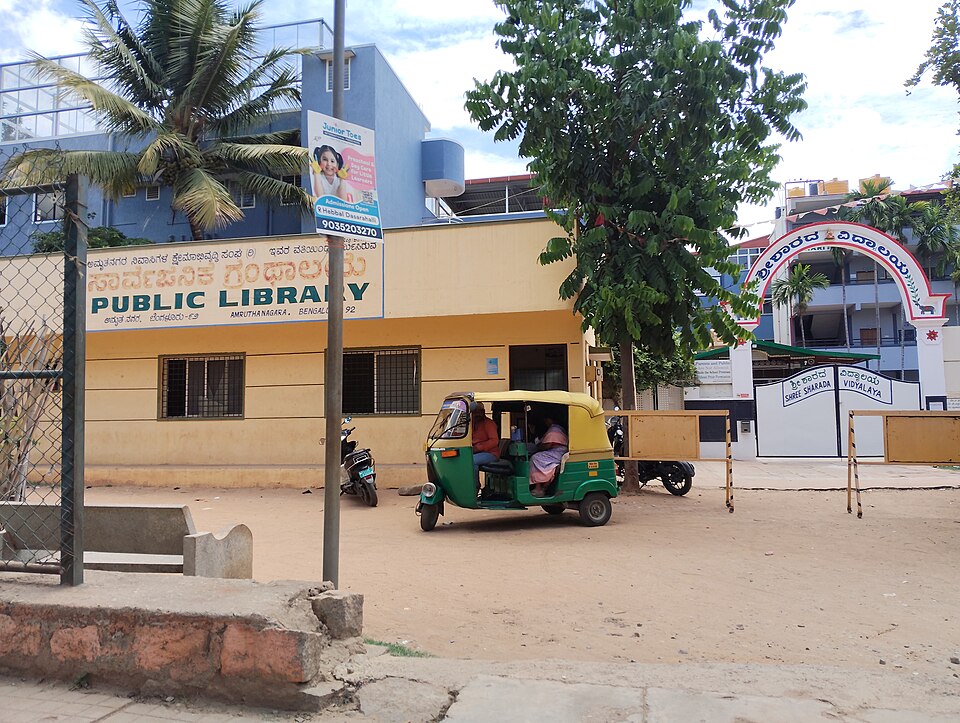
For children living in India’s urban slums, access to a book can be more than an opportunity to read. Literacy provides the foundation for continued education, employment and economic opportunities, making access to reading materials an important tool in the fight against poverty. In India, mobile libraries are bringing books directly to communities that may otherwise have limited access to reading materials. By using vehicles and portable collections to reach underserved areas, these initiatives make literacy resources more accessible to children outside of traditional educational settings.
India’s Learning Poverty Challenge
India has made significant progress in expanding access to education, but enrollment does not necessarily mean that children are developing foundational reading skills. According to the World Bank, when accounting for children who are out of school, 56% of children at late-primary age are not proficient in reading.
The Annual Status of Education Report (ASER) 2024 highlights similar challenges in foundational literacy, although its findings cited here specifically concern children attending government schools in rural India. Among Grade Three children in government schools, 23.4% could read a Grade Two level text in 2024, compared with 16.3% in 2022. While this represents significant improvement, the figures demonstrate that many children in rural India continue to struggle with basic reading skills.
These national and rural findings do not directly measure literacy among children living in urban slums, but they illustrate the broader challenges India faces in developing foundational reading skills. For children in underserved urban communities, access to books and other educational resources may also be limited, making community-based approaches to literacy particularly relevant.
Bringing Libraries to Children
Mobile libraries in India have provided one way of overcoming barriers that have resulted a lack of permanent library infrastructure. The Delhi Public Library, an autonomous organization under India’s Ministry of Culture, has operated mobile library services since 1953, with efforts continually increasing. The service currently uses four mobile vans across 73 areas of Delhi and has 4,275 registered mobile-library members.
The vans bring library services directly to communities with limited access to traditional library facilities. The Indian government has identified slums and resettlement colonies as places that can specifically benefit from mobile library services through its Ghar Ghar Dastak, Ghar Ghar Pustak initiative.
Mobile libraries can also provide materials in multiple languages. The Delhi Public Library’s collection includes books in Hindi, English, Urdu, Punjabi and other Indian languages. This allows mobile libraries in India to respond to the linguistic diversity of the communities they reach.
Bookwallah provides another example of how libraries can operate without relying entirely on permanent buildings, which can be difficult to establish in underserved communities. The organization runs permanent libraries in special schools and orphanages in India, while its portable “Magic Crate” libraries deliver books to locations including crisis shelters, hospitals and child-friendly police stations.
According to Bookwallah, its Magic Crate program has reached tens of thousands of children through first-level interventions. While the program is not specific to urban slums, the organization demonstrates how portable collections can provide books and literacy opportunities to children who face barriers to conventional libraries and education centers.
Literacy as a Tool for Poverty Reduction in Urban Slums
There is evidence that community-based and mobile library initiatives can support literacy among children in underserved communities. In Kolkata, the Little Literacy Library was established in two slum communities, Chetla Lock Gate and RG Kar, providing bilingual English and Bengali books to children ages five to 15.
The initiative was designed to address educational inequalities by bringing learning materials directly into communities where children had limited access to books. According to the organization, the project has reached 45 children across the two sites. Although the initiative is small-scale, it demonstrates how community-based literacy programs can bring reading materials directly to children living in underserved communities.
Wider research also supports the potential of mobile libraries as a literacy intervention, although this research is not specific to India or urban slums. A 2025 study involving 487 mobile-library participants, educators, facilitators and administrators found a statistically significant relationship between mobile library access and literacy improvement. Participants’ reading comprehension scores increased by 3.3 points, while mobile library use accounted for 46.4% of the variation in literacy improvement.
Together, these findings suggest that mobile libraries can do more than provide recreational reading. By bringing books, structured literacy activities and educational support directly into underserved communities, they help children develop the reading and comprehension skills needed to progress through education.
Looking Ahead
For children growing up in urban poverty, stronger literacy can create opportunities that extend beyond the classroom. Literacy can help children engage with further education, develop additional skills and eventually access better employment opportunities. In this way, mobile libraries in India offer a relatively low-cost approach to addressing one of the educational barriers associated with poverty.
While mobile libraries cannot solve educational inequality or poverty alone, bringing books directly into underserved urban communities can help ensure that a child’s access to learning is not determined solely by where they live. Expanding these initiatives alongside investment in schools, teachers and wider educational infrastructure could help more children develop the foundational literacy skills needed to build a pathway out of poverty.
– Amber Bannon
Amber is based in High Wycombe and focuses on Good News for The Borgen Project.
Photo: Wikimedia Commons
