How Conflict Is Affecting Education in Sudan
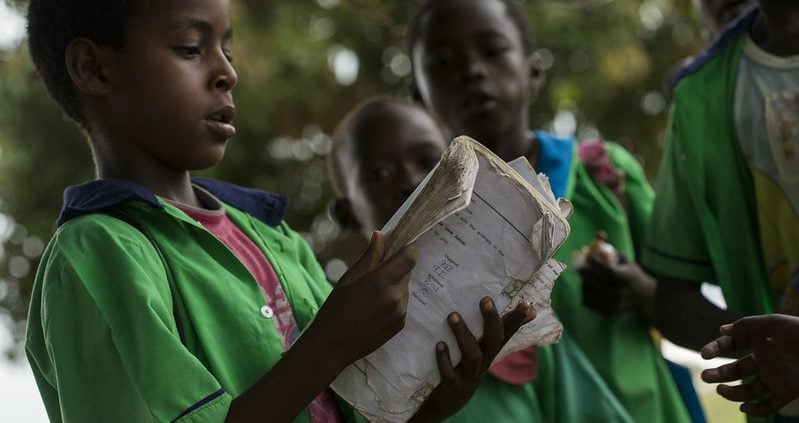 For many children, education in Sudan has become another casualty of the country’s ongoing conflict. Since fighting erupted in April 2023, millions of children have lost access to classrooms as schools have been damaged, closed or used for other purposes. According to the United Nations Educational, Scientific and Cultural Organization (UNESCO), Sudan is home to about 17 million school-age children. By August 2025, only about three million had returned to school, and fewer than one-third of schools had reopened. As the conflict continues, restoring access to education is essential not only for children’s learning but also for Sudan’s long-term recovery.
Education Challenges Before the Conflict
Even before the current conflict, education in Sudan faced significant challenges. UNESCO estimates that approximately 6.9 million children were already out of school before fighting began in April 2023, highlighting long-standing barriers to accessing education. Since then, the conflict has deepened these existing challenges by further disrupting schools and limiting learning opportunities for millions of children. What was already a struggling education system has become one of Sudan’s most urgent humanitarian concerns.
The consequences of the conflict continue to affect children across the country. According to the United Nations Children’s Fund (UNICEF), at least eight million children are currently out of school, while nearly half of Sudan’s school buildings are no longer functioning due to the ongoing violence. In regions such as Darfur and Kordofan, insecurity has made it increasingly difficult for children to access safe and consistent learning environments. As a result, many young people remain without the education and stability that schools can provide during times of crisis.
Emergency Education Support
While the challenges facing education in Sudan remain severe, international organizations are working to help children continue their education. Education Cannot Wait (ECW) supports emergency education programs that provide conflict-affected children with access to safe learning spaces, trained teachers and psychosocial support. Working alongside humanitarian partners, ECW aims to ensure that children who have been displaced or affected by violence can continue learning even throughout the ongoing crisis. These efforts help provide not only access to education but also a sense of stability and hope for children whose lives have been disrupted by conflict.
Alongside broader recovery efforts, targeted programs are helping children return to education. According to UNICEF, the Building Resilience to Improve Development and Growth in Education in Sudan (BRIDGES) program will support more than 328,000 conflict-affected children by restoring access to learning in some of Sudan’s hardest-hit communities. Launched in May 2026 by UNICEF and Save the Children, with support from the Global Partnership for Education, the initiative will also help reopen about 850 schools, support approximately 9,000 teachers and establish nearly 1,800 temporary learning spaces. The program aims to strengthen Sudan’s education system while ensuring that more children can safely continue their education.
Looking Ahead
Although rebuilding education in Sudan will take time, efforts are already underway to help children return to learning and strengthen the country’s education system. UNESCO’s Transitional Education Plan 2025–2027 provides a roadmap for reopening schools, supporting teachers and improving access to safe learning environments, but achieving these goals will require an estimated $580 million in funding and continued international cooperation. As Sudan works toward recovery, continued investment in education will be essential to ensure that millions of children have the opportunity to learn, rebuild their futures and contribute to the country’s long-term development.
– Aniya Akram
Aniya is based in Bradford, UK and focuses on Global Health and Politics for The Borgen Project.
Photo: Flickr
