How Coffee Cooperatives Reduce Poverty in Rwanda
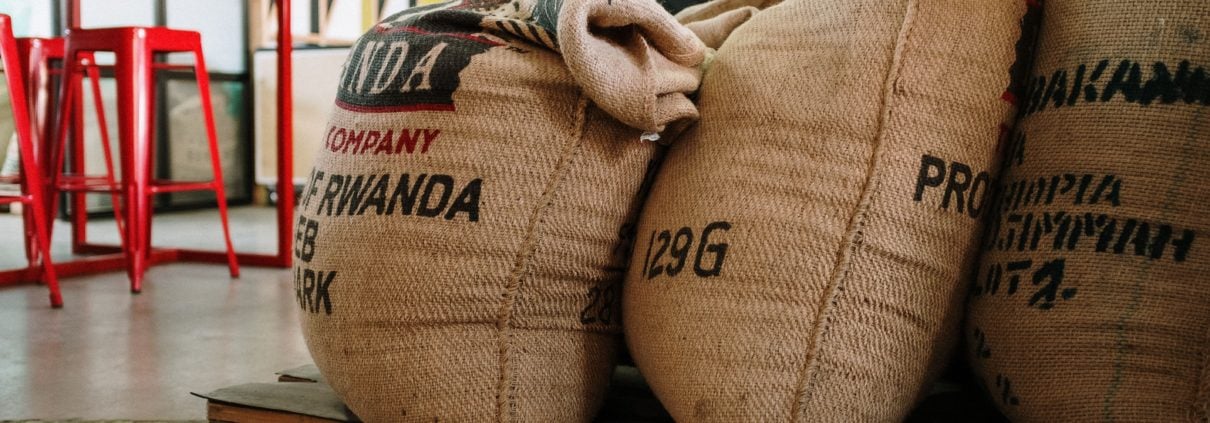 Coffee plays an important role in Rwanda’s economy and the livelihoods of rural families. The World Bank reports that 38.6% of Rwanda’s population lived below the international poverty line for lower-middle-income countries in 2023. Agriculture remains the country’s largest employer, making stable sources of farm income essential for reducing poverty. Coffee cooperatives in Rwanda are helping address this challenge by improving farmers’ incomes through training, stronger market access and higher-quality production.
Coffee is one of Rwanda’s most valuable agricultural exports and a major source of income for rural households. The National Agricultural Export Development Board (NAEB) estimates that approximately 400,000 smallholder farming families depend on coffee for their livelihoods. Beyond generating export revenue, the coffee sector supports thousands of jobs in farming, processing, transportation and trade while strengthening rural economies.
How Cooperatives Support Farmers
Coffee cooperatives help smallholder farmers improve both the quality and value of their harvests. Many cooperatives provide agricultural training, access to improved seedlings and assistance with processing coffee beans to meet international quality standards. They also allow farmers to combine production, giving them greater bargaining power when selling to buyers in specialty coffee markets.
By working together, cooperative members can access opportunities that often remain out of reach for individual farmers. Fulgence Sebazungu, a coffee farmer in Ngororero District and chair of the Rwanda Coffee Cooperatives Federation, saw his own production rise from 4.8 metric tons in 2024 to about six metric tons in 2025, harvested from 1.2 hectares. He attributed the improvement to favorable weather, improved farming practices and better prices, along with recent policy changes that removed zoning restrictions limiting where farmers could sell their coffee. This collaborative approach helps increase household incomes while creating more stable sources of employment throughout rural communities.
Economic Opportunities Reduce Poverty in Rwanda
Rwanda’s investment in its coffee sector has produced measurable results. According to NAEB, Rwanda exported nearly 23,860 metric tons of green coffee in 2025, generating a record $148.6 million in export revenue, a 65% increase over the previous year. Farmers also benefited from higher earnings, receiving an average of RWF 900 per kilogram of coffee cherries, well above the government’s minimum farm-gate price of RWF 600 per kilogram.
Growing export revenues create opportunities that extend beyond coffee farms. Higher incomes allow many families to invest in education, health care and improved housing while supporting local businesses that depend on agricultural activity.
Looking Ahead
Coffee cooperatives continue to demonstrate how agriculture can reduce poverty in Rwanda. By helping farmers improve quality, reach international markets and earn better prices, these organizations strengthen both household incomes and Rwanda’s rural economy. As Rwanda continues investing in sustainable agriculture and cooperative development, its coffee sector provides an example of how smallholder farmers can build more resilient communities while creating lasting economic opportunities.
– Violette Bardouil
Violette is based in Paris, France and focuses on Good News for The Borgen Project.
Photo: Pexels
