How Solar Power in China is Reducing Poverty
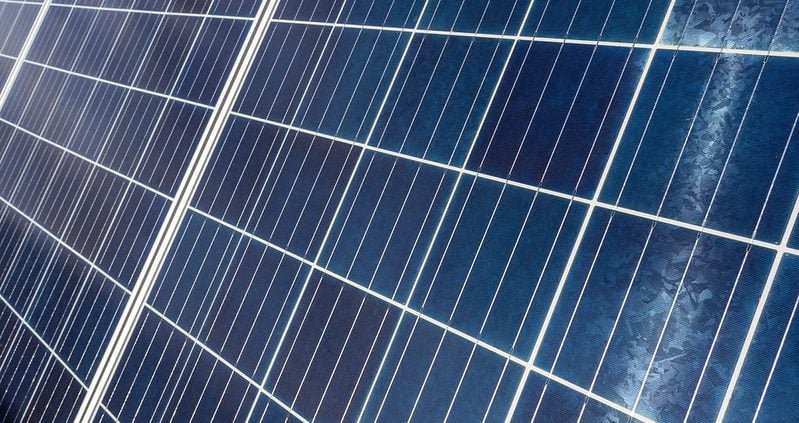 Since 1978, China has successfully lifted 750 million people out of poverty through a combination of strategies, including market reforms in agricultural goods, increased job opportunities and individualized plans for families living in poverty. One of these individualized plans involved the government providing funds to struggling households to install solar panels for personal electricity generation. This article will explore how solar power is helping reduce poverty in China.
Formation of the Strategy
Rural Tibetan areas of China, such as Qinghai, are actively contributing new innovations to help struggling villages out of poverty. Although China achieved Sustainable Development Goal (SDG) 1 in 2020, the progress was long and complex. In 2014, the Chinese government and state energy regulators introduced a nationwide plan to help alleviate rural poverty using distributed solar photovoltaic (PV) systems. The Solar Energy for Poverty Alleviation Programme aimed to add more than 10 gigawatts of capacity and benefit more than 2 million households across about 35,000 villages nationwide by 2020.
Initially, China focused on exporting solar PV panels to European countries such as Germany and Spain. However, due to reasons like the financial crisis in 2008, many Chinese PV manufacturing companies saw a large decline in exported PV panels. Therefore, the government turned its focus to distributing PV panels for domestic use. Apart from fulfilling domestic needs, the rest of the solar power in China is generated to be sold for a stable income.
The Strategy in Use
Qinghai was one of the first provinces in China to implement the strategy. The location was chosen for its large number of people suffering from poverty and suitable weather conditions. In 2017, there were 330,000 people in Tibetan areas who lived below the poverty line, making it a major area for the government to support. The area has, on average, 275 to 330 days with more than six hours of sunshine each year, making the location well-suited for building PV panels.
Separately, in the years before the 2014 program, an earlier initiative — the Renewable Energy Development Project, which ran from 2002 to 2007 — sold more than 400,000 solar home systems, helping an estimated 2 million individuals in northwestern China step out of poverty.
Challenges and Solutions
Although this plan has brought many successes and profits for many families, some families encounter challenges. Locations where the project takes place are large farmland areas with a generous amount of space. The large amount of space PV panels have taken threatens smallholder agriculture. This interferes with the local agricultural system and the daily lives of some residents.
Moreover, the geographical locations are a key factor in the project being successful. This creates an uneven regional outcome between different areas. For instance, Tibetan areas generally have higher altitudes; thus, PV panels built in these areas tend to produce more energy. On the contrary, Shandong province is benefiting less from the project. The project was initiated with the plan to have an “agrivoltaic” approach to combining agriculture and solar power in China. However, in 2020, many farmers stated that a copious amount of land is being used for PV panels, and that the agriculture aspect of the project is being neglected. There are numerous shacks used for PV panels, taking up space for crops.
Despite these challenges, the Chinese government actively seeks solutions. The government has focused on nature-based solutions and creating theoretical plans to minimize land used for PV panels. Further plans focused on considering food security as an important factor in developing new technology such as PV panels to help alleviate poverty. With a heavy focus on ensuring the business of locals can function as usual and supporting low-income families out of poverty, solar power in China can be an important method in helping suffering regions out of poverty.
– Jiayu Wang
Jiayu is based in Beijing, China and focuses on Good News, Global Health for The Borgen Project.
Photo: Flickr
