Diseases Impacting Venezuela
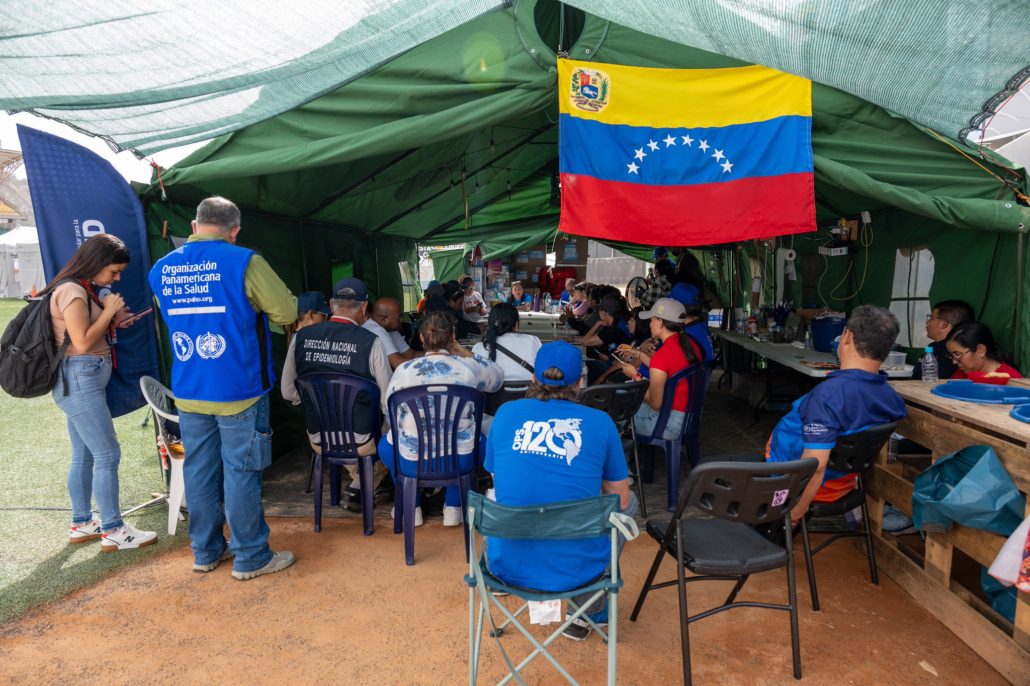 Outbreaks of infectious diseases are the primary health challenges impacting the population and shelter infrastructure in Venezuela. A June 24, 2026, 7.2 magnitude earthquake along Venezuela’s northern coast affected people significantly, along with a subsequent 7.5 magnitude earthquake that killed 32 people, injured 700 people and devastated areas as distant as La Guaira state 160 km east. The earthquakes impacted 1.7 million buildings resulting in widespread power outages across several states.
Of Venezuela’s 31.7 million population, 20 million (63.1%) already lived in poverty, population susceptibility to contracting infectious diseases was high due to no government epidemiological bulletin publications since 2016 and early economic loss predictions outlines costs of 7% of Venezuela’s $111 billion GDP. Structural losses immediately exacerbated the issue of infectious diseases impacting Venezuelan earthquake victims through eliminating their access to water, sanitation and hygiene (WASH) facilities, healthcare workers, hospitals, adequate medical care and nutritious food. Increasing earthquake victims’ susceptibility to infectious diseases such as measles, dengue and yellow fever, malaria, diarrhea and skin infections.
Concerns
- Infectious Disease Treatment Challenges: Medical care services have been sparse due to the impact of the earthquakes on regional healthcare facilities and the fact that they were already 37% short of essential medicines following years of poor economic investment. A Pan-American Healthcare Association (PAHO) analysis showed that more than 50 hospitals in seven states are still functioning but that many facilities experienced critical structural damage. Additionally, the earthquakes resulted in the evacuation of three hospitals, the damaging of 20 primary care units and overcrowding in healthcare facilities. Corpse remains have also led to disease outbreaks and contamination risks.
- Rising Fatality and Victim Rates: The Los Angeles (LA) Times reported that Venezuela’s health system, which was already weakened by an eight-year economic depression leading to the departure of more than half of the nation’s doctors and other skilled health professionals, had, by July 11, 2026, helped elevate the earthquake’s death toll to 3,800, with 16,700 people injured.
- Infrastructure Damage: The earthquake destruction zone now presents economic challenges at an estimated $37 billion in losses, including $24 billion in housing and healthcare damage, $13 billion worth of mostly road and energy generation infrastructure damage, meaning 650,000 people will need humanitarian assistance with approximately 17,000 left homeless. Economic disruption means costs will rise further and shelter and healthcare reconstruction efforts become heavily constrained by a pre-existing weak economy.
Solutions
- Imminent Infectious Disease Treatment: UN subsidiaries have sent 68 tonnes of medical, WASH and household supplies, alongside contributing primary healthcare services through distributing hygiene kits and further sanitation infrastructure fueled by $306 million worth of funding from The Humanitarian Response Plan for Venezuela and private-sector donations.
- Managing Fatality and Victim Rates: PAHO has presently recovered 6,400 people by concentrating on early recovery, mobilizing emergency specialist expertise, providing health services such as sanitary post-mortem care, diagnostic imaging and immunizations, alongside pleas for a $24 million emergency fund to enable epidemiological surveillance in the earthquake destruction zone.
- Remedying Regional Infrastructure Damage: La Guaira state sport complexes are providing their facilities as temporary logistics hubs for the storing of health, water and food aid. Their athletic facilities also offer shelter for thousands of displaced people. The United Nations High Commissioner for Refugees (UNHCR) is trying to sustain infrastructure advancements, “seeking $14.85 million to support up to 30, 000 people with shelter and essential aid over the next six months.”
Looking Ahead
June 2026 publications painted a grave picture of what presently, and in the future lay ahead for Venezuela, its pre-earthquake impoverished population of 20 million and its healthcare services. Earthquake destruction zone infectious disease challenges clearly reside, yet by both national and international aid recognizing this issue, prompt economic, shelter and medical relief has advanced future stability against the multitude of current factors that encourage the problem of infectious diseases impacting Venezuela.
– Oliver Jones
Oliver is based in Cheshire, UK and focuses on Business and Global Health for The Borgen Project.
Photo: Flickr
