Alleviating Poverty Through Criminal Justice Reform in Uganda
 For many low-income households, a single encounter with the legal system can be a financially destructive force. While often viewed through a human rights lens, criminal justice reform in Uganda is a critical component of national poverty alleviation. By trapping vulnerable citizens in cycles of debt and removing primary earners from the workforce, the current justice system unintentionally bars economic mobility.
The Poverty Trap
According to the World Prison Brief, 79,698 people are imprisoned in Uganda. Approximately 46% are pre-trial detainees, revealing a massive hidden tax on the nation’s poorest families. If an individual cannot afford legal representation or bail, they are held in pre-trial detention for months, or even years. If the individual is a primary wage earner, their dependents then lose their primary income, guiding them further into poverty.
The financial instability of the poor is exacerbated by the application of Section 40 of the Civil Procedure Act. While the law intends for civil imprisonment to be a last resort for those who have the money but refuse to pay, in practice, lower courts often jail people simply for being unable to pay their debts. This policy carries a paradox: an individual cannot work because they do not have the means to pay, but they are unable to make money due to the inability to work. This ensures that the debt is never repaid, and the individual is trapped in a cycle of poverty. The Uganda Prisons Service reported that civil debtors increased by 13.3% in July 2025, rising from 581 to 658. Chapter Four Uganda claims this rushed sentencing violates international law and strengthens cycles of poverty.
Penal Reform International
Fortunately, Penal Reform International (PRI) is a non-governmental organization working tirelessly to enact criminal justice reform in Uganda. The group was founded in 1989 by a collection of London-based human rights activists, all outraged about the growing popularity of the death penalty and systemic discrimination. Since its inception, PRI has impacted more than 90 countries and notably collaborated with the U.N. to create the United Nations Standard Minimum Rules for the Treatment of Prisoners, otherwise known as the Nelson Mandela Rules. The organization utilizes global advocacy and local cooperation to dismantle unequal prison structures like cash bail that trap low-income households into inescapable cycles of poverty.
In 2024, PRI’s initiatives directly protected the economic stability of thousands:
- Alternatives to Imprisonment: By negotiating non-custodial sentences for 289 individuals, PRI kept those citizens in the workforce and allowed them to continue supporting their families and contributing to the local economy.
- Professional Training: Through mediation training for 98 police officers and 81 prosecutors, PRI actively encourages officials to utilize non-custodial alternatives that keep individuals as part of the community and not behind bars.
Incarcerated Women in Uganda
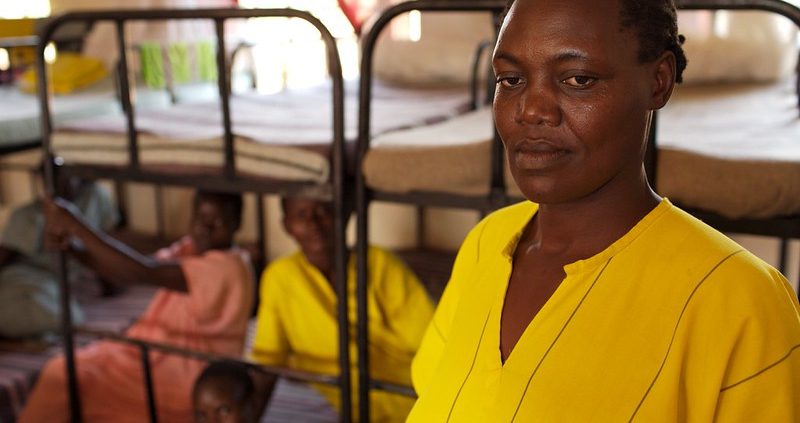
The economic impact of the justice system is disproportionately felt by women. Research by PRI in 2015 showed that 76% of female prisoners in Uganda identify as poor, and 32% never received formal education.
A common barrier to rehabilitation is a lack of employable skills; thus, PRI offers vocational training to foster financial independence post-release. In 2024, 45 women at Fort Portal Women’s Prison participated in carpentry and culinary arts classes to build valuable experience. Moreover, entrepreneurship training was offered to women in Jinja Prison, a newly innovative kind of criminal justice reform. Start-up packs, which contained seed funding, were handed out to participants who would soon return home. In total, 101 women have received entrepreneurship training and start-up packs since the program’s inception in 2021. In 2024, 60% of participants received formal business certification. Penal Reform International has demonstrated that when the justice system prioritizes rehabilitation over incarceration, it can create building blocks for a sustainable, poverty-free future.
Looking Ahead
These initiatives foster hope for the future of criminal justice reform. By equipping individuals with alternatives to incarceration and employable skills, Penal Reform International directly tackles the root causes of poverty. The tangible results of these efforts, which affect hundreds of lives, demonstrate a reformed criminal justice system that can encourage economic empowerment. In this way, the building blocks for a sustainable future have been placed for countless people across Uganda.
– Julia Sanders
Julia is based in Fitchburg, WI, USA and focuses on Good News and Global Health for The Borgen Project.
Photo: Flickr
