Traditional Ukrainian Weavers Combat Poverty Amidst War
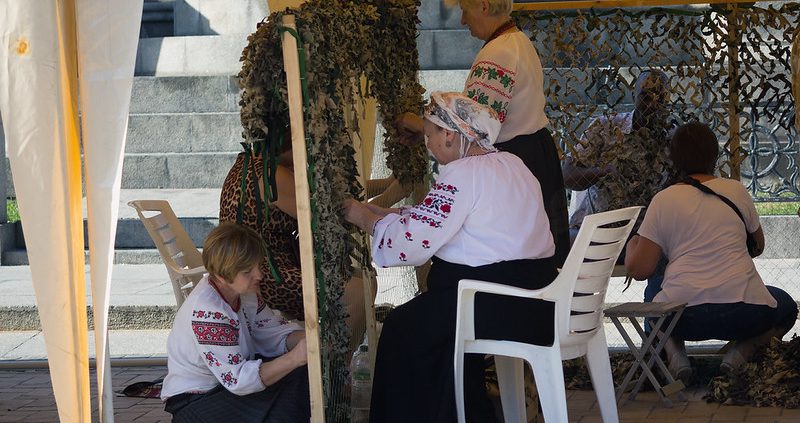 Since 2022, the Russo-Ukrainian War has devastated the Ukrainian economy. According to the World Bank, the Gini coefficient, a widely used measure of income inequality, rose from 0.41 in 2023 to 0.50 in 2025, driven primarily by shifts in pensions and wages, the two most common forms of household income. In addition to the widening income gap, about one-quarter of Ukrainian households now include at least one member who is an internally displaced person (IDP), a veteran, or someone with a disability due to Russia’s invasion.
Rising Poverty Amid War
A staggering number of Ukrainians have been disabled or displaced by Russia’s invasion. This, combined with the increasing household income inequality rate, has left Ukraine in a more severe state of poverty since the start of the war. World Bank microsimulation-based estimates indicate that poverty rates in 2025 had doubled since 2021, reaching an estimated 41.6% in 2025, a considerable increase from 37.0% in 2024. A notable percentage of households living beneath the poverty line include members from increased risk groups, such as young children, the elderly, and those permanently disabled by Russia’s invasion. About 30% of households with children under age 6 are in the bottom income quintile, a statistic indicating a general trend that leaves the most vulnerable populations of Ukrainians and their families at heightened risk of poverty, starvation, and death.
Traditional Ukrainian Weavers
One key factor contributing to the disproportionate poverty of households with vulnerable members is their ability to participate in Ukraine’s wartime labor market. Ukrainian women have identified one key means of revenue that allows them to remain close to their families while simultaneously strengthening the bonds they hold with their culture, community, and country. Centuries-old Ukrainian textile crafts such as weaving have given families a way to keep their ethnic traditions alive and support themselves during this time of hardship.
One pillar of Ukrainian textile art is Vyshyvanka, the traditional embroidery adorning hand-woven shirts. Its origins can be traced back to the early medieval era, meaning the practice is at least 10 centuries old. Vyshyvanka has blended spiritual, cultural, artistic, and practical elements for as long as it has existed. Slavic historians at the University of Kansas describe Vyshyvanka as functioning like “a second skin,” believed by Ukrainians to offer protection from misfortune. The spiritual protection offered by Vyshyvanka and, relatedly, the link it provides Ukrainians to their ancestors and cultural history is still a powerful force of resilience to this day.
Another prominent Ukrainian textile art, known as Vybiyka, uses natural paints and carved wooden block stamps to apply traditional ornamental patterns to goods and clothing. Vybiyka also dates back to the 11th century. The art form has historically used wooden stamps carved from pear or linden wood, which were used to print plant dyes onto shirts woven from hemp. Since its inception, Vybiyka has been tightly interwoven with cultural and social significance. According to Histrov, a traditional Ukrainian clothing brand, printed fabrics in rural Ukrainian communities carried deep meaning, serving as festive dress, a symbol of dignity, and “a mirror of the inner self.”
A Weaver’s Perspective
The Borgen Project contacted Yuliia Riabchun, a woman living in Kyiv, Ukraine, who runs the Etsy page “HeritageBloomGifts.” Riabchun told The Borgen Project that traditional Ukrainian textiles are “much more than just decorative items,” explaining that each piece carries a story and preserves a craft passed down through generations. She said she is especially drawn to how each pattern, color, and technique connects people to their family and cultural roots, and that traditional Ukrainian weavers are safeguarding an important part of Ukraine’s cultural heritage for future generations.
Ukraine’s Etsy Success
For over a decade, Ukrainian artists have dominated the global marketplace on Etsy. According to Koalanda, an Etsy statistics tracker, Ukraine boasts north of 34,500 stores today, despite being in the midst of ongoing conflict. Total sales for these stores amount to over 39 million, meaning that each store has brought in an average of 6,600 sales. Other top-selling countries, including the U.S., Canada, and Germany, average about 500 sales per shop. These considerable sales margins can be attributed to the centuries-long traditions upheld by traditional Ukrainian weavers and artisans, as well as strong demand in the West for authentic Ukrainian handmade goods.
Ukrainian Etsy stores additionally host over double the listings per capita of competitor countries such as Spain and Italy. Etsy sales provide better pay and more work flexibility given favorable currency conversion for international sales. Considering Ukraine boasts the highest sales-to-store ratio globally, it can be estimated that the country brings in tens of millions annually from Etsy revenue alone.
Support From Etsy and Nonprofits
The platform itself has made efforts to alleviate some of the strain put on Ukrainian sellers by the ongoing war with Russia. Etsy waived fees for all Ukrainian stores across its three platforms, which include Depop and Reverb, amounting to approximately $4 million. In addition, the website has maintained a curated list of Ukrainian sellers since early 2022 in an effort to increase traffic and revenue in this time of continued and escalating conflict. Moreover, organizations like the RPCV Alliance for Ukraine provide mini-grants and sewing and weaving equipment to help IDPs and refugees acquire new textile skills that translate into sustainable careers. The RPCV was founded in 2018 and serves as a country affiliate group to the National Peace Corps Association (NPCA). By providing these grants, the RPCV Alliance for Ukraine empowers Ukrainians to practice, share, and monetize one of their most sacred cultural arts.
Looking Ahead
Numerous platforms, including the Goodness Exchange, report that traditional crafts and weaving have helped the Ukrainian people decrease their risk of poverty. While Etsy may be an unexpected venue for preserving cultural history, it has become an important part of many Ukrainian families’ livelihoods and a way of telling the story of their culture. The recent uptick in traditional Ukrainian weavers selling and sharing their art online through Etsy serves a double function: to soften the economic burden presented by Russia’s ongoing invasion and to keep traditional Ukrainian culture alive and strong.
– Natalie Naylor
Natalie is based in New York, NY, USA and focuses on Good News for The Borgen Project.
Photo: Flickr
