How Mutual Aid in Gaza is Helping Combat Famine
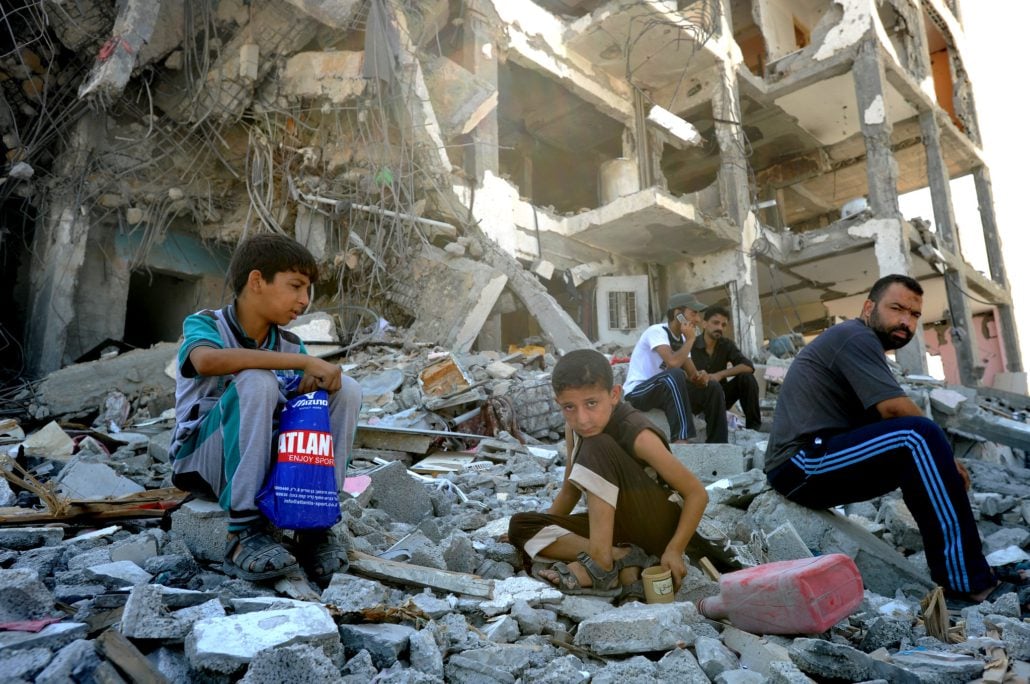
After three years of conflict, families in Gaza continue to face severe difficulties accessing food, clean water and other necessities. The Integrated Food Security Phase Classification (IPC) reported that more than 1.2 million people, or 59% of the population, faced crisis-level or worse acute food insecurity between mid-April and the end of June 2026. It projected that more than 1.4 million people could face those conditions between July and December 2026. Although increased assistance has improved conditions since late 2025, the gains remain fragile.
Alongside established humanitarian agencies, grassroots mutual aid groups are helping families meet immediate needs. Reviving Gaza and Zahrat Alhanun Mutual Aid are two examples of community-led efforts to provide food, water and other essentials.
What is Mutual Aid?
Mutual aid describes people organizing directly to meet shared needs, often through local relationships and volunteer networks. In emergencies, this can mean identifying households that lack essentials, raising money and arranging for supplies to reach those households. Mutual aid is not a substitute for large-scale humanitarian access, but it can complement broader relief efforts by drawing on community knowledge.
Reviving Gaza
Reviving Gaza is a grassroots initiative associated with Palestinian activist Ghassan Ghaben and volunteers working in Gaza. Its fundraising campaign describes efforts to deliver drinking water, hot meals and food parcels to displaced families, including those in camps not consistently reached by other aid providers.
The campaign explains how donations can support specific needs. It lists $5 as an illustrative cost for a hot meal and $300 for a truck carrying approximately 4,000 liters of water. Those amounts are fundraising examples, not independently audited delivery totals. Another fundraiser for the initiative describes an ambition to distribute hundreds of thousands of liters of clean drinking water.
The organization’s work has also been discussed outside its own fundraising pages. Ghaben spoke about Reviving Gaza during an October 2024 University of Florence event on the water crisis in Palestine. The project illustrates how volunteers with close ties to affected communities can help direct donations toward immediate needs.
Zahrat Alhanun Mutual Aid
Another initiative is Zahrat Alhanun Mutual Aid (ZAMA), a volunteer collective of Massachusetts Institute of Technology students and alumni working with students, teachers, medical professionals and community contacts in Gaza. The group says it has supported families and students since January 2025.
According to ZAMA, its partners in Gaza identify people needing assistance and arrange direct support. The group prioritizes babies, older adults, people with disabilities and those who are ill. The needs it lists include food, infant formula, diapers, blankets, clothing, tents, tarps and medical or educational supplies.
ZAMA says its volunteer team retains no portion of donations and works through a U.S.-registered fiscal sponsor. These are the organization’s own descriptions of its operating model; independently verified totals for the article’s previously reported Ramadan meal initiative were not available.
Grassroots Aid and the Wider Humanitarian Response
Both groups show how community-led fundraising can respond to urgent household needs. Their work takes place against a much larger humanitarian challenge. The British Red Cross reported in October 2026 that access restrictions, shortages and widespread unemployment continued to prevent many families from obtaining sufficient food, despite some improvement in aid deliveries.
Mutual aid can help individual households obtain food, water and shelter materials, but it cannot by itself resolve the scale of Gaza’s food insecurity. Sustained humanitarian access, functioning markets and long-term recovery remain essential. In the meantime, groups such as Reviving Gaza and ZAMA demonstrate the practical value of community connections and volunteer-led assistance.
– Lisa Jane Bryant
Lisa is based in Glasgow, Scotland and focuses on Good News and Global Health for The Borgen Project.
Photo: Flickr
