How Digital Classrooms Are Expanding Education in Rwanda
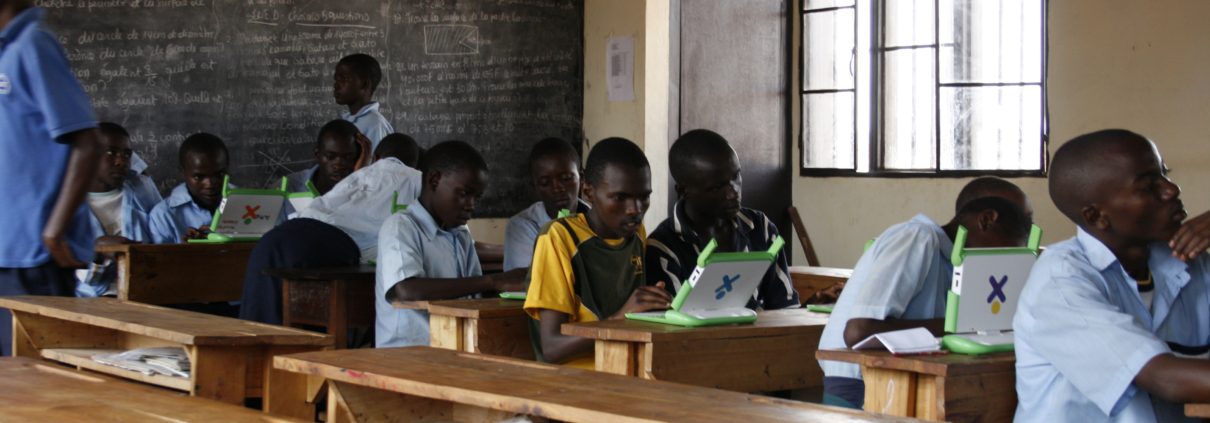 Over the past two decades, education has become a national priority in Rwanda, with investments in technology and the expansion of access to digital learning platforms. Through government-led reforms to increase classroom enrollment and prepare students for a progressively technology-driven world, Rwanda aims to reduce barriers to education and equip students with the necessary skills for future employment opportunities and stimulate economic growth.
According to the United Nations Development Programme’s (UNDP) 2024 Human Development Index, over 38% of Rwandans live below the national poverty line, and only 11.4 years of schooling are expected for them. Although challenges remain, including limited internet access and training for teachers, digital classrooms are facilitating modernized instruction in schools and creating new opportunities for students. As Rwanda continues to embrace educational innovation, these investments demonstrate how technology can support long-term poverty reduction and sustainable development.
The Amelioration of Education in Rwanda
Following the 1994 genocide against the Tutsi, an ethnic minority group in Rwanda and Burundi, Rwanda rebuilt many of its public institutions, including its education system. Over the past three decades, education has become a cornerstone of the country’s recovery and long-term development strategy.
Since then, the government has introduced policies to increase school enrollment, improve teaching quality and expand access to learning opportunities across the country. According to the Ministry of Education, Rwanda’s Education Sector Strategic Plan (ESSP) prioritizes equitable access to quality education to prepare students for the country’s long-term economic development.
The Smart Rwanda Master Plan identifies technology as a crucial component, with the government’s objective of transforming Rwanda into a knowledge-based economy by expanding information and communication technology (ICT) across public services, including education. Officials recognize digital literacy as an essential skill for higher education and the contemporary workforce, while simultaneously supporting the country’s primary poverty reduction objectives.
Digital Classrooms
Digital classrooms are helping improve education in Rwanda by giving students greater access to interactive learning resources. Rwanda’s commitment to digital learning gained international attention through the One Laptop per Child (OLPC) initiative, which launched in 2009 and has distributed more than 274,000 low-cost laptops to 1,618 primary schools. The program introduced students to interactive digital learning and coding. Although the country’s digital education strategy has since expanded beyond OLPC, the initiative laid the foundation for broader investments in educational technology. The program now reaches approximately 67% of Rwanda’s primary schools as they continue to integrate computers, tablets and internet-connected learning platforms into classrooms, helping students develop the digital and STEM skills needed for higher education and an increasingly technology-driven workforce.
The government has partnered with UNICEF, the World Bank and the Global Partnership for Education (GPE) to strengthen digital infrastructure, expand internet connectivity and train more than 30,000 pre-primary through Grade 3 teachers in digital literacy and technology-based instruction. According to Rwanda’s Education Sector Strategic Plan, these partnerships support the country’s long-term vision of building an inclusive, high-quality education system that equips students with the knowledge and digital skills needed for future employment, economic opportunity and sustainable national development. Greater access to digital education gives students from rural communities and low-income households greater opportunities to pursue higher education, helping break cycles of intergenerational poverty.
New Opportunities
Although challenges remain, including inconsistent internet access in some rural areas and the continued need for teacher training, Rwanda continues to expand digital learning through sustained public investment and international partnerships. These efforts demonstrate how technology can improve educational outcomes while creating new opportunities for young people to participate in the country’s growing digital economy.
Rwanda’s economy has experienced steady growth, with the World Bank projecting GDP growth of 9.4% in 2025, up from 7.4% in 2024. According to the International Labour Organization (ILO), Rwanda has emerged as one of Africa’s leading digital economies by embracing digitalization to expand employment opportunities, improve public services and drive economic growth. Demand for skilled workers continues to increase across finance, health care, agriculture, construction and ICT, creating career opportunities ranging from software engineering to risk management.
Global Partnerships
Rwanda’s digital transformation in education is largely driven by collaborations between the government and international partners. The Ministry of Education has collaborated with various organizations to enhance internet connectivity, improve school infrastructure and strengthen teacher training. These efforts aim to seamlessly integrate technology into daily learning while ensuring educators are proficient in effectively utilizing digital tools.
In 2024, the GPE approved a $31.29 million System Transformation Grant to strengthen foundational learning for the next four years. From 2022 to 2027, the World Bank is cofinancing a $30 million Multiplier Grant with GPE to improve digital infrastructure, teacher training and increase student retention. UNICEF also continues to expand digital learning opportunities and promote inclusive education for children nationwide. Together, these investments have helped Rwanda build one of Africa’s most robust education systems, contributing to a 95.8% primary enrollment rate.
The Future of Education in Rwanda
Education in Rwanda continues to evolve alongside the country’s broader vision for economic development and digital innovation. Over the past decade, Rwanda has built more than 1,100 schools and more than 22,000 classrooms. The number of smart classrooms has also increased from 726 in 2017 to more than 1,300 in 2026.
According to the International Trade Administration, Rwanda’s economy has grown significantly since 2016, with an estimated Gross Domestic Product (GDP) of $14.3 billion, making it one of Africa’s fastest-growing markets.
Maintaining progress in education and the economy requires continued investments in equitable access to digital learning and occupational advancements. By continuing to prioritize innovation and inclusive education, Rwanda can further strengthen its workforce, promote sustainable economic growth and create lasting pathways out of poverty for future generations.
– Ashley Belling
Ashley is based in Chicago, IL, USA and focuses on Good News, Technology and Solutions for The Borgen Project.
Photo: Flickr
