3 Notable USAID Programs in Mongolia
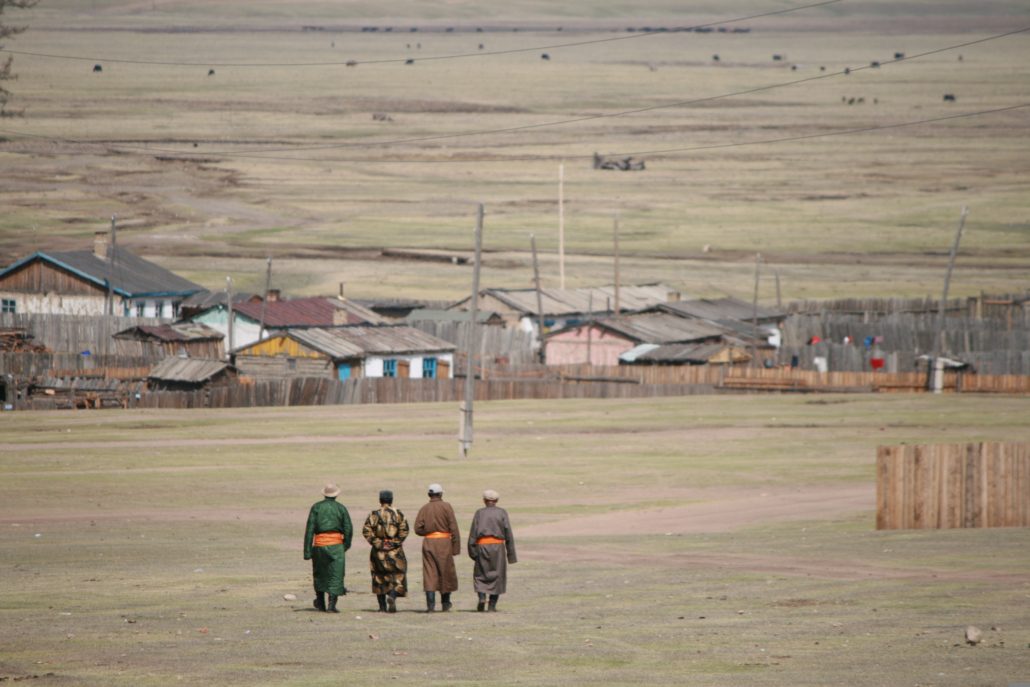 Even with its significant economic growth in recent decades, poverty remains a serious issue in Mongolia. According to the Asian Development Bank, 27.1% of the population—about 900,000 people—lived below the poverty line in 2022. The World Bank reports that while Mongolia’s economy grew by 6.9% in 2025, inflation also increased from 6.8% in 2024 to 8.6% in 2025. Higher food and energy costs have made everyday essentials more expensive, while global trade disruptions and the Third Gulf War could further slow economic growth.
The United States Agency for International Development’s (USAID) recent launch of the five-year Mongolia Strategic Framework in 2023 aims to facilitate the country’s economic growth. As stated in a GoGo Mongolia article, the framework’s primary goals are to improve how democracy functions in Mongolia, strengthen its independence and expand its economy—goals that directly address the root causes of poverty in the country. Here are three specific USAID programs in Mongolia operating under this framework:
1. BEST
One of the key USAID programs in Mongolia is called the Business Excellence for Sustainability and Transparency (BEST) Program. USAID created this program in 2019 to help the country’s smaller businesses grow. The BEST program received $15 million in USAID funding to teach business owners how to handle their money, market their products and fill out loan paperwork. USAID especially wanted to reach two groups: businesswomen and business owners living in Mongolia’s countryside.
By December 2024, a news release from the U.S. Embassy in Mongolia stated that 5,397 small businesses acquired loans totaling $100.4 million through the program. These loans helped create more than 4,000 jobs. Women-led businesses received more than half of all loan funding, benefiting 3,005 female entrepreneurs. Another $500,000 went to 176 rural businesses, helping them buy new equipment and hire more workers.
By helping small businesses access financing and expand operations, the BEST program creates income opportunities for Mongolians. Its focus on women-led enterprises and rural businesses is particularly important because these groups often face greater barriers to economic opportunity and financial services. The creation of more than 4,000 jobs demonstrates how the program can help impoverished families improve their financial stability.
2. MEG
Another of the USAID programs in Mongolia focuses on the country’s struggling energy sector. Mongolia relies heavily on old coal plants that cannot keep up with demand, forcing the government to buy power from Russia and China. Though the nation has plenty of sun and wind for clean energy, the coal industry has blocked progress. This has contributed to the rising air pollution in Mongolia’s capital, Ulaanbaatar. In 2022, USAID launched the Mongolia Energy Governance (MEG) activity in collaboration with Abt Global to fix these issues.
The program works with the government and energy companies to make the power sector more secure by encouraging private investment, developing contingency plans and adopting clean energy technology. So far, MEG has shown real results. The Abt Global 2024 report says 1,727 people have received direct help from the program, 40% being women. With MEG’s help, Mongolia strives to make all of its own electricity by 2030 and sell clean power to neighboring countries by 2040.
Reliable and affordable electricity is integral to poverty reduction. When power shortages occur, households and businesses face higher costs and fewer economic opportunities. By advocating for cleaner, more reliable energy sources, the MEG activity strengthens access to dependable electricity, minimizing disruptions to the economy and reducing pollution that disproportionately affects lower-income communities.
3. CRC
A third USAID program in Mongolia is the Climate Resilient Communities (CRC) project, which helped Mongolians prepare for climate-related disasters through improved disaster planning and climate-smart agriculture. Funded by USAID’s Bureau of Humanitarian Assistance, the project operated in Ulaanbaatar and the provinces of Dornod, Dundgobi, Dornogobi, Gobi-Altai and Uvs before ending early in March 2025 due to a U.S. government Stop Work Order.
Despite the early shutdown, the project directly benefited 65,666 people and supported 29 community-led disaster preparedness projects involving 4,217 participants, according to World Vision Mongolia. The project also helped herders grow their own animal feed through soil-free planting methods. Four herder groups received training and $201,576 in equipment, harvesting more than 40 tons of livestock feed that helped animals survive harsh winter conditions.
Climate disasters can push vulnerable families deeper into poverty by killing livestock and reducing agricultural production. Because many rural Mongolians depend on herding and farming for income, improving disaster preparedness can help protect households from economic setbacks. The CRC project preserved an important source of income and food for rural families, ensuring that they won’t be susceptible to poverty-causing weather conditions.
Why It Matters
These three programs demonstrate the benefit of a long-term effort like the Mongolia Strategic Framework. For Mongolia, a country facing challenges in jobs, energy and climate, this support makes a real difference. That is why USAID programs in Mongolia matter. They help the country build a more resilient future that can benefit the U.S., opening new markets for American products and maintaining a stronger standing for democracy in Asia. With continued funding, Mongolia can thrive.
– Melody Ruiz
Melody Ruiz is based in the Bronx, NY and focuses on Good News and Technology for The Borgen Project.
Photo: Pixabay
