Addressing SDG 3 in Zimbabwe
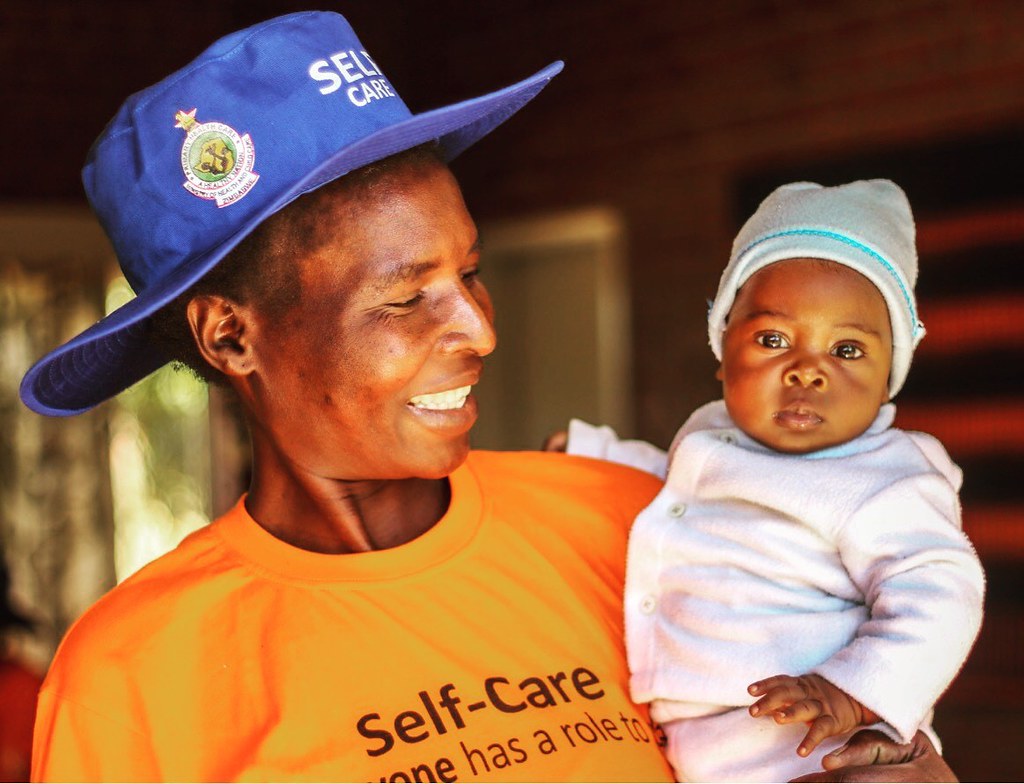 In 2015, the United Nations set an ambitious goal: by 2030, the nations of the world would meet 17 Sustainable Development Goals (SDGs) to achieve peace and prosperity around the globe. These goals delineated strategies to defeat all of humankind’s major injustices, including changing weather patterns, hunger, poverty, education, and of course, health—especially the health of children and infants. The goal with the most objectives under its umbrella is, by far, SDG 3, the quest for good health and well-being; however, four years out from 2030, the target for improvement still seems out of reach. To understand how the SDG has manifested since the UN set its deadline, one need look no further than the SDG 3 in Zimbabwe—and the nation’s incredible efforts to improve infant survival.
SDG 3 in Zimbabwe So Far
Developing countries are, as the name suggests, still developing in many ways—and the global north has let other priorities take the stage. Zimbabwe, a nation situated in Sub-Saharan Africa, provides a standout example of how SDG 3 has panned out. This crucial goal includes 14 areas for improvement—and in Zimbabwe, of those 14, only one has reached official SDG achievement. This standout objective is none other than infant mortality.
In a nation where maternal mortality, neonatal mortality (i.e. death within one month of delivery) and life expectancy at birth have all remained more or less stagnant since 2015, how has infant mortality, of all things, managed to make a comeback?
The Mystery of Survival
Since the functional end of the COVID-19 pandemic, infant mortality rates around the globe have been steadily dropping. In 2023, for example, UNICEF found that the total of infant deaths worldwide had halved compared with 2000. That’s quite a feat for places like Zimbabwe, where good health care is usually scarce and inaccessible. This begs the question: given the state of SDG 3 in Zimbabwe, how can infant mortality be the one thing to improve?
Zimbabwe’s health, and in fact the health of any nation, is dependent on a number of factors. In 2021, a team of researchers, having observed the declining rates of infant mortality in Zimbabwe, paired with the University of Zimbabwe and the African Population and Health Research Center (APHRC) to develop a special algorithm, all with the goal of discovering the most important factors in the health of infants and children.
The findings were rather interesting: after studying more than 16,000 mothers, these researchers determined that the make-or-break factors in an infant’s survival are, in order of importance:
- Breastfeeding within an hour of delivery (which, according to the data, only 17.6% of mothers in the study performed)
- The weight of the baby at birth
- Birth order (the more children a mother already had, the more likely newborns were to survive)
- Whether the mother had given birth to multiple children at a time (the baby was more likely to survive if she had not)
A keen reader might notice that all of these factors tie back to the mother—and the researchers noticed it, too. Concerning the second most important factor, a quote from the study on the National Library of Medicine reads, “Birth weight is a function of overall pre-conception maternal nutrition and health status, and care given during pregnancy.” This same care is the reason why many of the mothers were unable to breastfeed at birth; a mother who is malnourished, especially after hours of labor, often struggles to produce enough milk for her child. If the current state of SDG 3 is anything to go by, one can assume many mothers in Zimbabwe struggle with proper nutrition. The Global Nutrition Report states that 30% of women between ages 15-49 are affected by anemia, and only 50% are able to exclusively breastfeed.
Improvements for Women
So if health care remains scarce in Zimbabwe, and mothers remain malnourished, why have rates of infant mortality been improving? There are two important changes that contribute, and the first answer may lie in another facet of SDG 5, which aims to promote gender equality.
As it happens, conditions for women are actually improving in Zimbabwe right now. According to the official Sustainable Development Report, rates of women in the workforce have not only increased, but actually surpassed the bar for success. Changes like these impact other factors that the researchers identified as important—and sometimes, even the top four. For example, teenage or elderly mothers are more likely to lose their children than mothers in their 20s or early 30s.
If a couple has done sufficient family planning before their first pregnancy, then the target age for the mother is more likely to be met. Family planning also ensures proper recuperation between children, meaning a factor like birth order—which entails how a woman’s body might be strained by back-to-back pregnancies, but also how future pregnancies might benefit from past ones—is already accounted for. More women in the workforce also means the rise of two-income households, increasing the wealth index of families with children. A mother who can afford to eat will deliver a baby with more weight, and can even breastfeed it after delivery.
Vaccinations
There is one final change crushing infant mortality in Zimbabwe. The mother’s health is one of the most important things to look after when a newborn is in the womb; after birth, however, the number one way to improve a baby’s chance at survival is vaccination against disease. One may notice that the rates began to truly improve right after the end of COVID-19—a time when vaccinations were at an all-time high. Infant mortality between 2020 and 2022 increased by a rate of more than 1,000 deaths per year, and perhaps this rise moved Zimbabwe to action.
The SDGs have a defined goal for the number of vaccinations a newborn should have—two, at the least—and Zimbabwe has been gradually increasing vaccination rates, especially for measles, tuberculosis, bacterial infections and cholera. In October of 2025, for example, the government of Zimbabwe held a nationwide vaccination campaign that resulted in “1,730,354 children vaccinated out of a target of 1,769,881,” per the World Health Organization (WHO).
Just a year earlier, in 2024, the government ran a similar vaccination campaign to address cholera. Vaccination rates overall have improved by 60% or more since the 1980s, depending on the specific vaccine. Best of all, these vaccinations aren’t just for kids: their parents have been getting doses, too. The health of a family doesn’t just rely on the children—everyone in the household needs to be cared for.
Looking Ahead
If the 17 Sustainable Development Goals, including SDG 3, are the standard for prosperity, Zimbabwe still has a long way to go. Yet, the infant mortality rate offers a golden example of how these goals intersect. If nations prioritize education, equality and prosperity for their people, then it won’t be long until their populations are a lot healthier and a whole lot happier.
– Madison Hoar
Madison is based in Birmingham, AL, USA and focuses on Global Health for The Borgen Project.
Photo: Flickr
