Caribbean Health Systems: Lab Training and AMR in Barbados
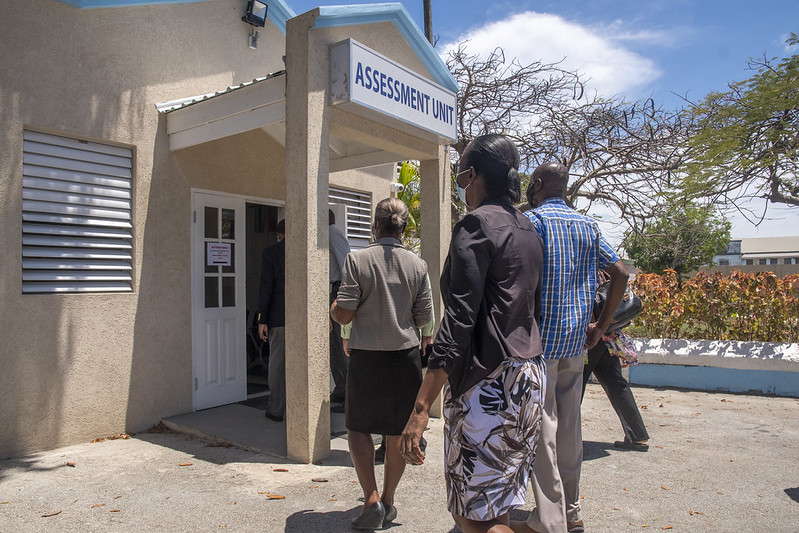 In Barbados, laboratory professionals are helping lead one of the Caribbean’s most important public health efforts: strengthening the fight against antimicrobial resistance (AMR). Through regional training workshops focused on advanced diagnostic technologies, laboratory information systems and shared surveillance strategies, Barbados is emerging as a key hub for Caribbean cooperation against drug-resistant infections. As AMR continues to threaten health systems worldwide, Barbados offers a model for how regional investment in public health infrastructure can improve long-term development outcomes.
Why AMR Matters
AMR happens when bacteria and other microorganisms evolve, making antibiotics and other medicines less effective. The result is infections that are harder to treat, longer hospital stays and a higher risk of severe illness or death. For smaller island nations, the challenge extends beyond medicine into development itself.
Limited diagnostic infrastructure can delay treatment decisions, raise health care costs and place greater strain on already stretched public health systems. For Caribbean countries with limited standard laboratories and uneven access to advanced testing equipment, these delays can weaken infection control efforts and reduce the quality of data needed for policy decisions. This is especially significant in lower-resource settings, where preventable illness can deepen poverty by increasing medical expenses and reducing workforce productivity.
How Barbados Is Strengthening Regional Laboratory Capacity
At the center of this effort is the Best-dos-Santos Public Health Laboratory in Bridgetown, where regional training sessions have brought together laboratory professionals from across the Caribbean. Recent workshops organized by the Pan American Health Organization (PAHO) focused on Laboratory Information Management Systems (LIMS), AMR characterization and new diagnostic technologies, including Matrix-Assisted Laser Desorption/Ionization Time-of-Flight (MALDI-TOF) mass spectrometry and infrared spectrometry. These tools allow laboratories to move more quickly from identifying pathogens to determining which antibiotics will work.
Just as importantly, digital systems such as WHONET and SEDRI-LIMS help countries standardize data collection and share reliable surveillance information across borders. This regional interoperability strengthens the Caribbean’s ability to track resistant infections and coordinate public health responses more efficiently. Barbados’ growing leadership in this space reflects years of capacity-building support through PAHO and the U.K. Fleming Fund.
According to PAHO, the Best-dos-Santos laboratory has improved microbiology workflows, reporting systems and regional coordination. This positions the country as an emerging reference center for AMR surveillance in the Eastern Caribbean.
The Link Between Stronger Labs and Global Development
Stronger laboratories do more than improve diagnostics. Faster, more accurate testing reduces unnecessary antibiotic use, supports better patient recovery and lowers the long-term costs associated with resistant infections. In practical terms, this means fewer preventable deaths, shorter disruptions to employment and less financial pressure on households already vulnerable to health-related poverty.
For the Caribbean, this also represents a broader investment in resilience. Over the past year, PAHO-supported initiatives delivered 34 critical pieces of laboratory equipment to 14 laboratories in nine Caribbean countries, helping expand the region’s diagnostic capacity and data quality. These improvements strengthen not only clinical care but also national action plans and regional health security.
A Model for Regional Public Health Cooperation
Barbados’ leadership points to a larger shift toward regional self-sufficiency in health infrastructure. As AMR grows into one of the century’s most serious public health threats, Barbados is showing how regional cooperation can turn limited resources into collective strength. By sharing technology, expertise and surveillance systems, Caribbean countries are building a collective response to a problem that no single nation can solve alone.
Investments in laboratory systems today are helping the region build healthier, more resilient futures tomorrow.
– Angela “Phoenix” Garrett
Angela is based in Chicago, IL, USA and focuses on Good News and Global Health for The Borgen Project.
Photo: Flickr
