International Development Projects in Québec
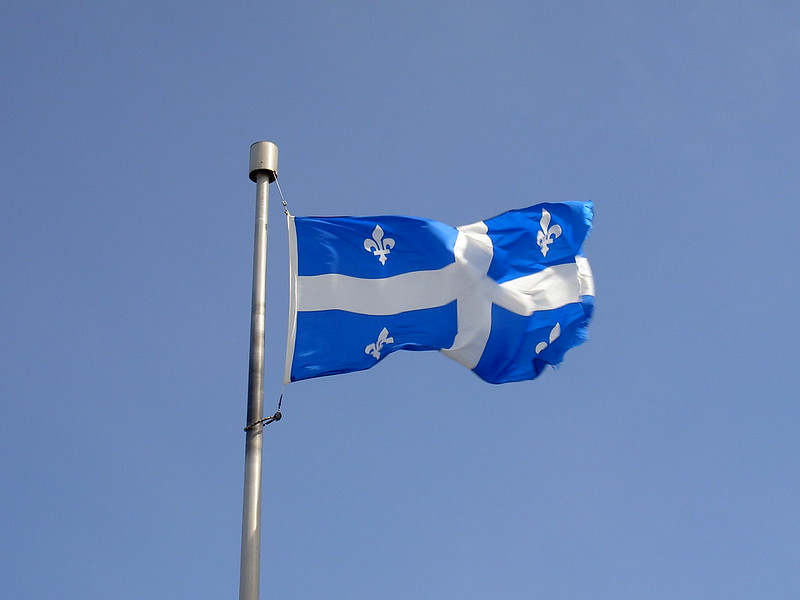 Québec is a French-speaking province of Canada with strong ties to the international Francophone community. In light of heavy budget cuts to international aid at the Canadian federal level, Québec has demonstrated the impact of subnational action and independently financed projects in international development.
Overseas Aid Budget Cuts
In late 2025, the Canadian federal government announced its annual budget. Over four financial years, the government pledged to reduce the international aid budget by $2.7 billion.
This cut followed a climate set by other G7 members, several of whom had already begun reducing overseas aid provisions. Before Canadian cuts had been announced, the gross G7 Overseas Development Assistance (ODA) budget was already projected to decrease by 28% on 2024 levels by 2026.
Canada had already fallen short of United Nations international aid budget targets, with ODA accounting for just 0.32% of Gross National Income (GNI). The U.N. had set the target at 0.7% of GNI.
The Québec Approach to International Assistance
While the ODA budget is overseen by the Canadian federal government, Québec has taken its own route when it comes to civil society action and international partnerships.
The international solidarity principle is a cornerstone of Québec’s ideological approach to development and represents Québécois singularity with respect to the overarching Canadian aid policy. Given its position in the global Francophony, a unique characteristic within Canada, Québec prioritizes its partnership with Francophone Africa. The province also highlights the U.N. Sustainable Development Goals (SDGs) as central to its mission.
The growth of civil society movements aimed at providing international assistance led to the formation of a bloc organization, the Québec Association of International Cooperation Organizations (AQOCI). The association comprises more than 70 organizations located all over Québec and acts as a network to enable strategic cooperation and increase the combined influence of the member organizations.
Below are four examples of organizations and projects for international development spearheaded by Québec.
Québec Sans Frontières
Québec Sans Frontières (QSF), founded in 1995, is an organization that aims to mobilize the international solidarity concept by enabling young volunteers to support local initiatives in target areas, notably Francophone Africa, Latin America and the West Indies. As well as providing support to disadvantaged communities, QSF supervises internships for volunteers, allowing them to gain experience in the humanitarian sector.
Volunteers help underprivileged local communities to strengthen their existing capacities to respond to issues that may arise. The organization prioritizes environmental preservation and women’s rights.
Ingénieurs Sans Frontières Québec
Ingénieurs Sans Frontières Québec (ISFQ) is a Québec-based nonprofit organization whose aim is to harness Québécois expertise and innovation to deliver sustainably engineered infrastructure in underdeveloped communities.
The organization has delivered more than 55 infrastructure projects, including the construction of classrooms in Senegal and a college in Togo.
It is also upheld by the international solidarity principle and aims to amplify mutual learning between the engineers and the communities they serve.
Oxfam-Québec
Founded in 1973, Oxfam-Québec is the Québec branch of the international nonprofit Oxfam, working against the inequality it identifies as the root of poverty and discrimination.
Oxfam-Québec has directed several campaigns upholding women’s rights in nine countries across the world, supporting more than 450,000 women.
It has also supported a further 30,000 women in Bolivia in its campaign against gender-based violence.
International Climate Cooperation Program
Aside from local initiatives and international nonprofits, the Québécois government has also pioneered work in international development at the provincial level. The program, launched in 2016, is unique in that it is one of the first climate ventures taken at the subnational level.
The program has a budget of $34.5 million and supports projects in Francophone Africa and the West Indies aimed at reducing the effects of climate change.
The mission is underpinned by the recognition that climate change compounds poverty and reduces basic security, and draws upon the logic of a new kind of international climate diplomacy that Québec says requires subnational cooperation.
Looking Ahead
Despite a trend toward the reduction of overseas aid budgets in Canada and the wider G7, Québec has demonstrated the role of subnational leadership and the importance of an internationally minded civil society. Indeed, the province offers a model for non-state communities pursuing independent courses of action in international development.
– Phoebe Lang-Clapp
Phoebe is based in Montréal, Québec, Canada and focuses on Global Health and Politics for The Borgen Project.
Photo: Flickr
