Improvement in the Treatment of TB in Kenya
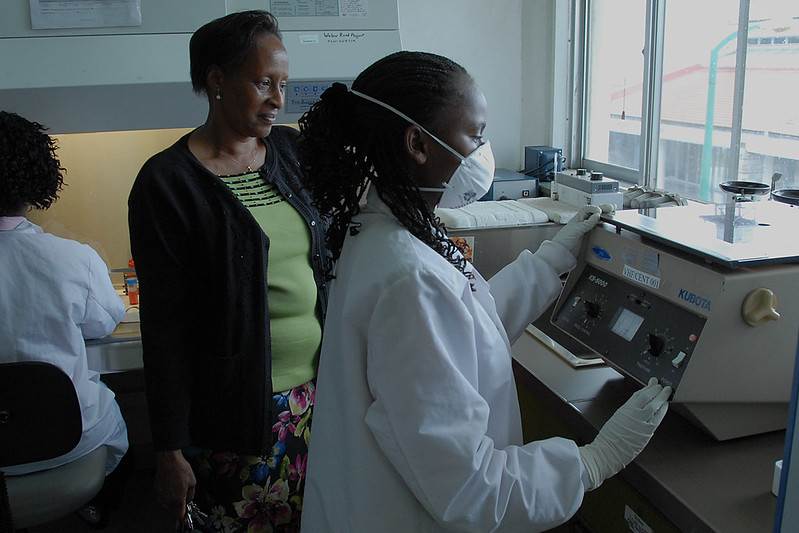 Tuberculosis (TB) is a condition that mostly affects a person’s lungs but can also spread to other parts of the body. TB is caused by the bacterium Mycobacterium tuberculosis, which circulates through the air and spreads when inhaled. TB has been a persistent public health challenge in Kenya. According to the National Library of Medicine, TB is the fifth leading cause of death in the country. However, there has been a noticeable improvement in treating TB in Kenya. The director of the African region of the World Health Organization (WHO), Dr. Diallo Abdourahmane, stated that Kenya reduced TB cases by 41% and TB-related deaths by 60%. This progress is attributed to treatments such as preventive therapy, the BPaL regimen and digital adherence technologies.
Tuberculosis Preventive Treatment
One treatment used today is tuberculosis preventive treatment (TPT). Its goal is to prevent certain individuals from developing active TB by administering anti-tuberculosis medicine. The treatment destroys bacteria that have infected the body before they can harm organs or spread the illness. TPT specifically targets people living with human immunodeficiency virus (HIV). HIV weakens the body’s ability to fight infections, making individuals more vulnerable to TB. It is recommended for HIV patients to undergo this treatment to reduce the chance of developing TB. The preferred course consists of three months (3HP), during which the antibiotics isoniazid and rifapentine are taken once a week. However, this prescription may interact with other medicines, so each patient’s case should be considered individually.
BPaL Regimen
The BPaL regimen is a treatment course lasting six months. The WHO has recommended it as an alternative to lengthier treatments. The regimen combines four antibiotic medications: bedaquiline, pretomanid, linezolid and moxifloxacin. It targets drug-resistant TB, a form of the disease that does not respond to some standard medications. This treatment is primarily for adult patients and teenagers older than 14. Studies have shown a success rate of 89%, making it more effective than previous regimens.
Digital Adherence Technology
TB treatment outcomes have also improved with digital adherence technology (DAT). DAT refers to digital tools that use technological devices to record a patient’s daily medication information. Examples include smart pill boxes and medication sleeves. Researchers believe DAT motivates individuals with TB to take their daily medication consistently.
A 2026 study evaluated whether certain digital interventions improved TB treatment outcomes. The study found that digital platforms such as Keheala reduced the percentage of failed TB treatments, supporting the use of digital tools in TB care. DAT offers several benefits. Patients can choose the most suitable time to take their medication, fitting it into their routine. Patients can receive SMS reminders. Health care providers can access their patients’ information, allowing them to monitor consistency and identify patients who need additional support.
Looking Ahead
Although TB remains a serious issue in Kenya, the treatments discussed have demonstrated their effectiveness. Kenya has earned recognition from the WHO for its progress. The country has set further goals to reduce TB death rates by 90% and TB cases by 80% by 2030. Efforts in Kenya to reduce the impact of TB continue to show measurable results.
– Lara Ibrahim
Lara is based in Créteil, France and focuses on Technology and Global Health for The Borgen Project.
Photo: Flickr
