DRAP cracks down on the fake drug crisis in Pakistan
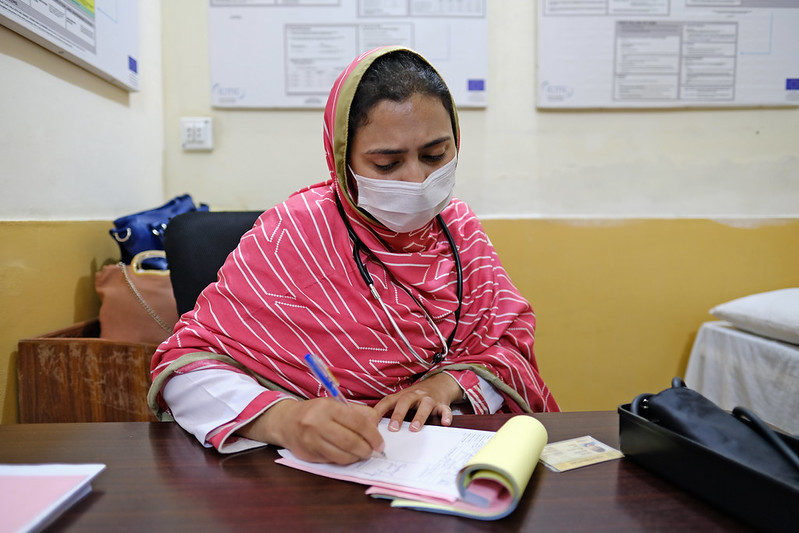 Recently, the Drug Regulatory Authority of Pakistan (DRAP) intensified its nationwide efforts toward combating the illegal sale, manufacturing and distribution of contaminated and falsified medicines in the country. DRAP implemented increased surveillance, intelligence-led enforcement and stricter regulations to combat, in other words, the fake drug crisis in Pakistan.
Background
The Ministry of National Health Services reports that 85% of medicines in Pakistan are either counterfeit or substandard. According to DRAP, 50% of the medication samples tested were fake — including life-saving treatments for cancer, cardiovascular diseases, mental illnesses and infections.
The issue of counterfeit medicines has been harming the health of Pakistanis for decades. Contaminated drugs often include arbitrary dosages of certain ingredients and deadly additives that can cause fatal effects, such as respiratory paralysis or death. A victim of fake medicine would need additional treatment to cure the damage from these drugs, which takes a toll on both the individual already suffering from an illness and the Pakistani health care system. Even if a fake drug has no effect at all, it is still dangerous, as a patient could unknowingly be left untreated for a serious disease.
Fake Drugs Affect the Poor the Most
The fake drug crisis in Pakistan disproportionately affects the poor, who cannot afford branded medicines or, in some cases, receive certain drugs from pharmacies for free. In 2012, a public cardiology pharmacy in Lahore distributed a contaminated drug to the poor. As a result, 125 people died due to fatal bone-marrow suppression.
Counterfeit drugs are also most often found in rural areas, where drug regulation is less strict. For these reasons, people living in poverty often have to resort to cheaper, falsified drugs, according to Wolters Kluwer Health.
To combat this, Muhammad Omar Larik recommended that the Pakistani government establish pharmaceutical support programs for the poor, as mentioned in his study published in the Journal of the Pakistan Medical Association.
Raids, Seizures and Closures
In recent crackdown efforts on the fake drug crisis in Pakistan, DRAP raided several pharmacies and local medicine shops. If lab testing revealed that the store sold falsified drugs, DRAP would shut it down.
DRAP sealed multiple establishments across the country, including the Al-Waali Care Concepts medical supplies store in Lahore. There were more drug regulation violations behind each closure, such as operating without a valid drug license and unlawfully storing medical devices. When officials raided Al-Waali Care Concepts, they brought legal action against the owner and started a formal investigation into the store.
In a surprise raid, a federal drug inspector shut down a pharmaceutical factory in Nooriabad for its illegal production of unregistered high-dose tramadol tablets. The production of this opioid is illegal nationwide due to smuggling concerns, public safety risks and especially its abuse abroad. DRAP suspects the factory produced the tablets with the intention of shipping them to foreign drug markets.
DRAP lab-tested several pharmaceutical products and consequently banned three newly-found counterfeit medicines: batch 251986 of Duphalac syrup, batch 091 of Taskeen Dard tablets and batch 01 of Pain-Nil tablets. The authority seized the identified batches of the medicines, removed them from the markets and tracked down the suppliers.
In Karachi, officials seized a large quantity of medicine that was sold across the city. In Lahore, DRAP caught individuals selling Urografin, an iodine-containing injection, and a dealer selling unregistered infertility medication, Lipiodol Ultra Liquid, beside a hospital, Dawn reported.
Provincial drug control officials also confiscated several batches of medicines meant to treat allergies, anxiety disorders, kidneys, fevers, body pain, bacterial infections and ulcers. Lab testing revealed that these medications were fake and completely ineffective. According to DRAP, these drugs were illegally produced and falsely labelled under well-known pharmaceutical brands.
Identifying Fake Drugs
A significant lack of public awareness also feeds into the fake drug crisis in Pakistan, as the public is not aware of the severity of the issue and unsure how to differentiate counterfeit medicines from real, safe medication.
As one solution, Dvago, a reputable pharmacy and medical store in Pakistan, outlined several warning signs to look for when identifying counterfeit drugs. These include packaging irregularities, missing or fake security seals, inconsistencies in the medicine’s appearance, an incorrect batch number or expiry date, extremely low prices and a lack of a proper leaflet or labels.
When purchasing medication, the store urges the public to only buy from licensed pharmacies, consult a pharmacist beforehand, verify the drug manufacturer, use track and trace systems with unique codes and most importantly, report suspicious medicines.
Increasing the Quality of Health and Life in Pakistan
Overall, the DRAP crackdown on illegal pharmaceutical drugs is a significant step toward increasing the quality of health and life for Pakistanis, especially for those living in poverty. Unfortunately, the fake drug crisis in Pakistan persists due to inadequate legislation, ineffective law enforcement and drug regulators’ failure to effectively interpret and implement the law.
Nevertheless, with consistent drug surveillance, more pharmacists, stronger law enforcement, trained drug regulators and a solid infrastructure for drug control, Pakistan can achieve its goals.
– Umaymah Suhail
Umaymah is based in Karachi, Pakistan and focuses on Good News and Global Health for The Borgen Project.
Photo: Flickr
