Clean Water Access in Sub Saharan Africa Expands
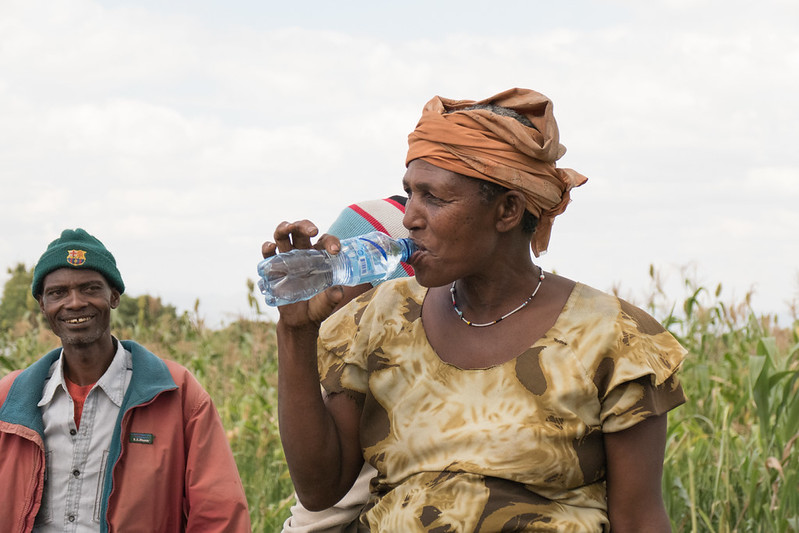 Access to clean drinking water is one of the most important factors in improving global health and reducing poverty. Across the region, clean water access in Sub-Saharan Africa has become a major focus for governments, nonprofits and international organizations working to improve living conditions. While millions of people still lack reliable water sources, new programs and technologies are helping expand access and create long-term solutions.
Water Access Challenges in Sub-Saharan Africa
According to the World Health Organization (WHO) and UNICEF, more than 400 million people in Sub-Saharan Africa lack access to safely managed drinking water services. Many families must travel long distances each day to collect water from rivers, ponds or unsafe wells. This often affects women and children the most, as they are typically responsible for collecting water. In many communities, children miss school because they must spend hours each day helping their families gather water. Unsafe water also contributes to diseases such as cholera, diarrhea and typhoid, which remain major health risks across the region.
The economic impacts of limited water access are also significant. When families spend hours collecting water, they have less time for work, education or other opportunities that could help them escape poverty. In rural communities, a lack of clean water can also reduce agricultural productivity and limit food security. Improving water systems can therefore strengthen both health and economic stability.
Organizations Expanding Water Access
Several organizations are working to expand clean water access in Sub-Saharan Africa through sustainable projects and innovative technologies. One of the most well-known organizations is Water.org, a nonprofit that helps communities finance water and sanitation solutions. Through its WaterCredit initiative, the organization has helped more than 68 million people gain access to safe water or sanitation by providing small, affordable loans for household water systems.
Another organization making progress is charity: water, which funds community water projects in developing countries. Since its founding, the organization has supported more than 111,000 water projects in 29 countries, helping bring clean water to millions of people. These projects include drilling wells, installing filtration systems and building rainwater collection systems designed to provide safe drinking water for years.
Technology Supporting Water Solutions
Technology is also playing an increasing role in addressing water challenges. Solar-powered water pumps and advanced filtration systems allow communities to access safe water without relying on expensive fuel or electricity. In some areas, digital monitoring tools track performance and help ensure systems continue operating efficiently.
Experts working in water development emphasize that long-term success requires community involvement. Local training programs help residents maintain water infrastructure and manage resources responsibly. When communities participate in the planning and management of water systems, projects are more likely to remain sustainable over time.
The Bigger Picture
Although challenges remain, progress in clean water access in Sub-Saharan Africa demonstrates how collaboration between governments, nonprofits and communities can create meaningful change. Expanding access to safe water improves health, supports education and strengthens economic opportunity. Continued investment in water infrastructure and technology will be essential to ensure that more communities across the region gain reliable access to one of life’s most basic necessities.
– Nishanth Pothapragada
Nishanth is based in London, Ontario, Canada and focuses on Good News and Technology for The Borgen Project.
Photo: Flickr
