Poverty in the Sahel Region: Rural Neglect Versus Urban Bias
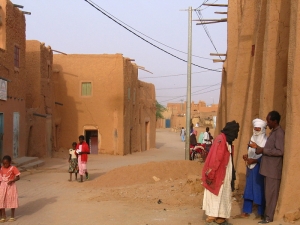 The WHO has described the north-central band of Africa below the Sahara Desert, known as the Sahel region, as a humanitarian crisis due to factors including poverty, instability and armed conflict. Poverty in the Sahel region is not only shaped by these circumstances. It is also influenced by a persistent policy pattern known as urban bias, in which cities receive disproportionate investment while rural areas are systematically overlooked.
Because poverty is more visible and politically concentrated in cities, government spending, humanitarian aid and infrastructure projects tend to prioritize urban areas. As a result, rural regions like the Sahel receive fewer health facilities, weaker transportation networks and less reliable energy access, despite facing equal or greater levels of need.
Malnutrition and Disease Outbreaks in the Sahel
Nigeria, a Sahel country, has one of the highest percentages of residents living in extreme poverty. Additionally, its arid climate makes it more likely to experience drought. This reality makes the area vulnerable to food shortages.
In context, close to one million children in the Sahel region under the age of 5 experience extreme malnutrition. The average lifespan in the Sahel region is about 20 years shorter than that of someone from Switzerland. Aside from malnutrition, the Sahel region is also particularly vulnerable to disease outbreaks and epidemics.
For instance, there were more than 110,000 recorded cases of cholera in the area in 2021, compared to two in the U.S. that same year. These nutrition and health outcomes are not solely the result of climate or geography. Urban bias limits rural access to clean water systems, preventative health care and rapid disease surveillance, allowing otherwise preventable health crises to escalate in the Sahel.
Logistics
Logistical challenges in the Sahel, such as transporting food, medical supplies, staff and other resources, are often treated as natural obstacles but usually stem from decades of urban-biased investment decisions. Limited road networks, underdeveloped supply chains and weak rural transport systems are the result of prioritizing cities over rural connectivity. For solutions to reduce poverty in the Sahel region, there must be measures that enable transportation across this vast, arid area.
The Sahel Adaptive Social Protective Program
The Sahel Adaptive Social Protection Program (SASPP) is a multi-donor trust fund established by the World Bank in 2014. It was created in response to several issues facing the Sahel region. It works with institutions and groups to strengthen social programs in the region.
The program provides technical assistance, capacity building and financial support for pilot interventions in six Sahelian countries. Since its inception, the project has allocated more than $270 million to investment projects, strengthening Adaptive Social Protection (ASP) systems in the region. ASP systems are social programs that help build the resilience of impoverished households.
They do this by investing in their capacity to anticipate, respond to and recover from crises like climate shocks or economic downturns, ensuring they do not fall deeper into poverty.
Closing Remarks
If access to low to no-cost transportation expands, those living in the Sahel would be able to use these resources much more freely. By expanding technology access, the possibilities could be endless. Current technology is developing in such a way that it could help all of the factors determining extreme poverty in the not-too-distant future.
Redirecting resources to rural infrastructure and services offers one of the most realistic paths to reducing extreme poverty in the region.
– Nicole Miller
Nicole is based in Pittsburgh, PA, USA and focuses on Global Health and Politics for The Borgen Project.
Photo: Flickr
