The Link Between Disability and Poverty in Palau
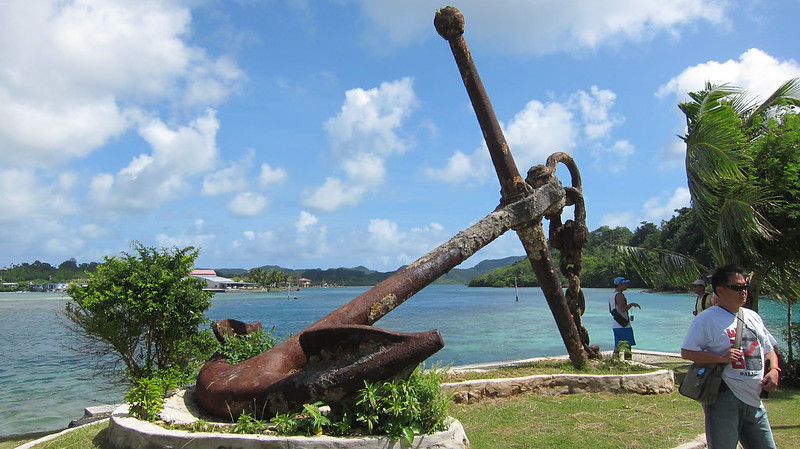 The Pacific island nation of Palau is made up of more than 300 islands and coral reefs located in the Micronesia region. While often associated with tourism and natural beauty, Palau has faced growing socioeconomic challenges in recent years. The COVID-19 pandemic caused a sharp decline in international visitors, exposing the country’s heavy reliance on tourism, which contributes approximately 40% of its economy. Although Palau is classified as an upper-middle-income country, economic hardship persists for many households, particularly those caring for family members with disabilities. These pressures show how disability and poverty in Palau intersect within the country’s broader development challenges.
How Disability and Poverty Reinforce One Another
People with disabilities face a heightened risk of poverty globally and Palau is no exception. Disabilities can limit access to education and employment, reducing income and long-term economic stability. At the same time, poverty can increase the likelihood of disability due to limited access to health care, rehabilitation and support services. This creates a cycle in which disability and poverty reinforce one another. In Palau, where employment opportunities are limited and the cost of imported goods remains high, people with disabilities often struggle to achieve economic independence, reinforcing disability and poverty in Palau as an interconnected development issue. Households with disabled members often face higher opportunity costs, as family members may reduce paid work to provide informal care.
Limited Support and Unequal Access to Education
According to government and regional data, approximately 2% to 3% of Palau’s population lives with a disability, though advocates suggest the true figure may be higher due to underreporting. Individuals with disabilities are statistically less likely to complete higher levels of education and more likely to depend on informal family care. While Palau provides a disability assistance stipend, reports indicate that this support is insufficient to meet the country’s high cost of living. Rising inflation has further reduced the real value of this assistance, leaving many households with disabled family members economically vulnerable.
Villaney Remengesau
One person whose life reflects both the challenges and possibilities facing people with disabilities in Palau is Villaney Remengesau, a prominent disability rights advocate. Remengesau has lived with a physical disability since childhood and uses a wheelchair daily. Her experiences exposed widespread barriers in Palau’s education system, labor market and public infrastructure. She has described how inaccessible buildings, transportation systems and limited employment opportunities restricted her ability to achieve financial independence, demonstrating how exclusion can directly contribute to poverty in Palau.
Rather than accepting these limitations, Remengesau transformed her lived experience into advocacy. She helped revive Omekesang, a national organization advocating for the rights of persons with disabilities, and worked closely with government agencies to promote accessibility and equal participation. Her work highlights how structural and societal barriers, rather than disability itself, often push individuals into poverty by restricting access to education, jobs and public services.
Policy Progress and Remaining Gaps
In recent years, Palau has taken steps to address disability-related inequality. The government enacted the Rights of Persons with Disabilities Act, strengthening legal protections and promoting inclusion across sectors. Palau has also engaged with the United Nations Convention on the Rights of Persons with Disabilities, signaling a shift toward a rights-based approach. However, international reviews note that gaps remain, particularly in transportation access, employment opportunities and emergency preparedness for people with disabilities.
Why Disability Inclusion Matters for Global Poverty Reduction
Remengesau’s story demonstrates why addressing disability is essential to reducing poverty in Palau. While legal reforms mark important progress, advocates emphasize that lasting change requires sustained investment in accessible infrastructure, inclusive education and economic opportunity. For small island nations like Palau, breaking the cycle between disability and poverty is not only a matter of social justice but also a necessary step toward sustainable development. Addressing disability inclusion at the national level ultimately contributes to broader global efforts to reduce poverty and inequality.
– Daisy Winstone
Daisy is based in Cardiff, Wales and focuses on Politics for The Borgen Project.
Photo: Flickr
